“We’re still processing it”: Relief and cautious optimism in Szeged after Hungary’s election
Residents, students, and business owners share their expectations one week after a historic political shift
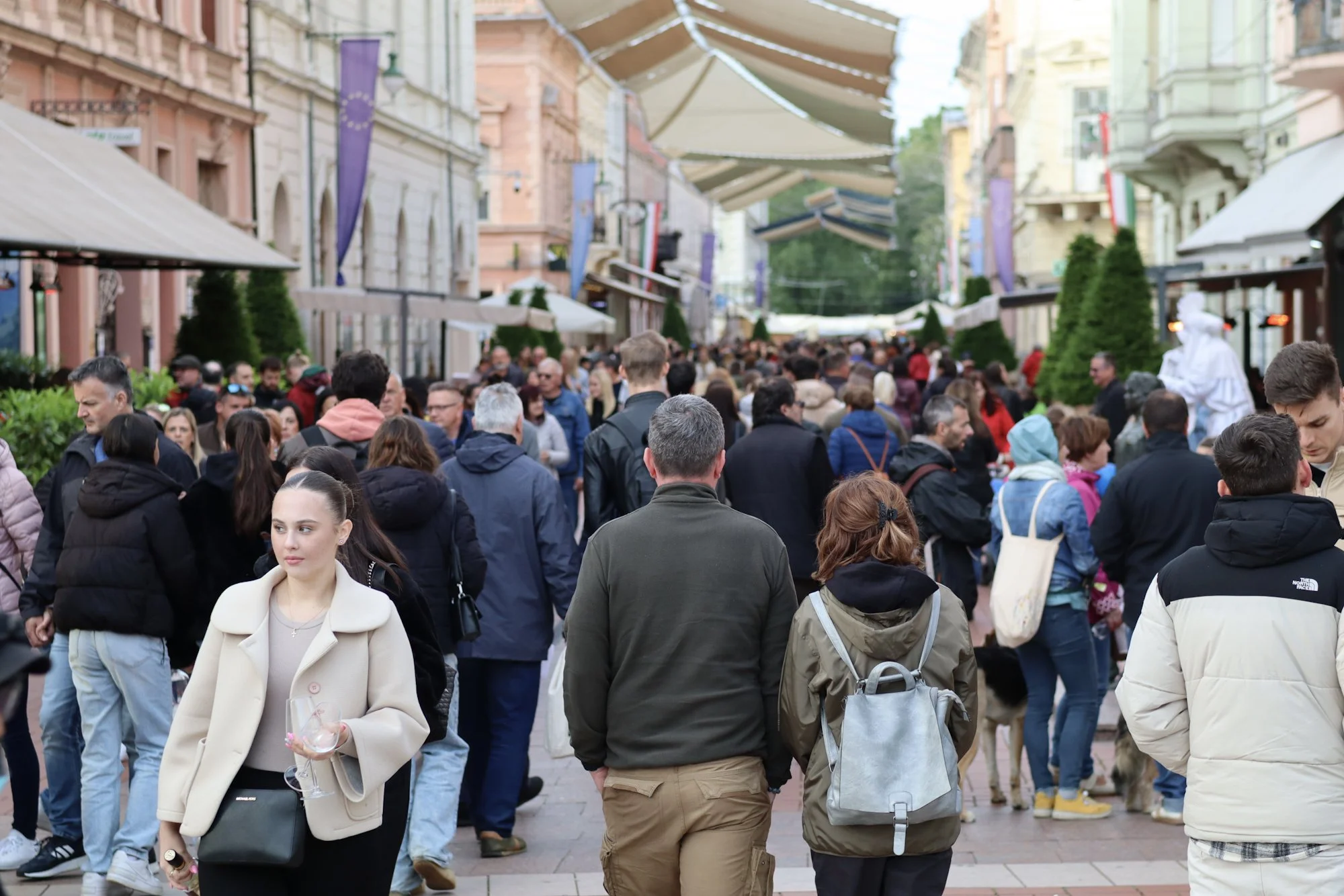
Downtown Szeged during one of the city’s major festivals. Photo for illustration. Szegedify / Szilvia Molnar
More than a week after Hungary’s election brought an end to Viktor Orbán’s 16-year rule, the atmosphere in Szeged has been marked by a mix of relief, visible joy, and cautious reflection.
In the days following the vote, signs of celebration appeared across the city. Some cafés and small businesses marked the moment with small gestures, while conversations in public spaces and workplaces reflected a shared sense that a turning point had been reached. At the same time, many residents said they were still processing the outcome of election night and what it might mean for the future.
As the initial euphoria settles, expectations are beginning to take shape – ranging from economic stability to institutional reform and a more predictable environment for everyday life.
“For me, this political change represents a chance for a more livable, more accepting country where we can raise our child,” said Évi Redenczki-Vincze, an interior designer and founder of Revart Design in Szeged. “I expect greater predictability and transparency from the new government, and that neglected areas will finally receive real attention, including social issues such as abortion legislation, even if these changes may take time. They have been given trust, but real change does not happen overnight.”
Younger residents also emphasized the importance of long-term stability.
“As a young person living in Hungary, I hope this change will allow me to build my future in a more predictable and fair environment,” said a University of Szeged student, who requested anonymity. “It is important that the new leadership gains access to EU funds and addresses urgent issues such as the strain on the healthcare system. A more transparent, performance-based economy and lower inflation would also be key to restoring trust that it is worth staying in the country.”
For small business owners, the economic outlook remains a central concern.
“As a small business owner, I hope the new government will place greater emphasis on supporting local producers and businesses, including reducing and rationalizing tax burdens,” said Gáspár, co-owner of Daily Dose Café in Szeged. “The next few years are likely to be difficult, as both businesses and customers will feel the impact of addressing the budget deficit. In the long term, however, I expect positive changes, with more companies close to the government facing difficulties, allowing others to grow under fair market conditions and strengthening overall financial stability.”
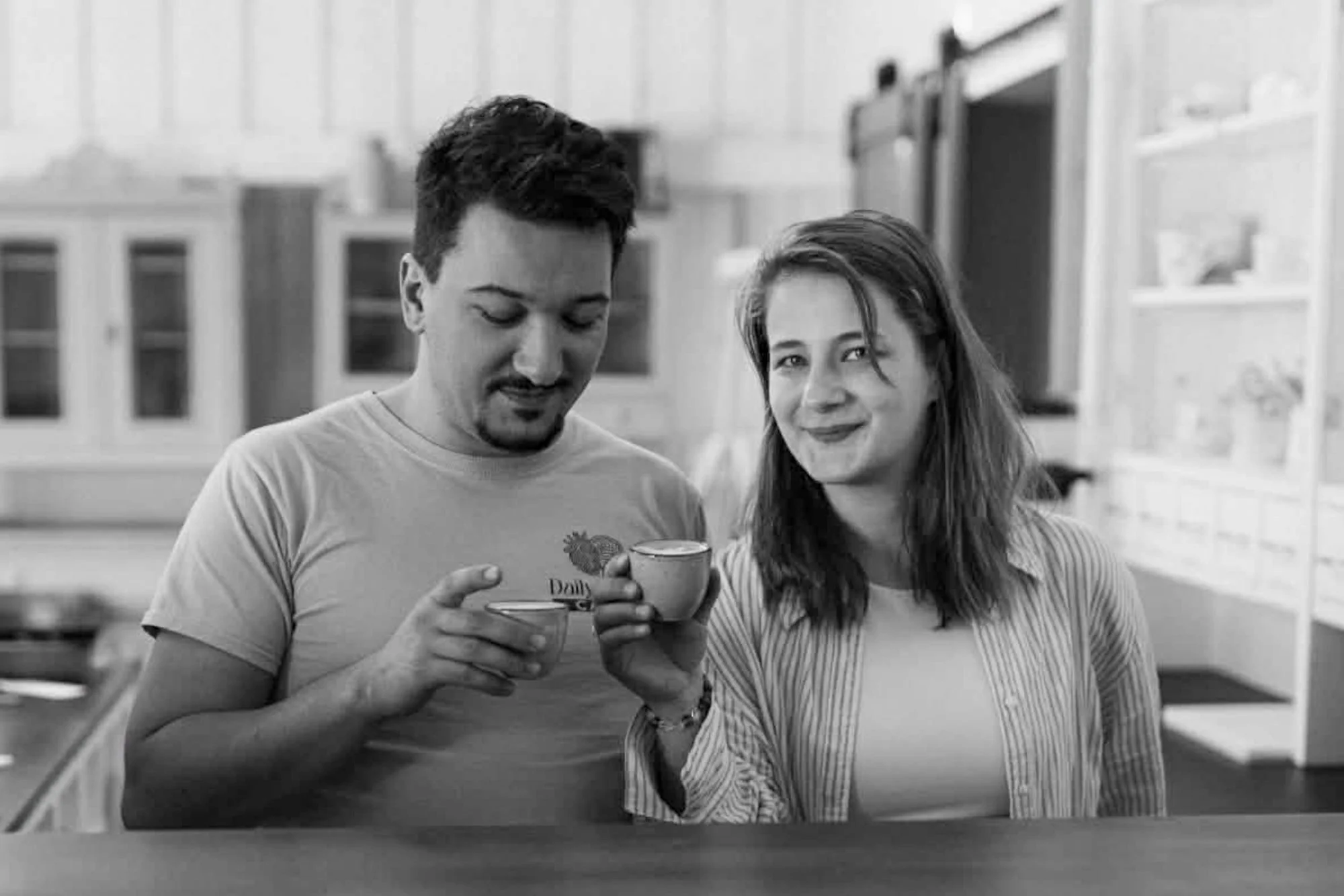
Daily Dose Café co-owners Gáspár and Anna. Photo credit: Barnabás Bóna
His wife and co-owner, Anna, pointed to broader social expectations rather than immediate policy changes.
“I don’t have specific expectations from the new government that would directly benefit us as small business owners, as the specialty coffee sector is largely shaped by global market trends,” she said. “I hope the new system lives up to the trust placed in it and brings a sense of calm, openness, and optimism to people’s lives. A more positive atmosphere would also strengthen communities like ours, where people come together to share everyday moments.”
Beyond economic and personal expectations, some highlighted the importance of rebuilding trust and public discourse.
“What stood out to me in Péter Magyar’s victory speech was his call to unite the country and bridge divisions,” said Dániel Szűcs, editor-in-chief of Szegeder, a Szeged-based independent outlet. “Rebuilding national unity is just as important as restoring democratic institutions, including press freedom – something that can begin at a personal level, even in conversations within families. Ultimately, I hope for a country where people are rewarded for performance and where journalists are not judged simply for their profession.”
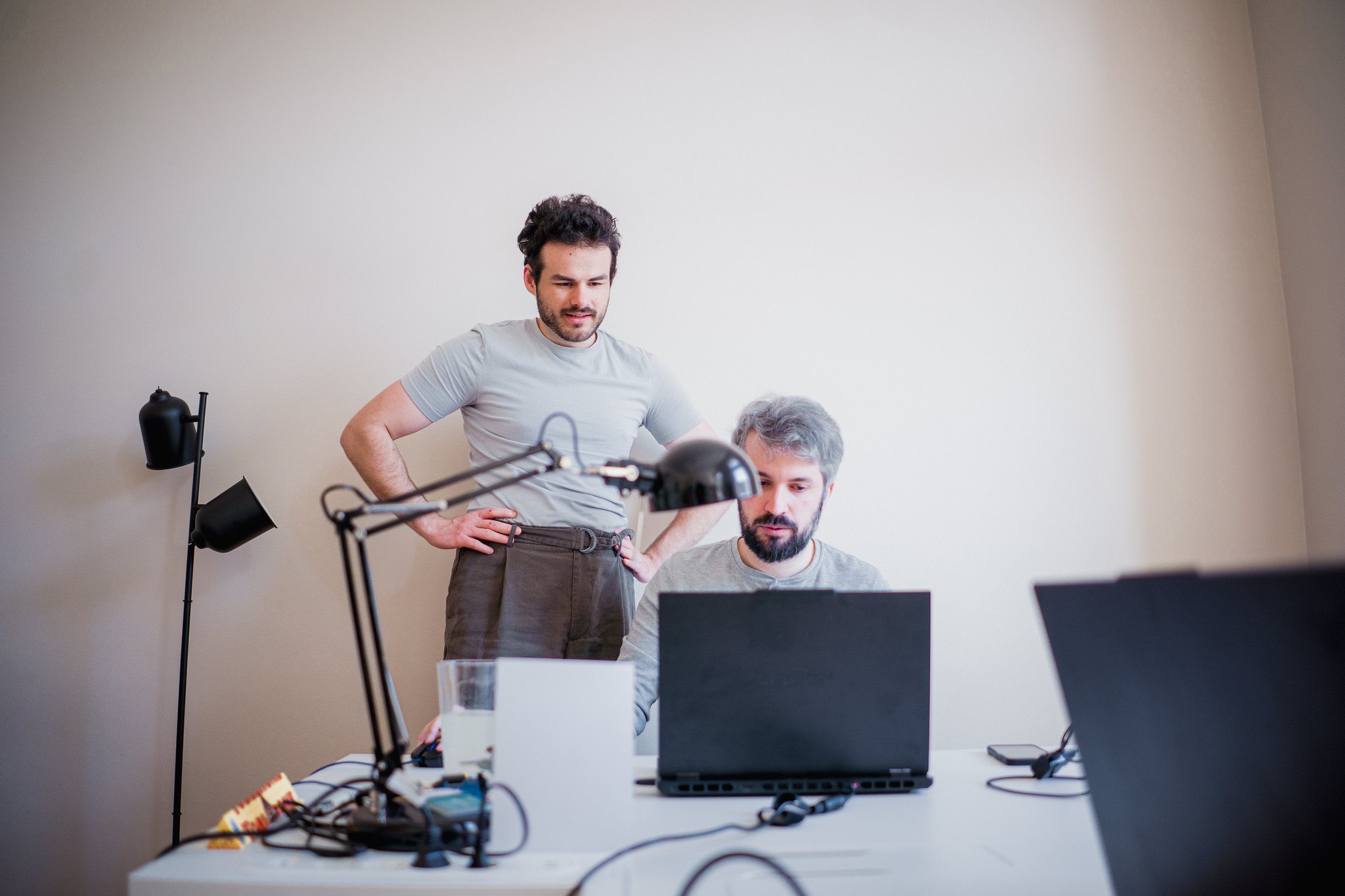
Szegeder editor-in-chief Dániel Szűcs with his colleague Dániel Legény. Photo credit: András Bálint / Szegeder
From an academic perspective, the election outcome is seen as both an opportunity and a responsibility.
“I believe Hungary will move closer to European Union values in the coming years, with meaningful progress in areas such as healthcare, education, and anti-corruption,” said Zoltán, a university professor. “The strong parliamentary majority is both an opportunity and a major responsibility to rebuild rational public discourse and a shared understanding in a divided society. At the same time, it means relying on the self-restraint and wisdom of politicians rather than strong institutional checks and balances – and that has not always been a strength of politics.”
While many in Szeged remain cautious about what comes next, the dominant feeling in the city is one of relief. After years of uncertainty, the past week has brought a renewed sense of optimism – and, for many, the feeling that meaningful change may finally be within reach.
