Szeged launches pilot project to cool downtown heat hotspot with urban greening
SZEGED, Hungary — A small square near Károlyi Street in downtown Szeged is being transformed into a green space as part of a pilot project aimed at reducing extreme urban heat, city officials said.
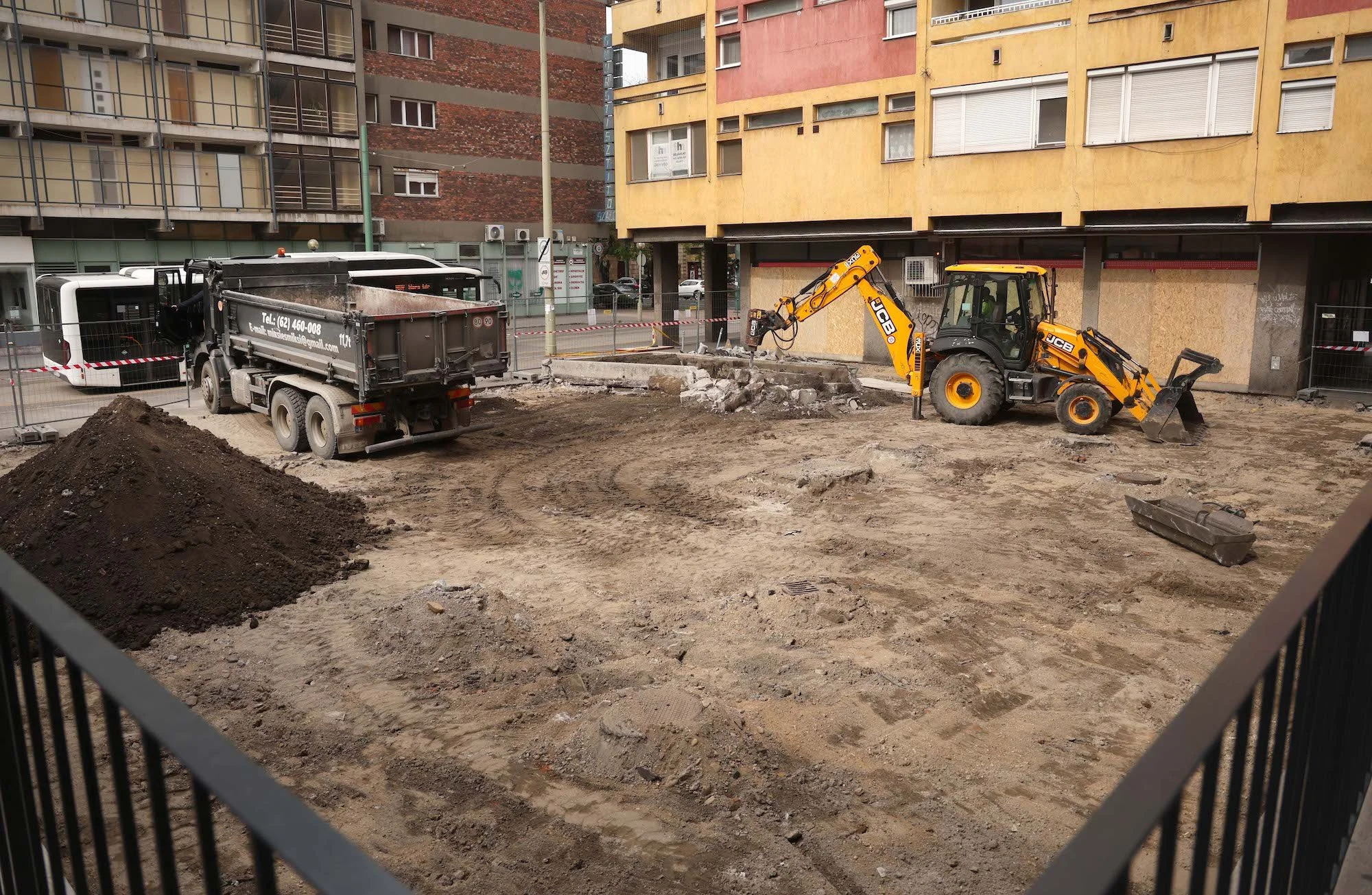
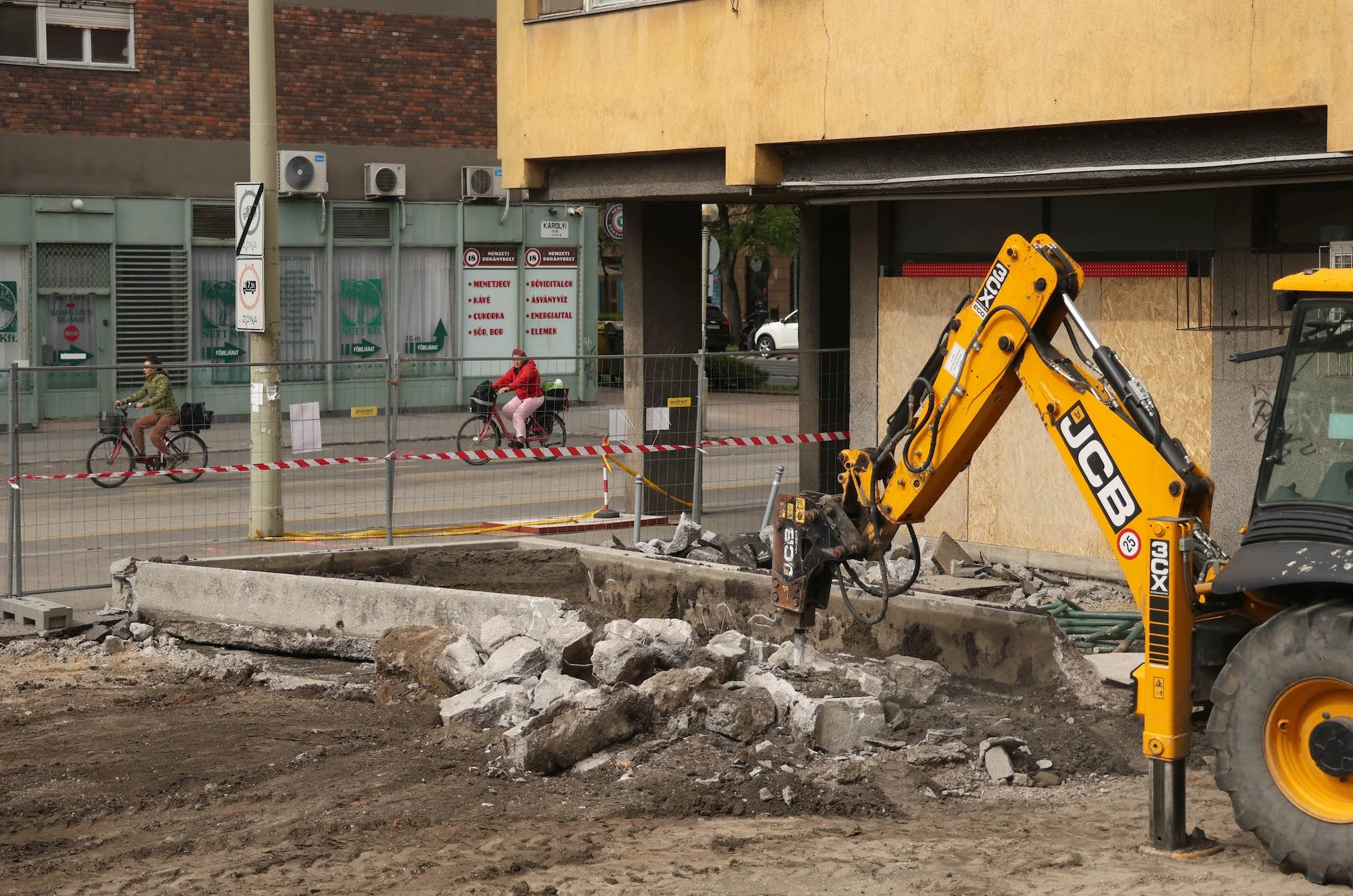
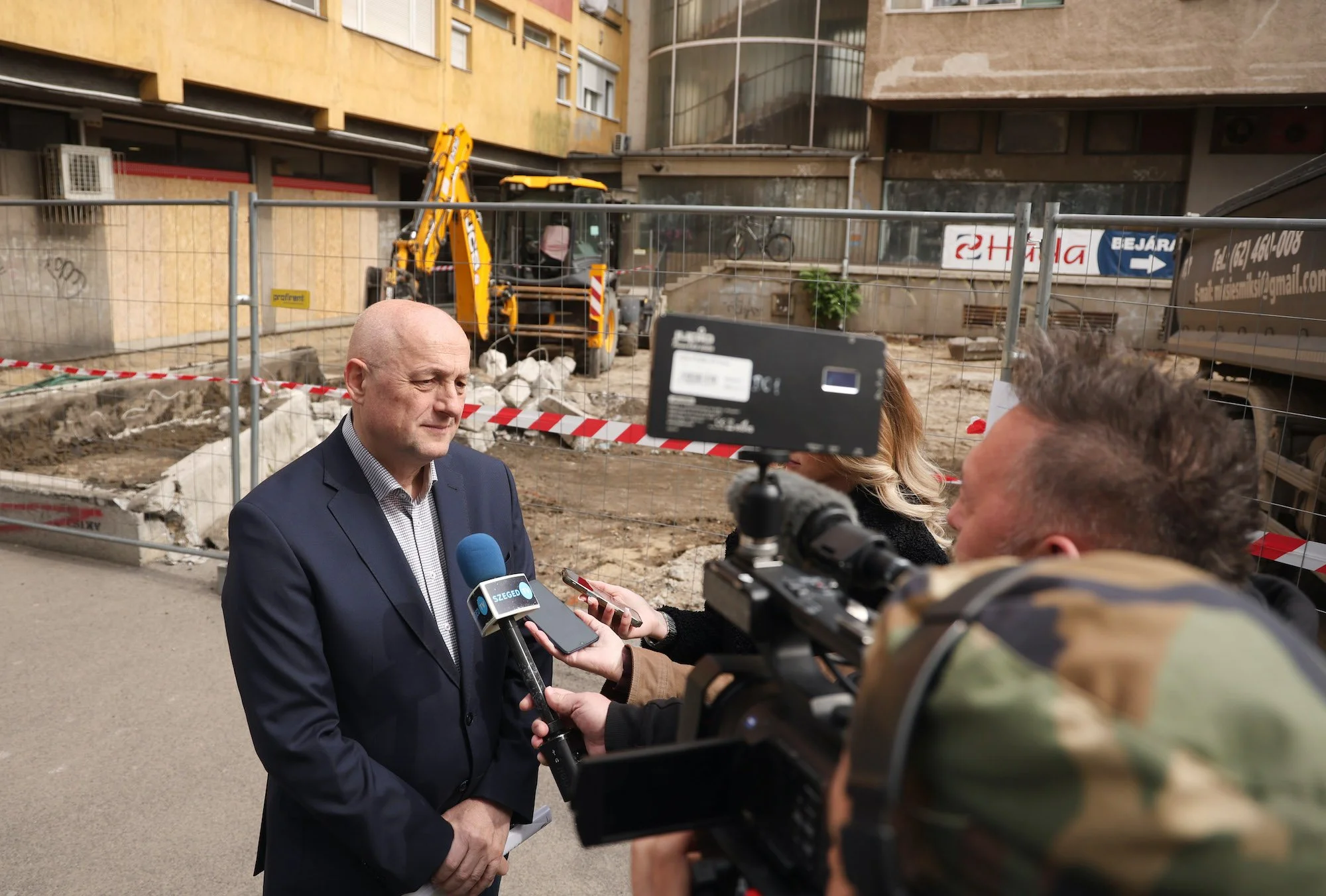
The area, currently being cleared of concrete, has been identified as one of the city’s hottest locations, with surface temperatures reaching up to 50°C (122°F) during summer heatwaves. By late summer, the site is expected to be converted into a landscaped mini-park with vegetation, benches and a public drinking fountain.
Deputy Mayor for Urban Development Sándor Nagy said the project is designed to eliminate the so-called “heat island” effect and will serve as a demonstration site for similar interventions across the city.
The initiative is based on research conducted by the University of Szeged, whose experts created a thermal map identifying the most heat-affected areas in Szeged. The Károlyi Street site was among the most extreme cases.
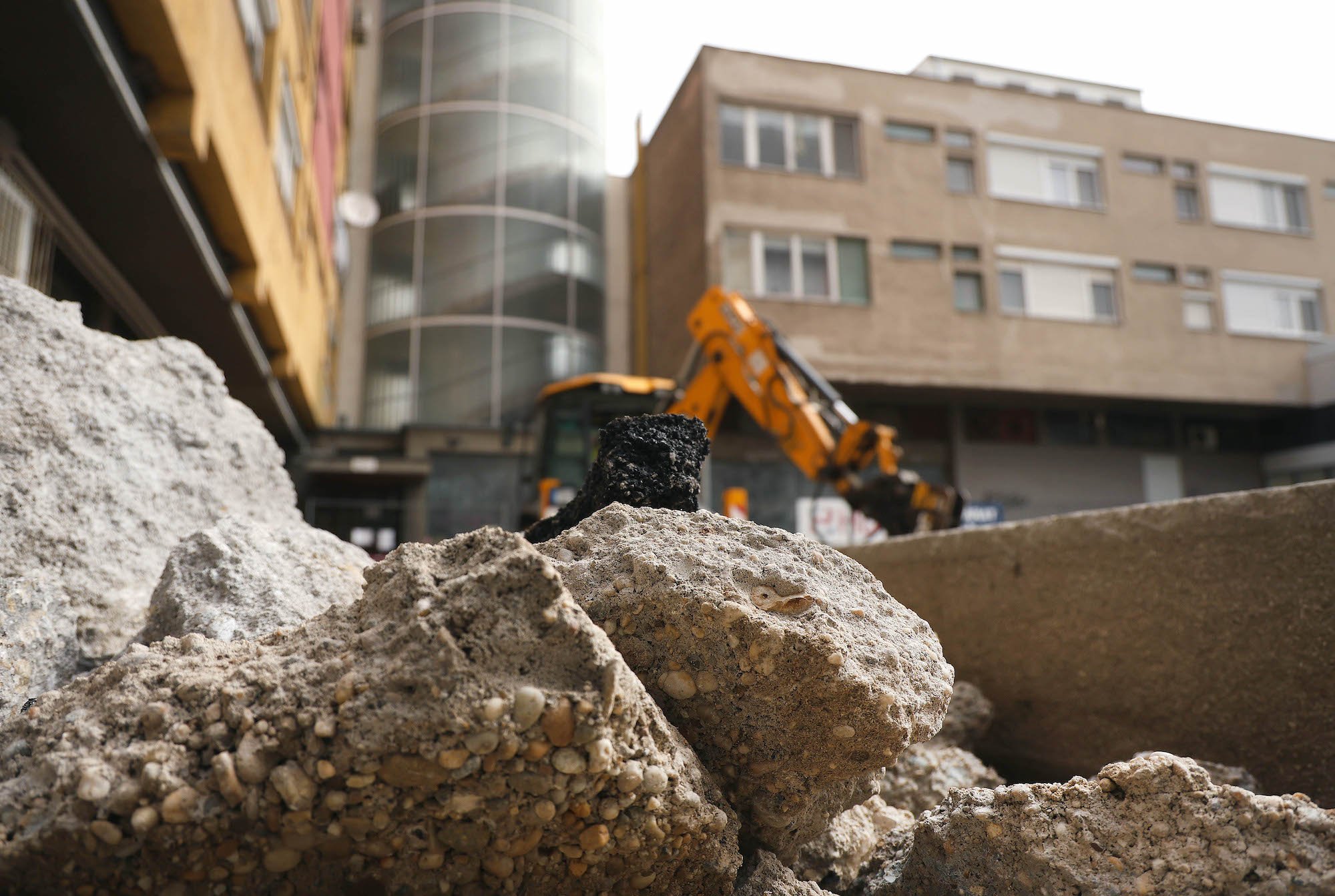
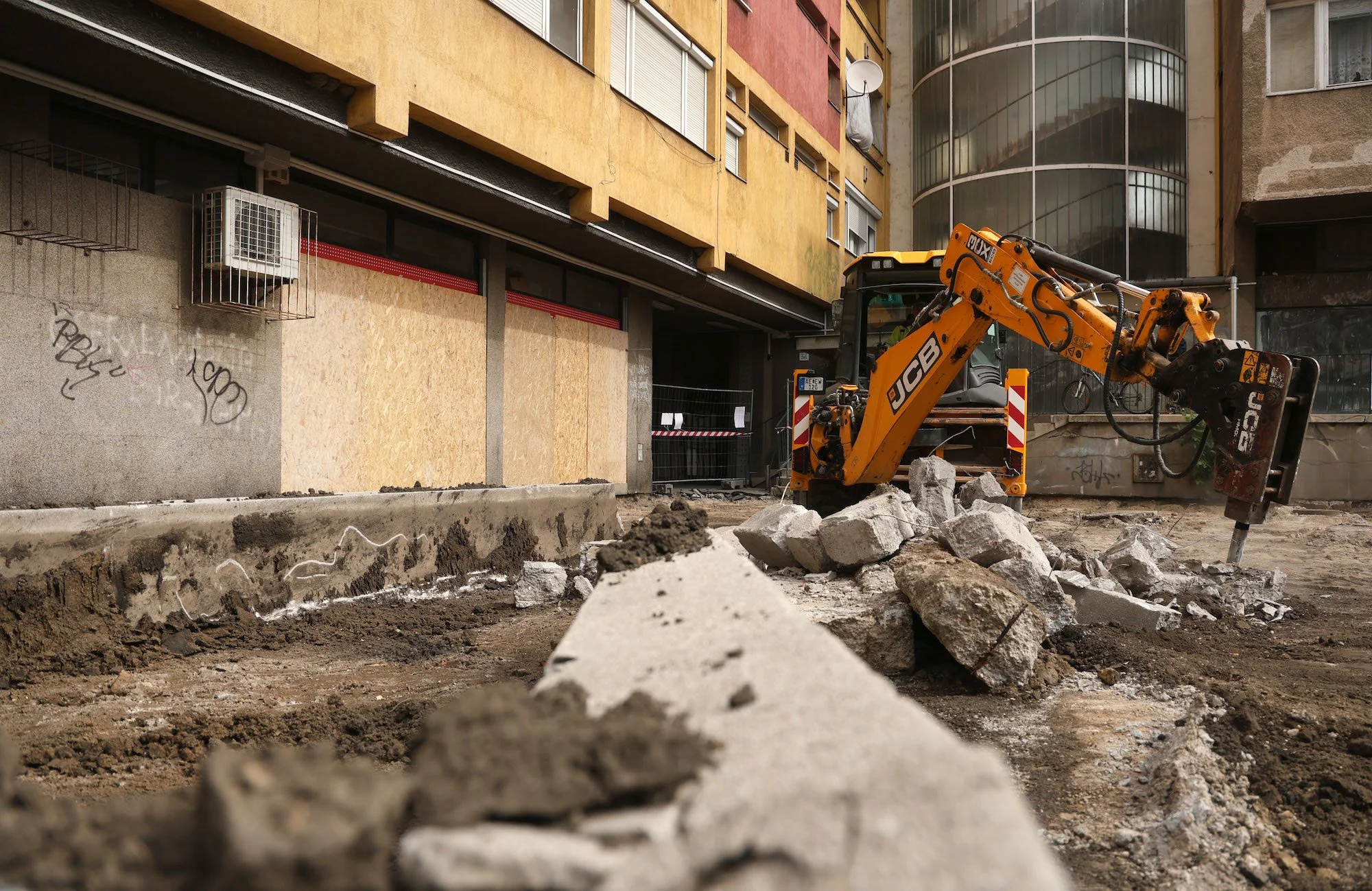
Construction is already underway, with heavy equipment removing paved surfaces and preparing the ground for planting. While the main landscaping work is expected to be completed by the end of summer, trees will be planted later in the fall, when conditions are more suitable for their growth.
The project will also include the installation of a monitoring system to measure the cooling effects of the greening efforts. Data collected will be used to guide future urban climate adaptation projects.
Additional pilot locations have been selected across the city, including the Anna Spring tram stop, a section of Kossuth Lajos Avenue, and a building wall at the intersection of József Attila Avenue and Brussels Boulevard, where vertical greenery is planned. Plans are also in development to cool the courtyard of Dózsa Elementary School, where temperatures have been reported to reach up to 60°C (140°F) on concrete surfaces.
The greening efforts are supported by two European Union-funded programs. Under the Cool Life project, the municipality covers 40% of costs, while the ReGreenX program — focused on identifying heat- and drought-resistant plant species — provides 80% EU funding, with a 20% local contribution. The two programs are designed to complement each other, with plant species identified through ReGreenX being tested at Cool Life project sites.
In addition to planting vegetation, the Károlyi Street site will incorporate water infiltration systems that allow rainwater to seep back into the soil, supporting plant growth and improving resilience to increasingly frequent heatwaves.
City officials said the experience gained from the pilot projects will inform a broader strategy to mitigate urban heat across Szeged.
Photos: Y.F.
