Opposition leader Péter Magyar pledges reform and national unity at Szeged rally
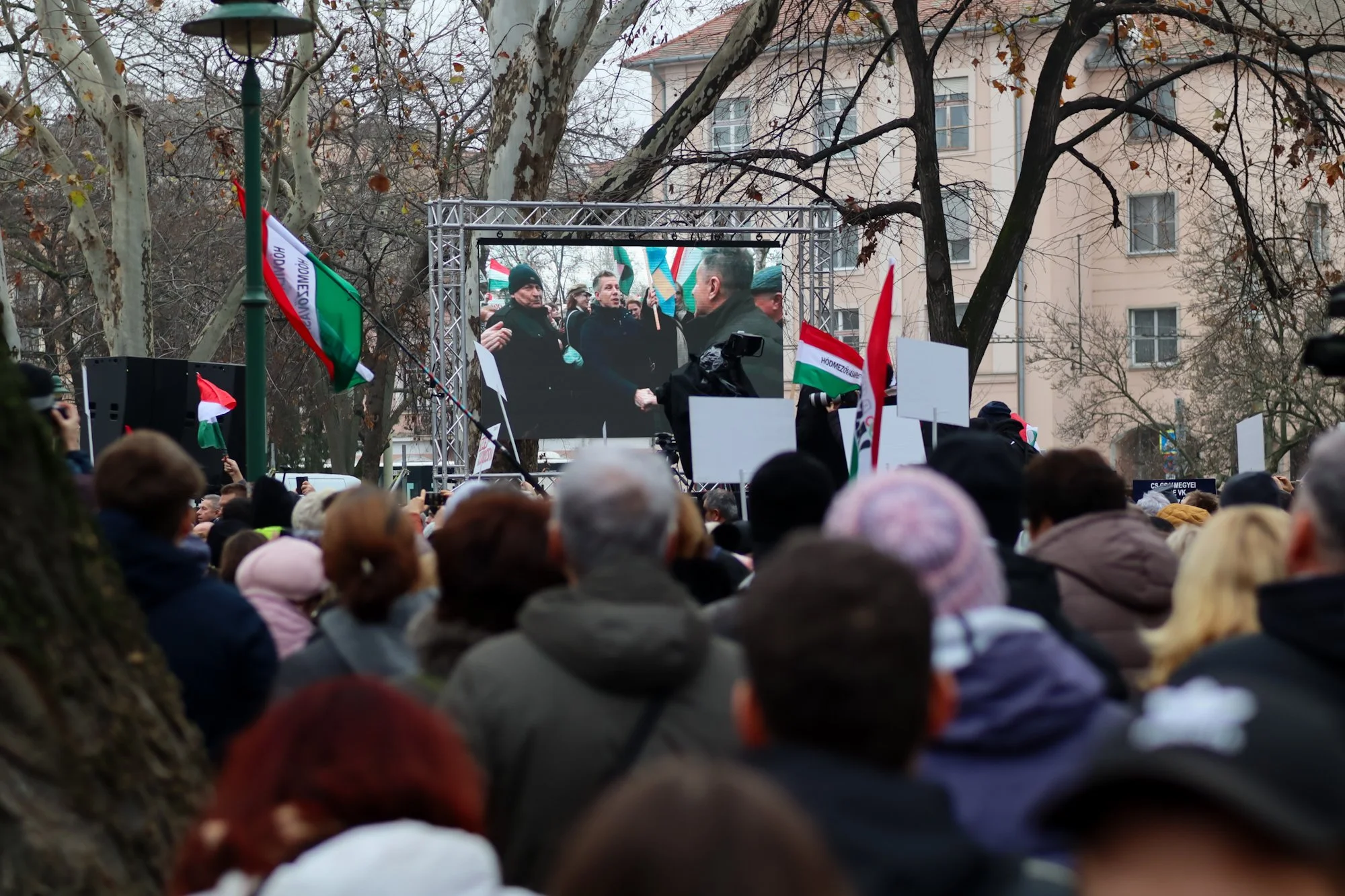
Opposition leader Péter Magyar vowed to restore democratic institutions, tackle corruption, and defend the rights of Hungarians at home and abroad at a rally Saturday in Szeged, held hours after a government-backed event elsewhere in the city.
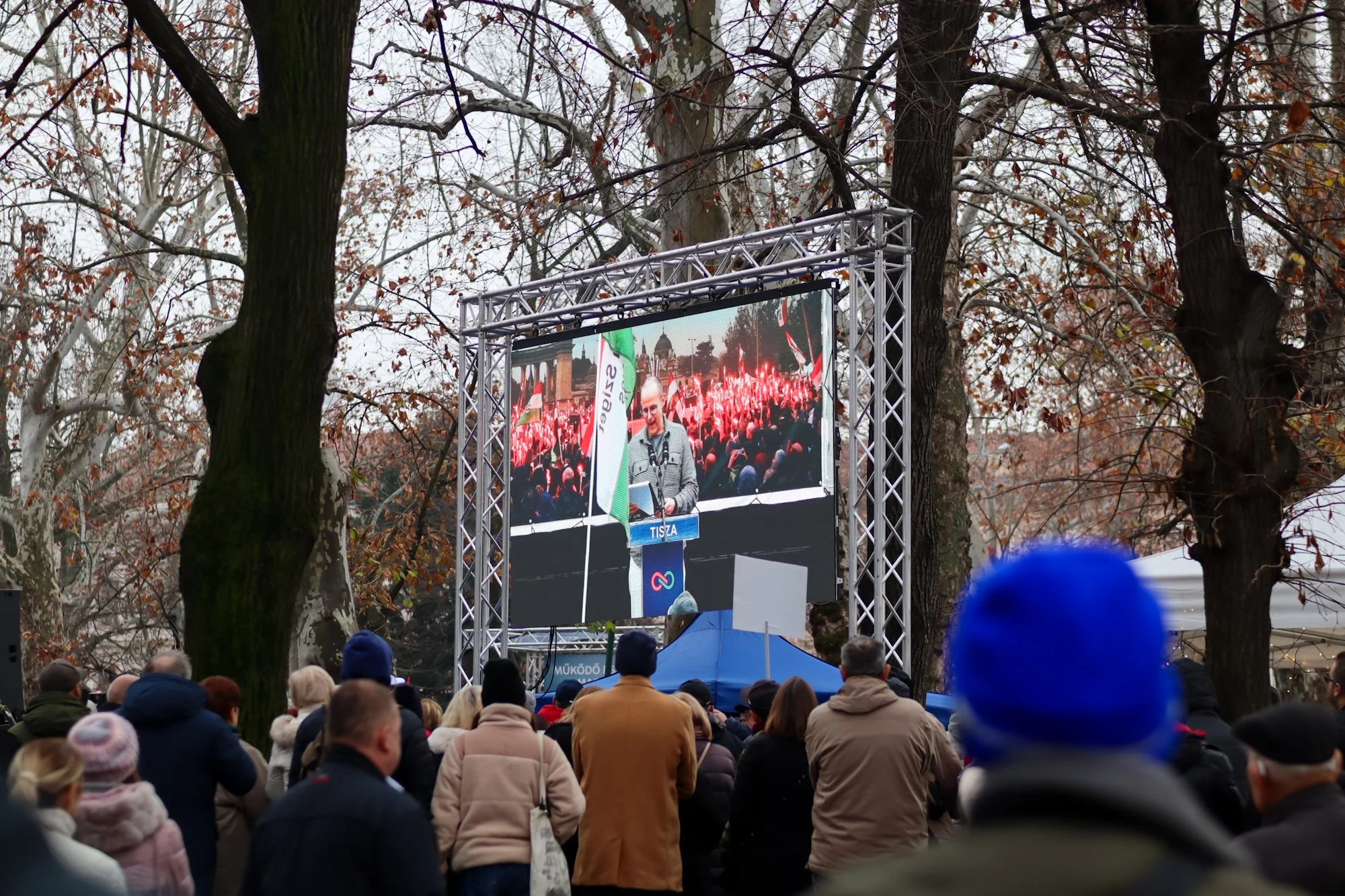
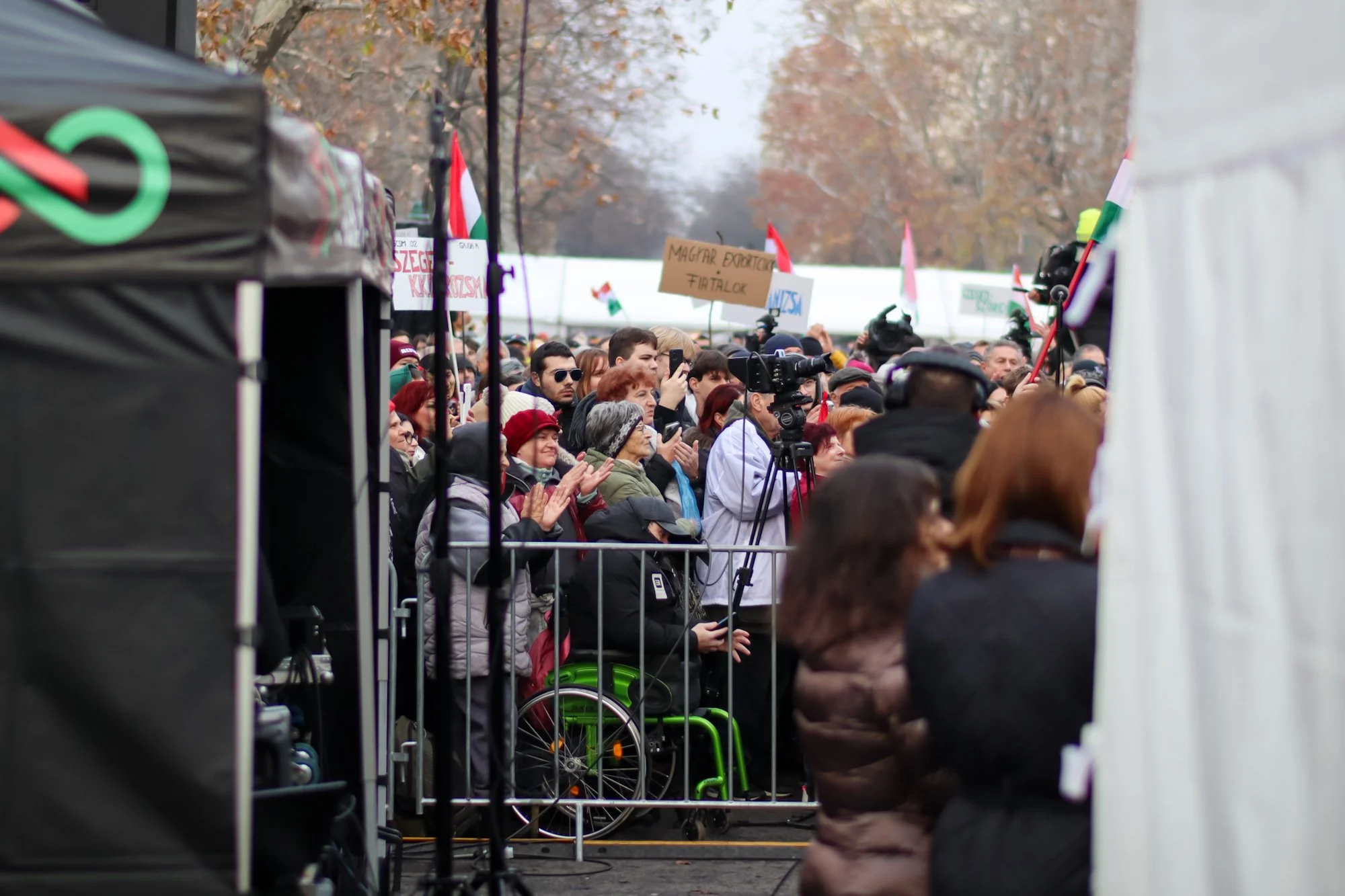
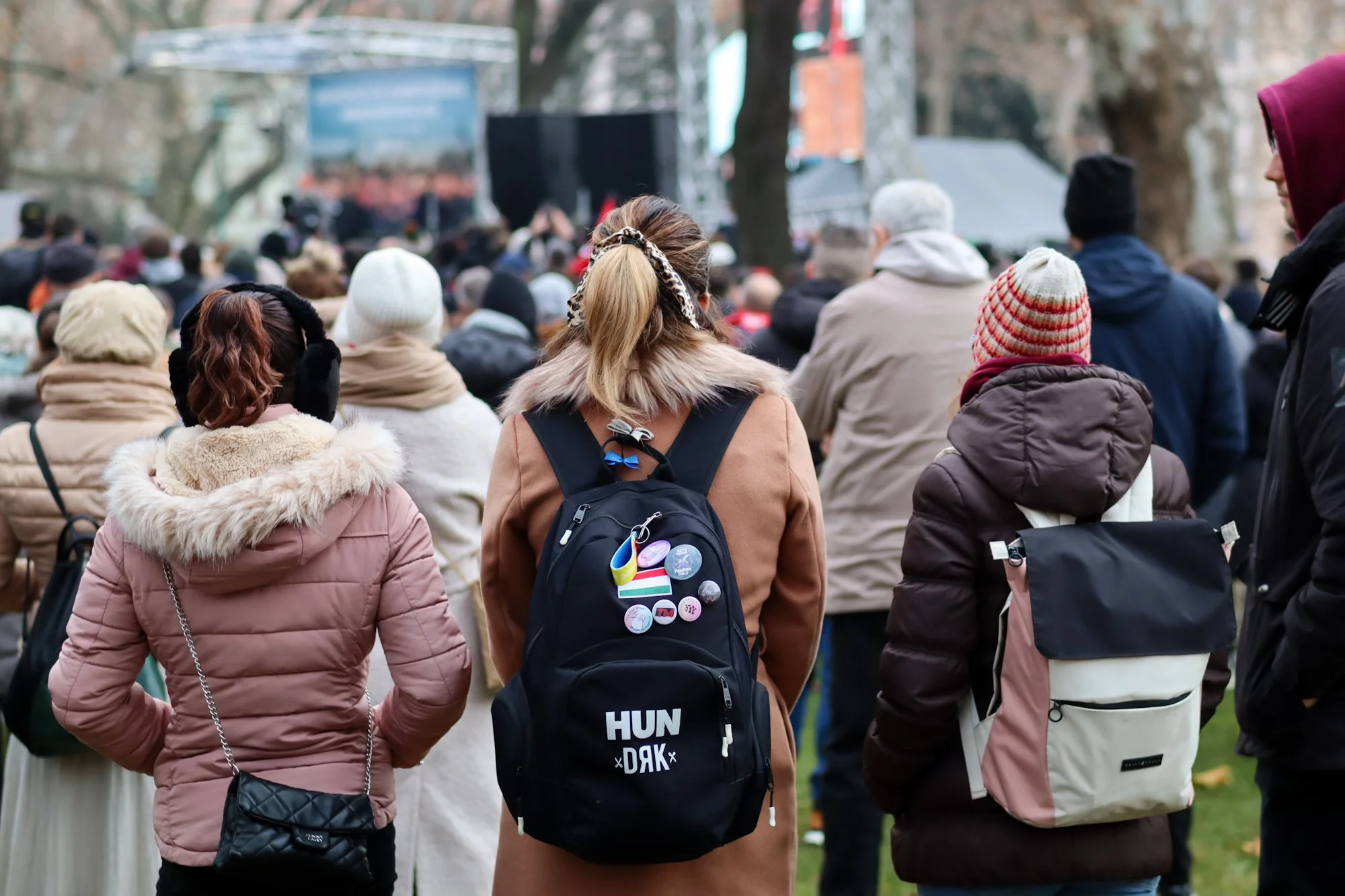
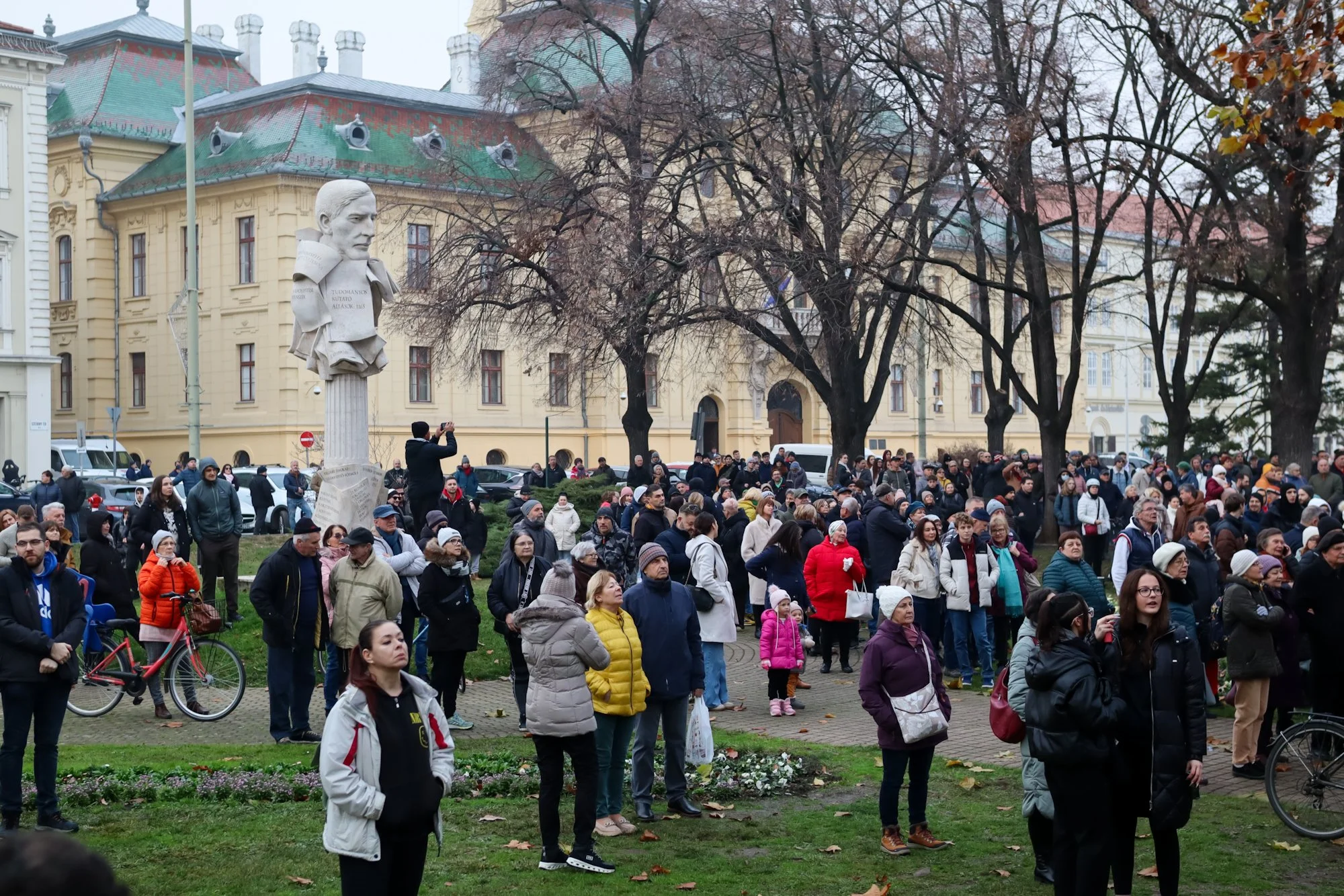
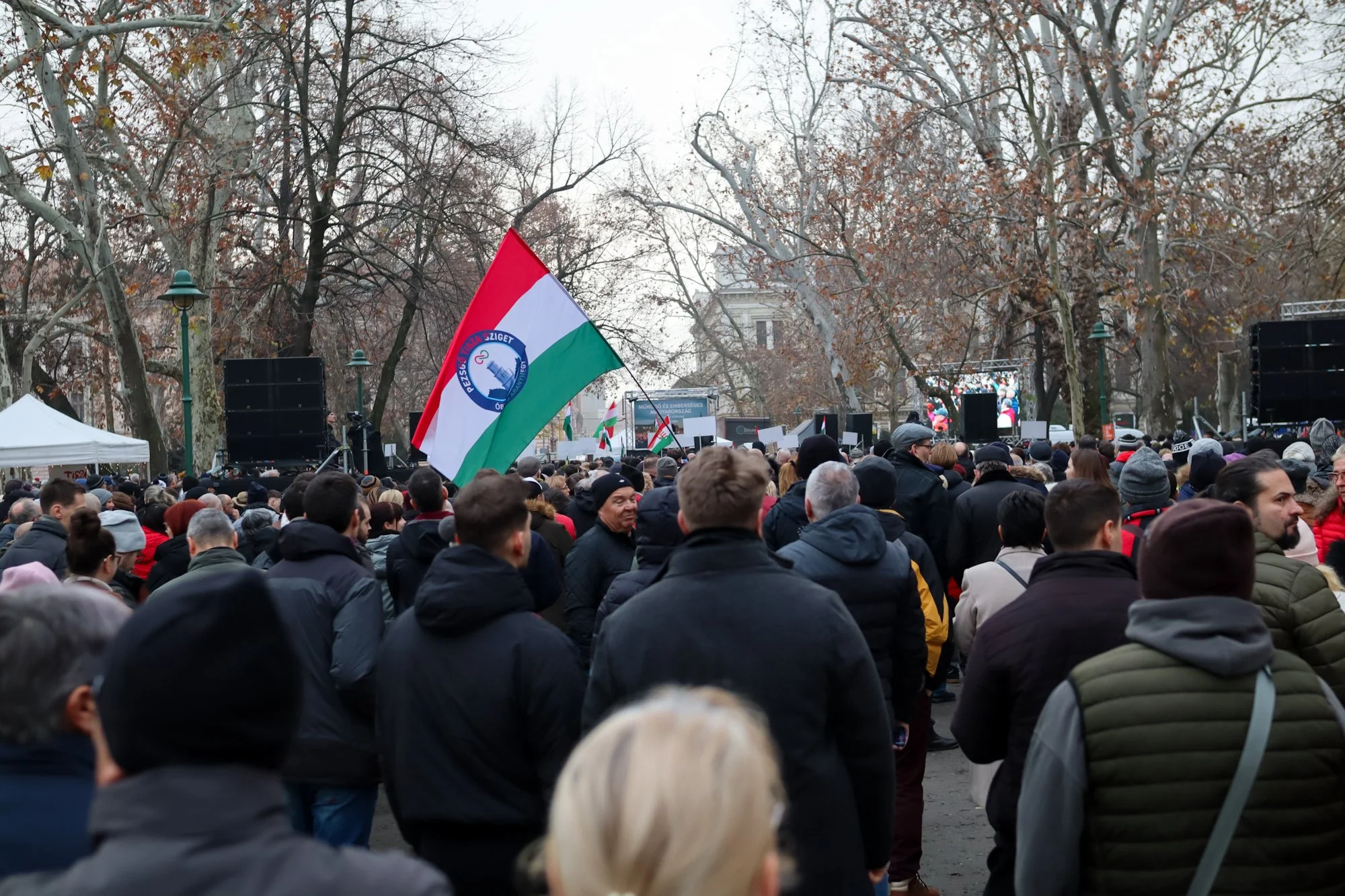
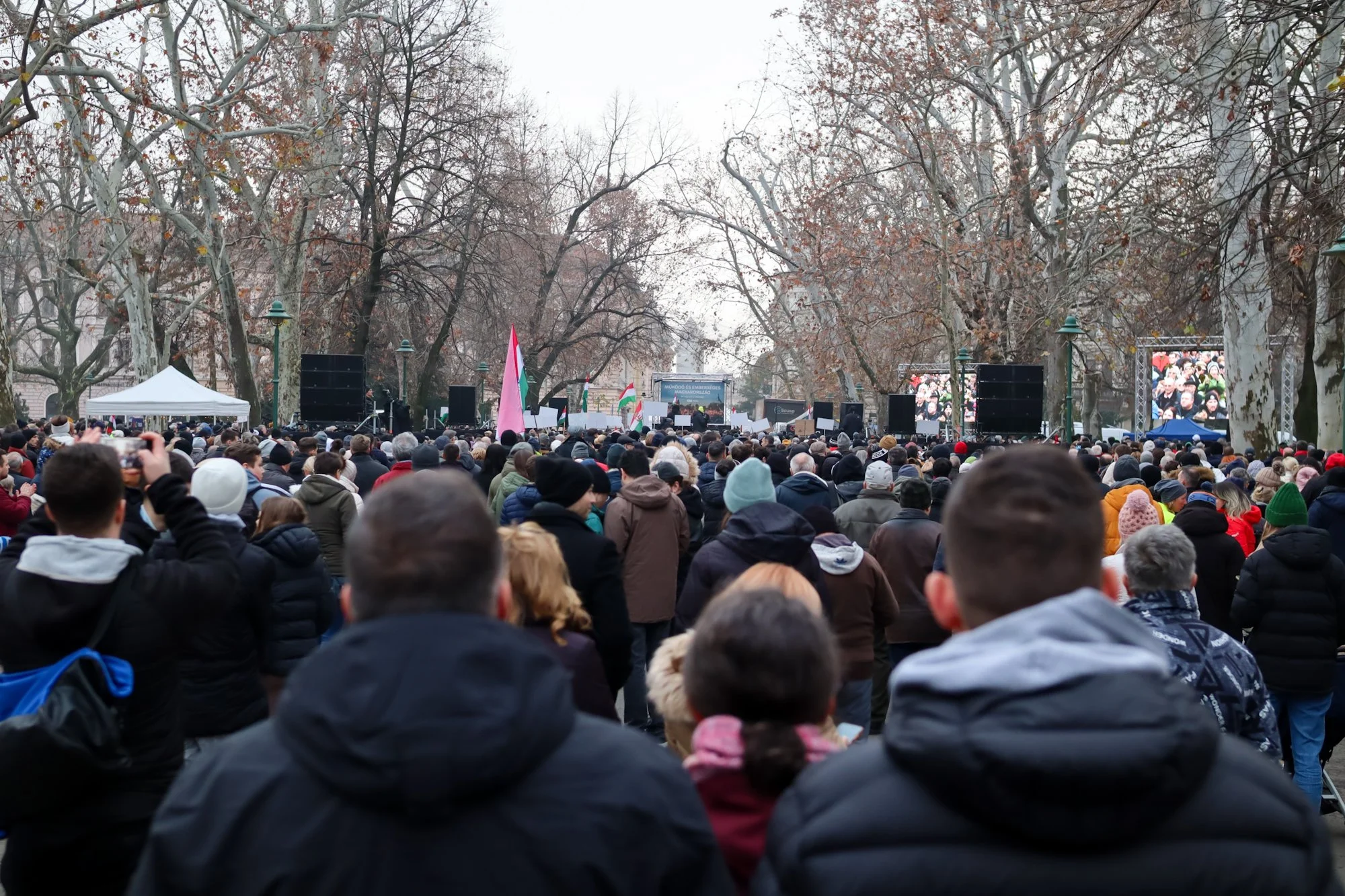
Magyar, head of the Tisza Party, addressed roughly one to two thousand supporters gathered in Szeged’s Széchenyi Square, promising what he called a “functioning and humane country” in contrast to the past 16 years of Fidesz rule. The demonstration followed a closed-door, pro-government “anti-war” rally earlier that day at the Pick Arena.
Magyar said a future Tisza-led government would cut taxes, raise pensions, reinstate frozen European Union funds, and implement strong anti-corruption measures. He pledged to restart economic growth, curb inflation, and make the rescue and development of public health care and education a top priority.
He also promised to restore university autonomy, disclose all secret agreements signed by the current government — including those related to Chinese electric vehicle maker BYD, whose first electric car plant is currently under construction in Szeged — and strictly enforce environmental and construction regulations. Magyar said a national authority overseeing the battery industry would be created to protect citizens rather than polluters.
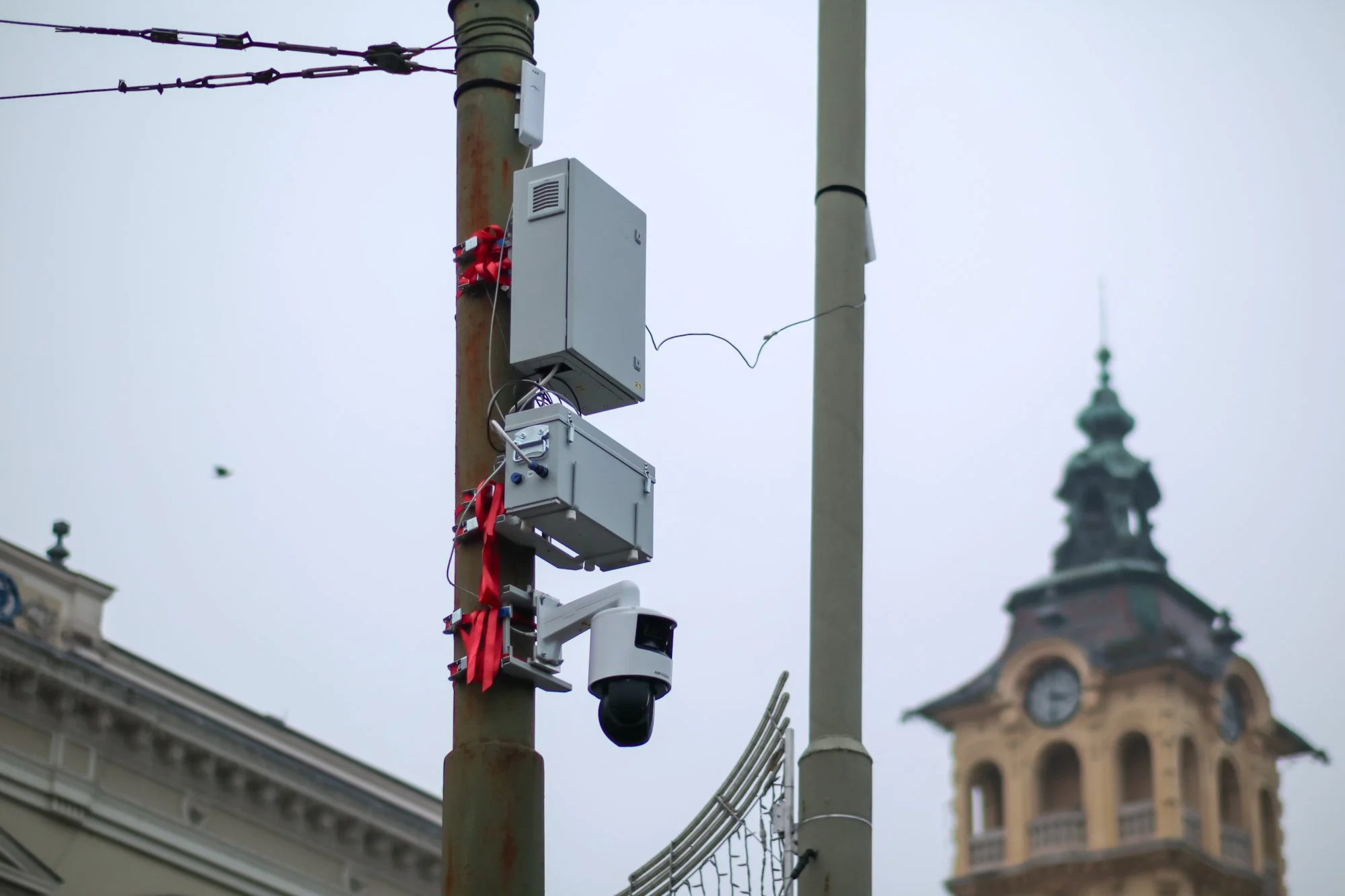
Temporary surveillance cameras had been installed at Széchenyi Square the day before the rally and were removed afterward; according to local media outlet szeged.hu, the equipment was set up by the Ministry of Interior.
Speaking in Szeged, which he described as a “capital of the Tisza,” Magyar highlighted the city’s strong support for his party in the most recent European Parliament elections and said he expected similar results in 2026. He pledged that a long-promised third bridge over the Tisza River in Szeged would be built by 2030 if his party comes to power.
A central theme of Magyar’s speech was national unity and the treatment of ethnic Hungarians living beyond the country’s borders. He cited a recent remark by government minister János Lázár, who referred to Tisza parliamentary candidate Viktória Strompová as Slovak, calling the comment humiliating not only for her but for millions of Hungarians. Strompová, an ethnic Hungarian born in Slovakia, also addressed the crowd, saying the remark attempted to deny her identity as a Hungarian.
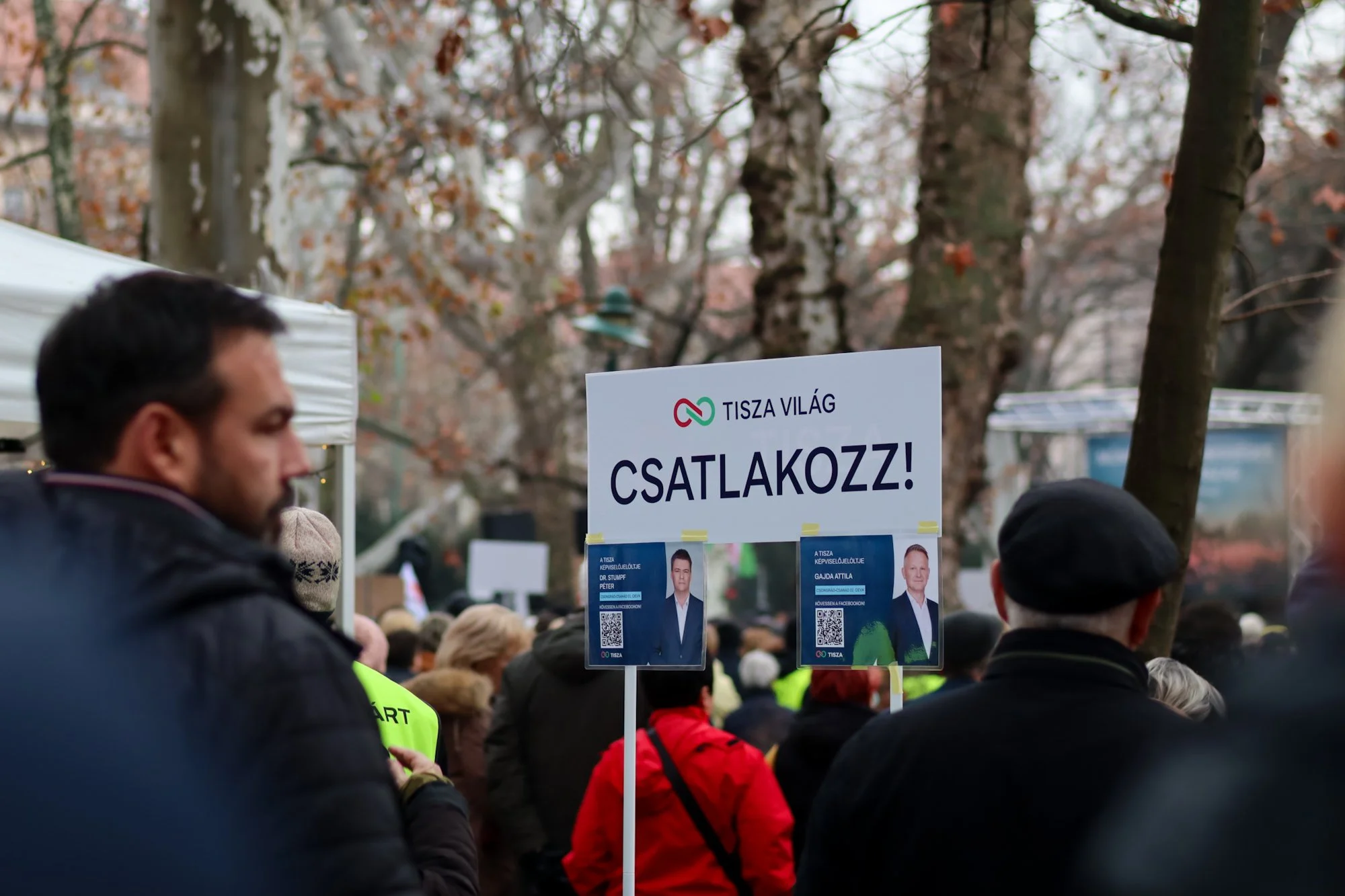
Several other Tisza candidates, including those born in neighboring countries, were introduced at the rally. Actress Alexandra Borbély, who was born in Slovakia, spoke about identity and belonging, saying Hungary is her home.
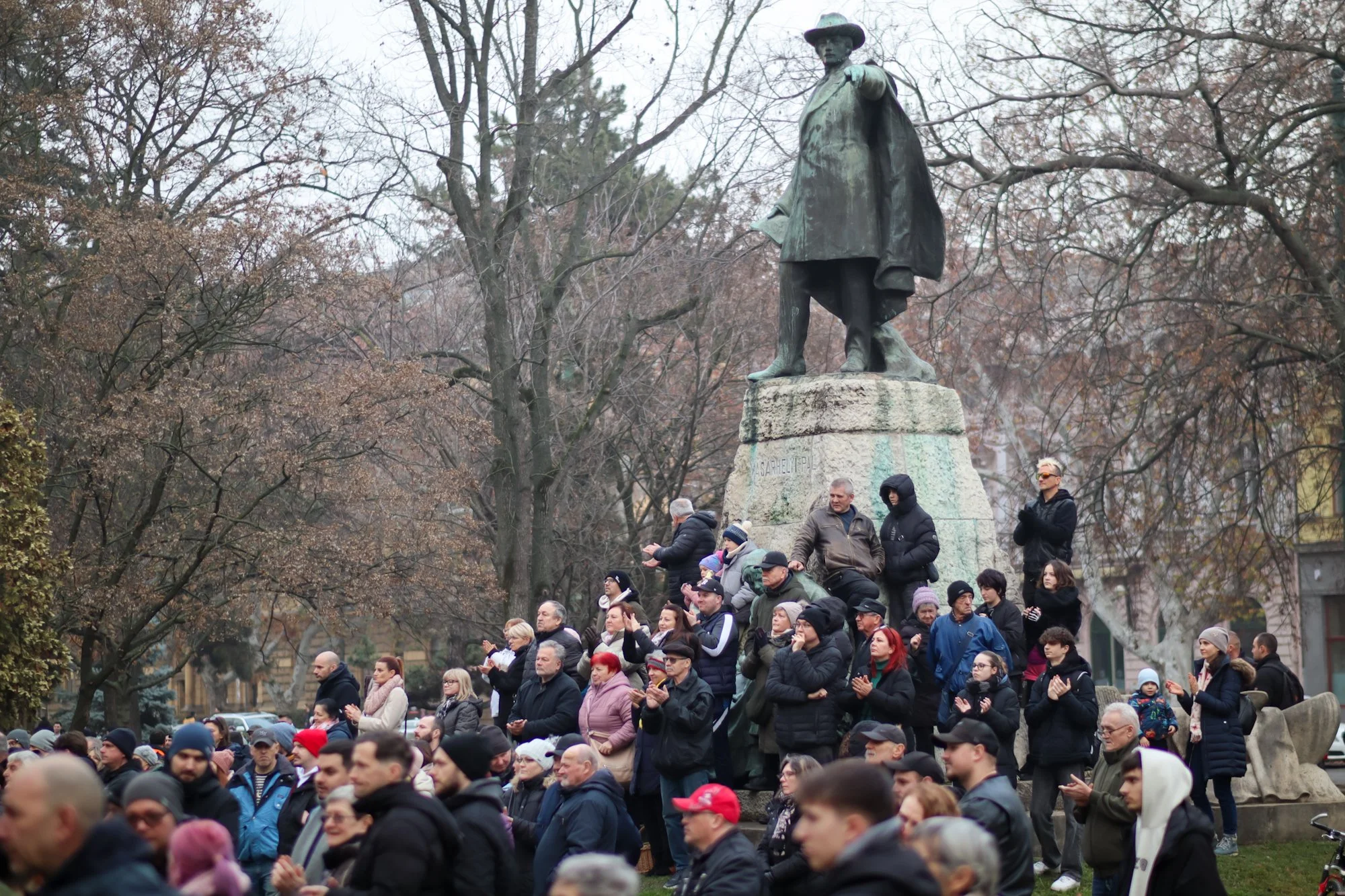
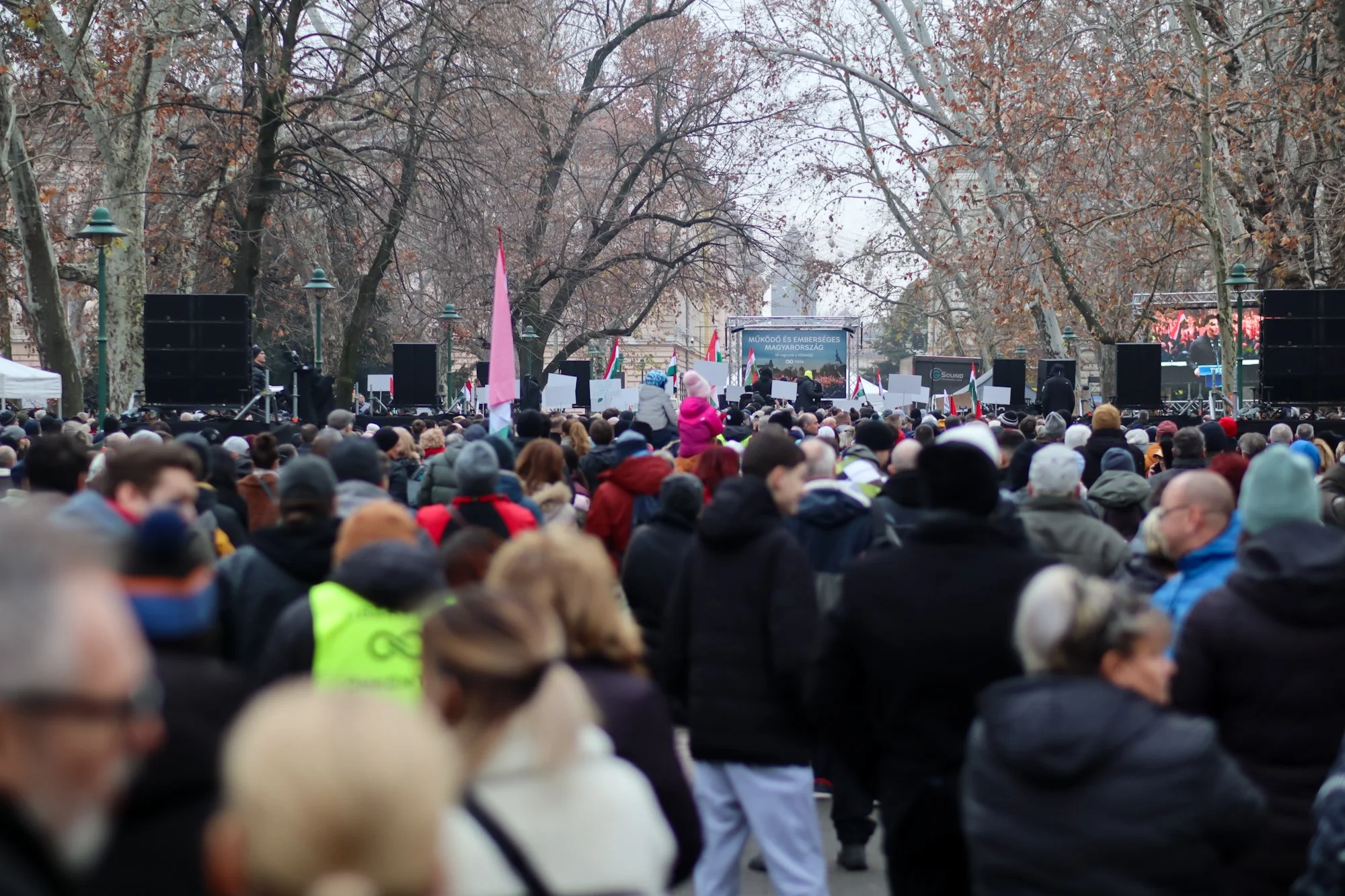
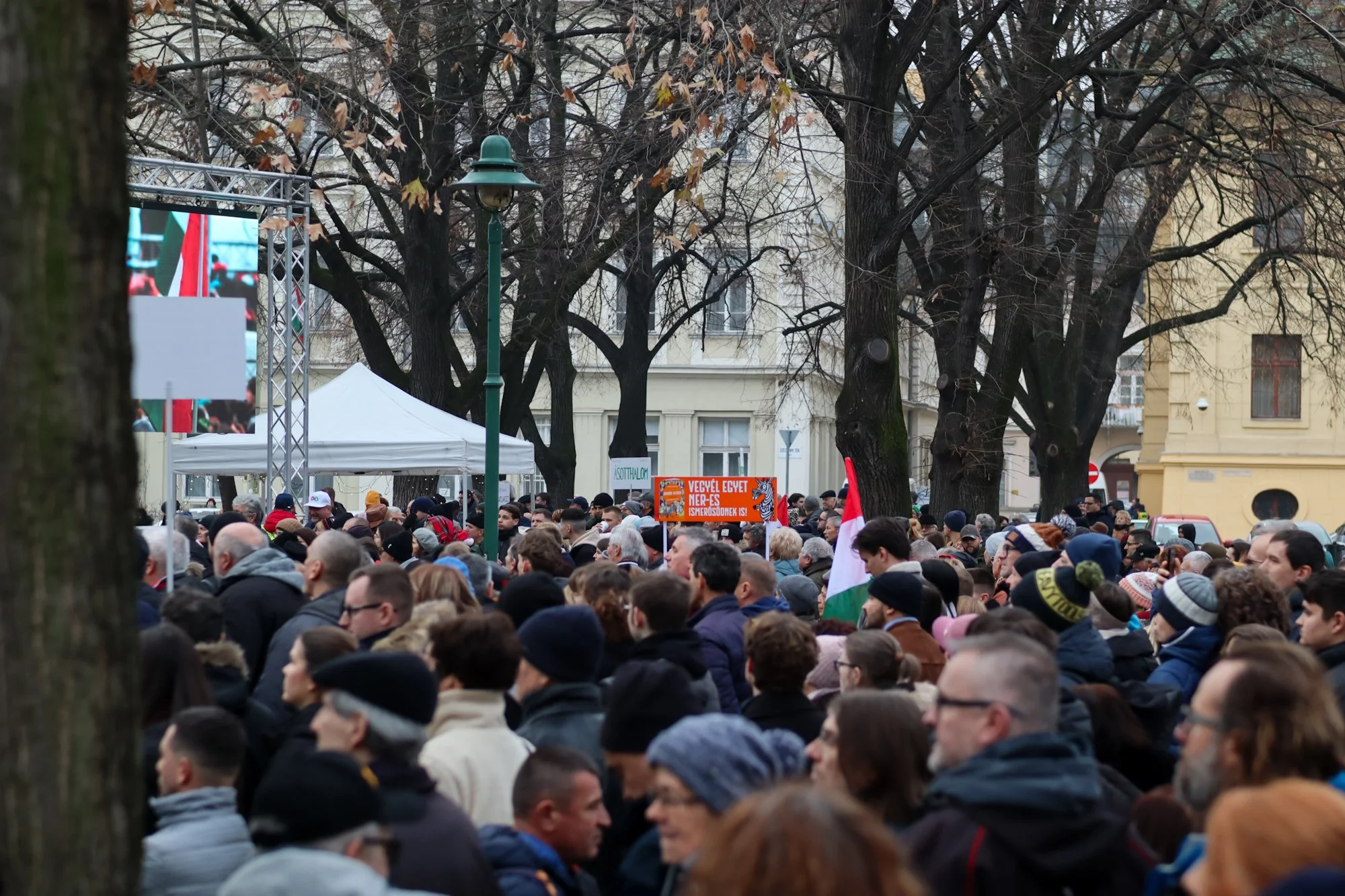



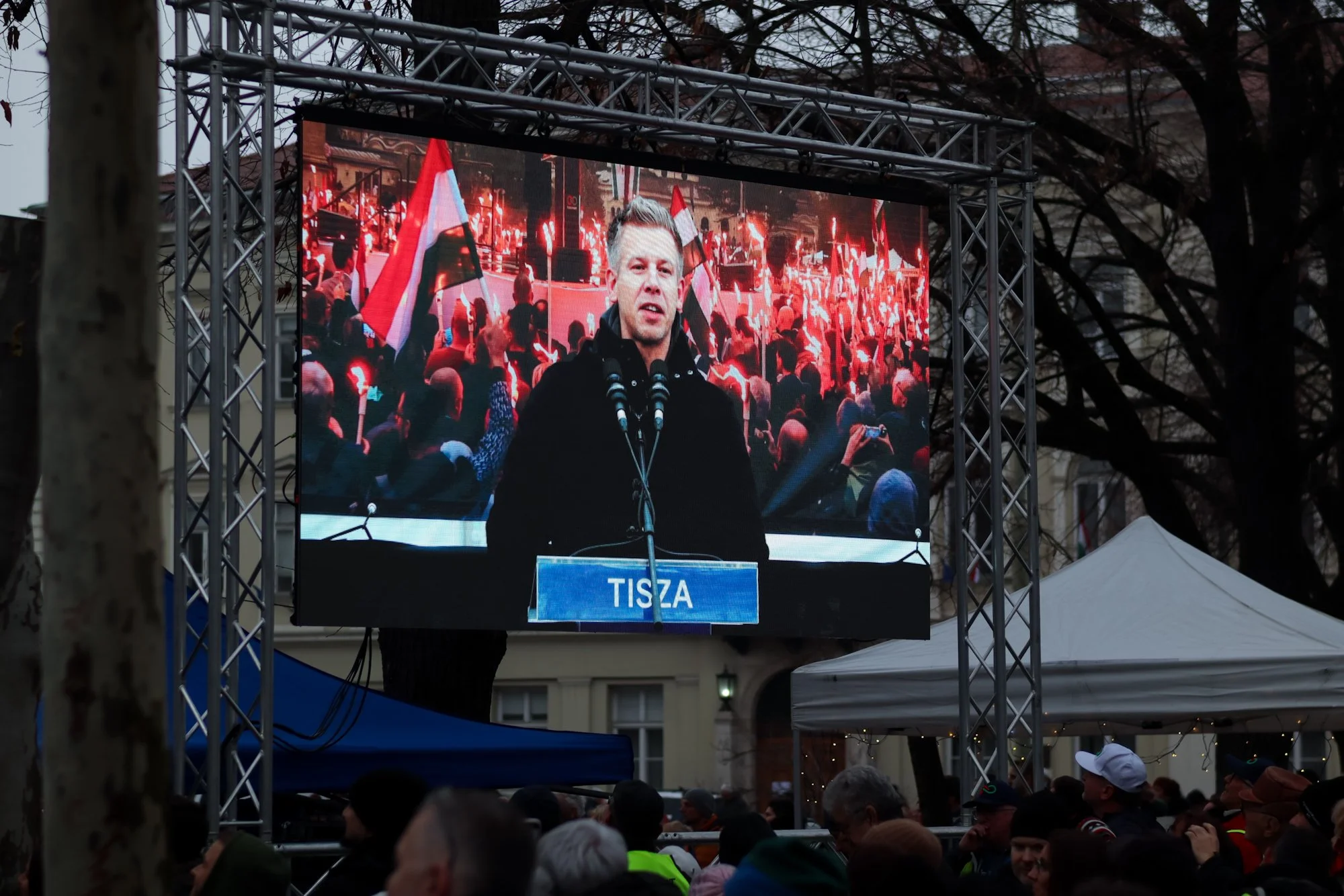
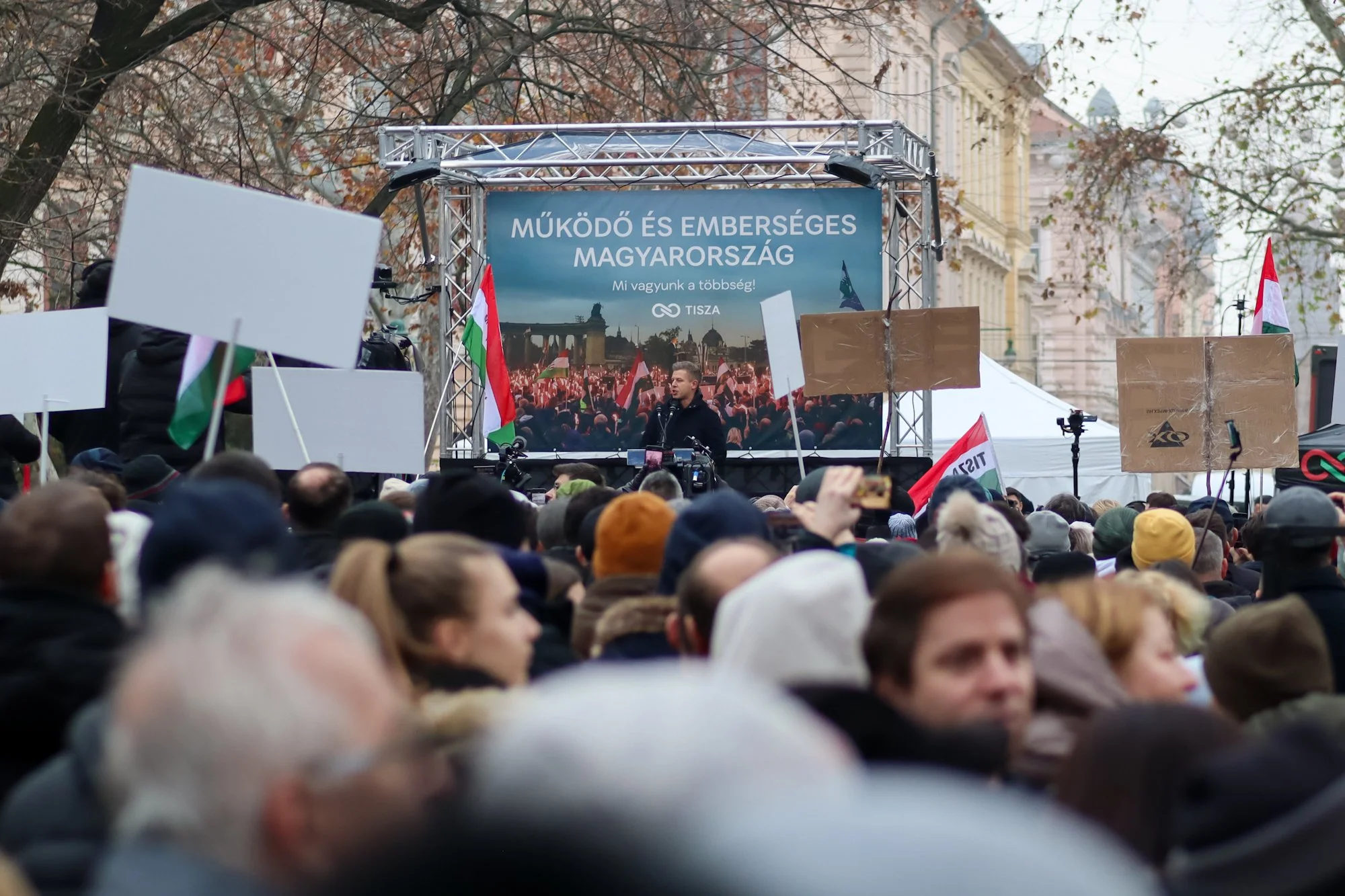
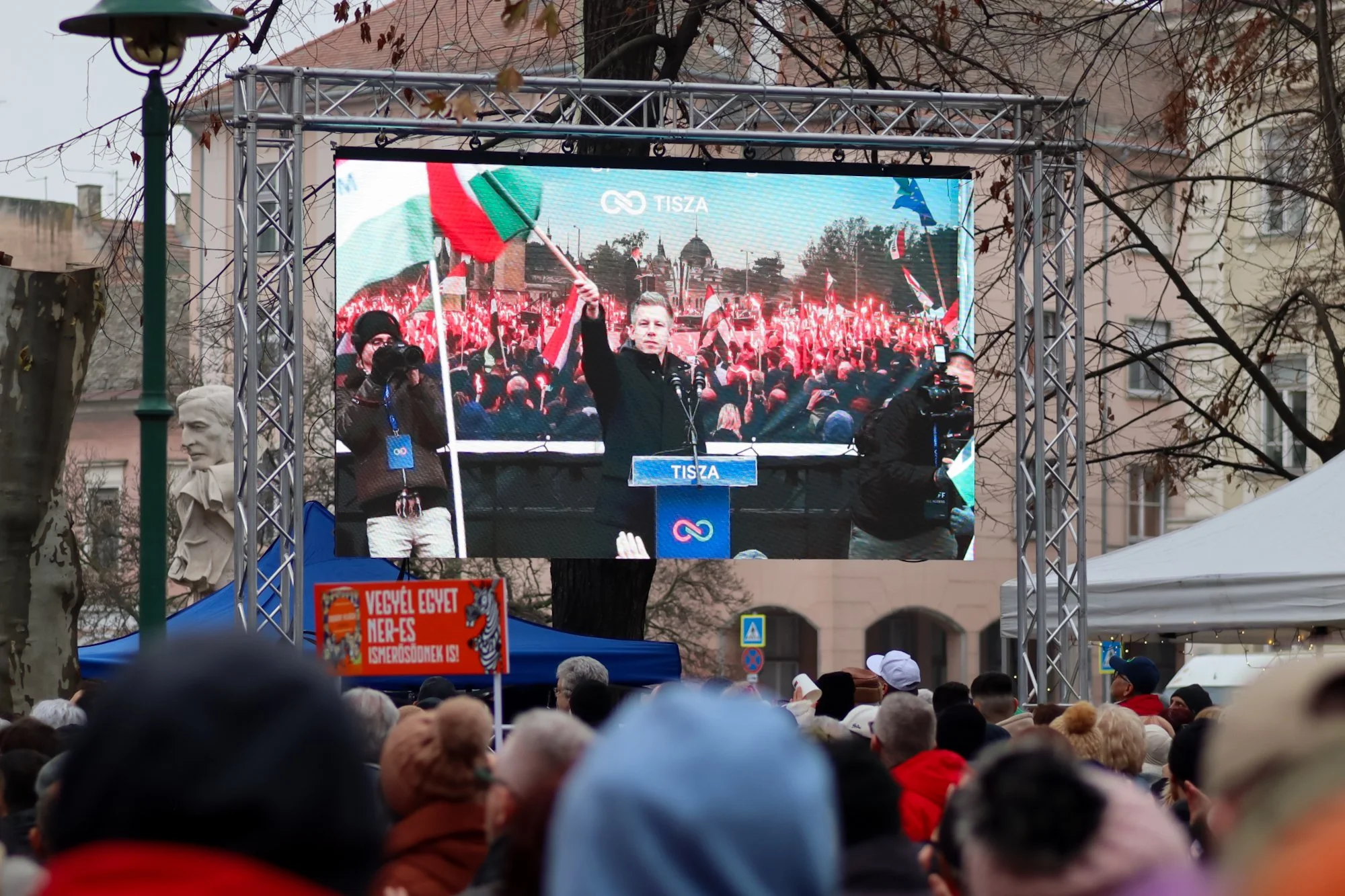
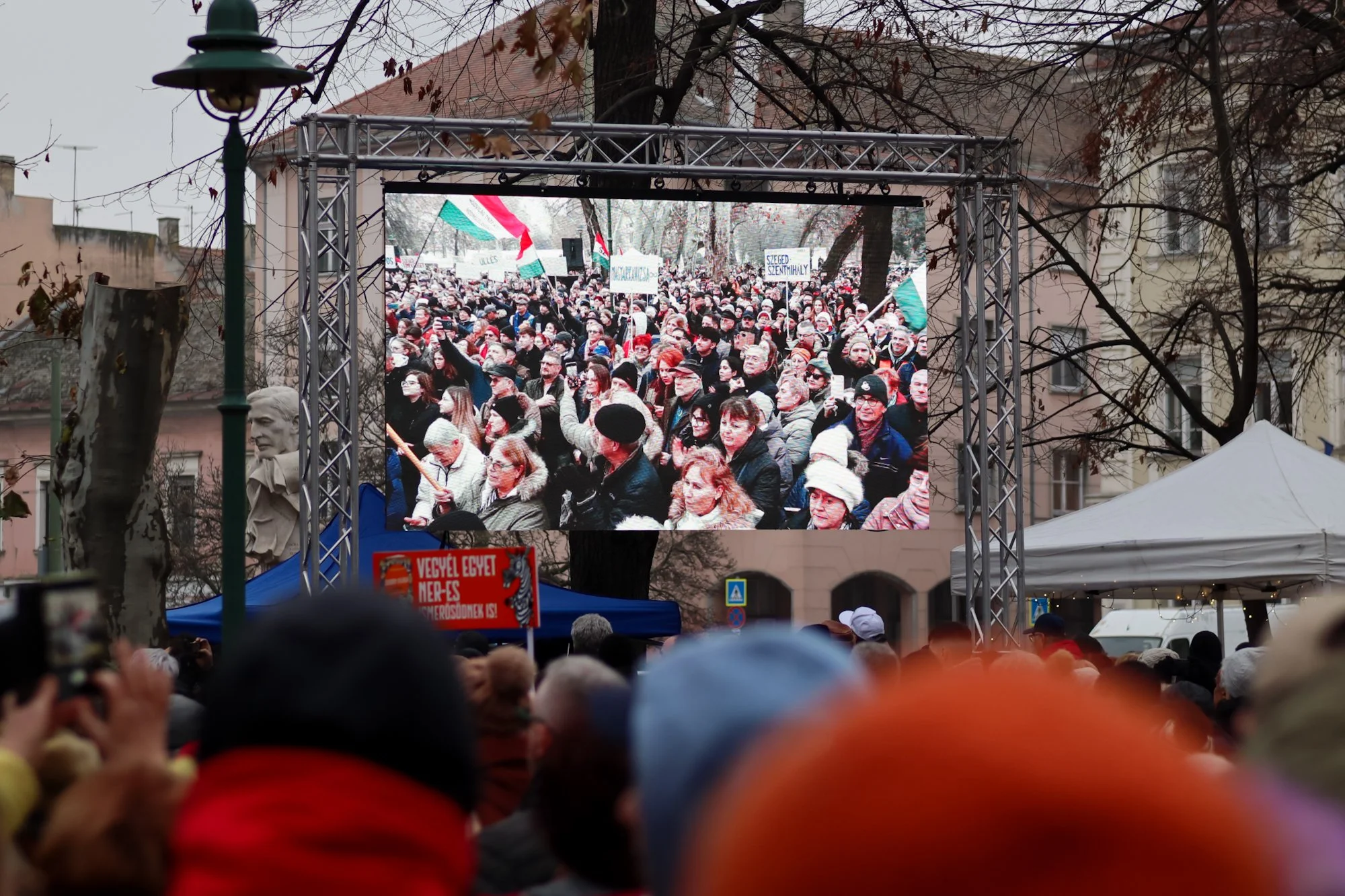
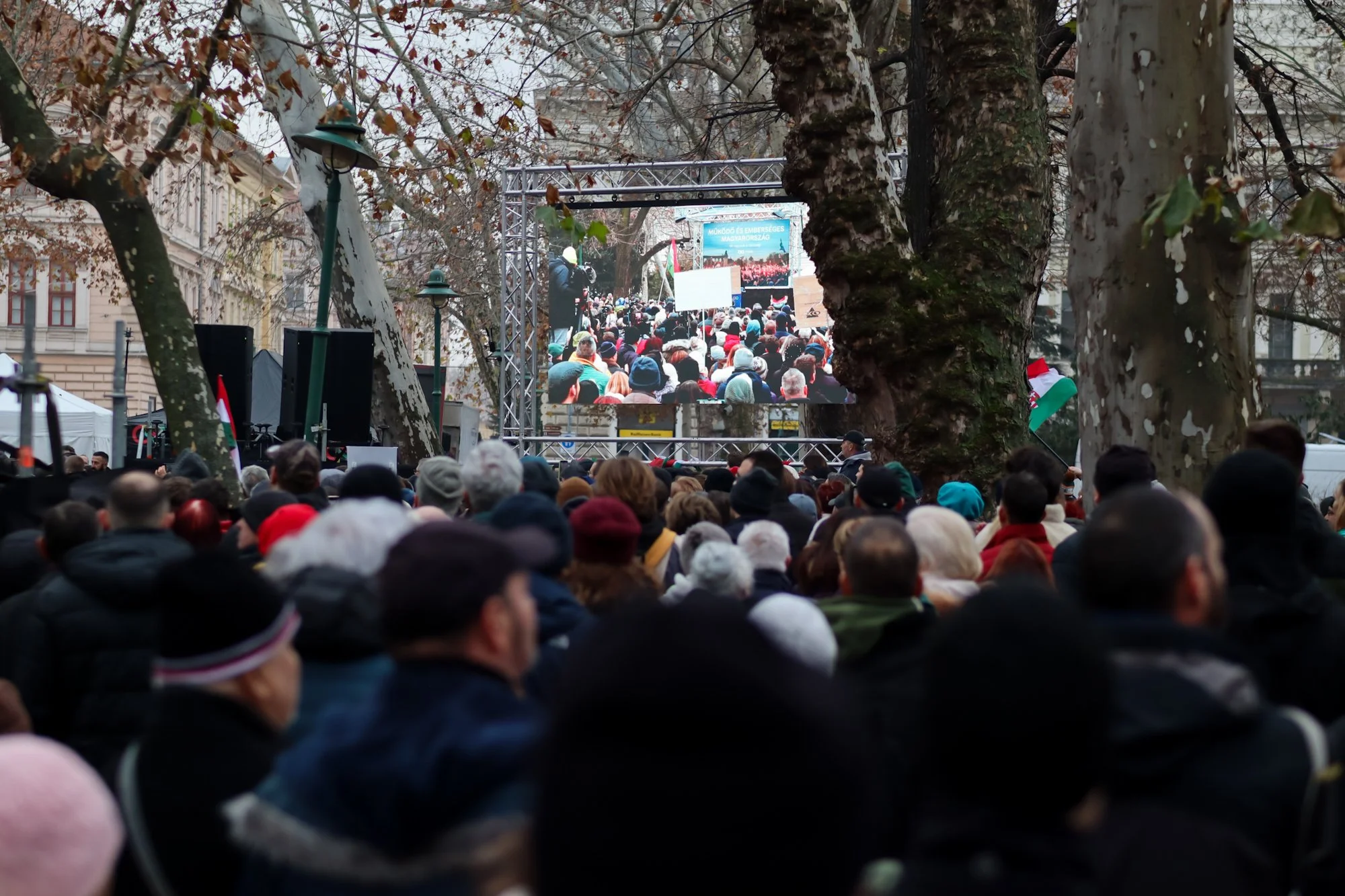
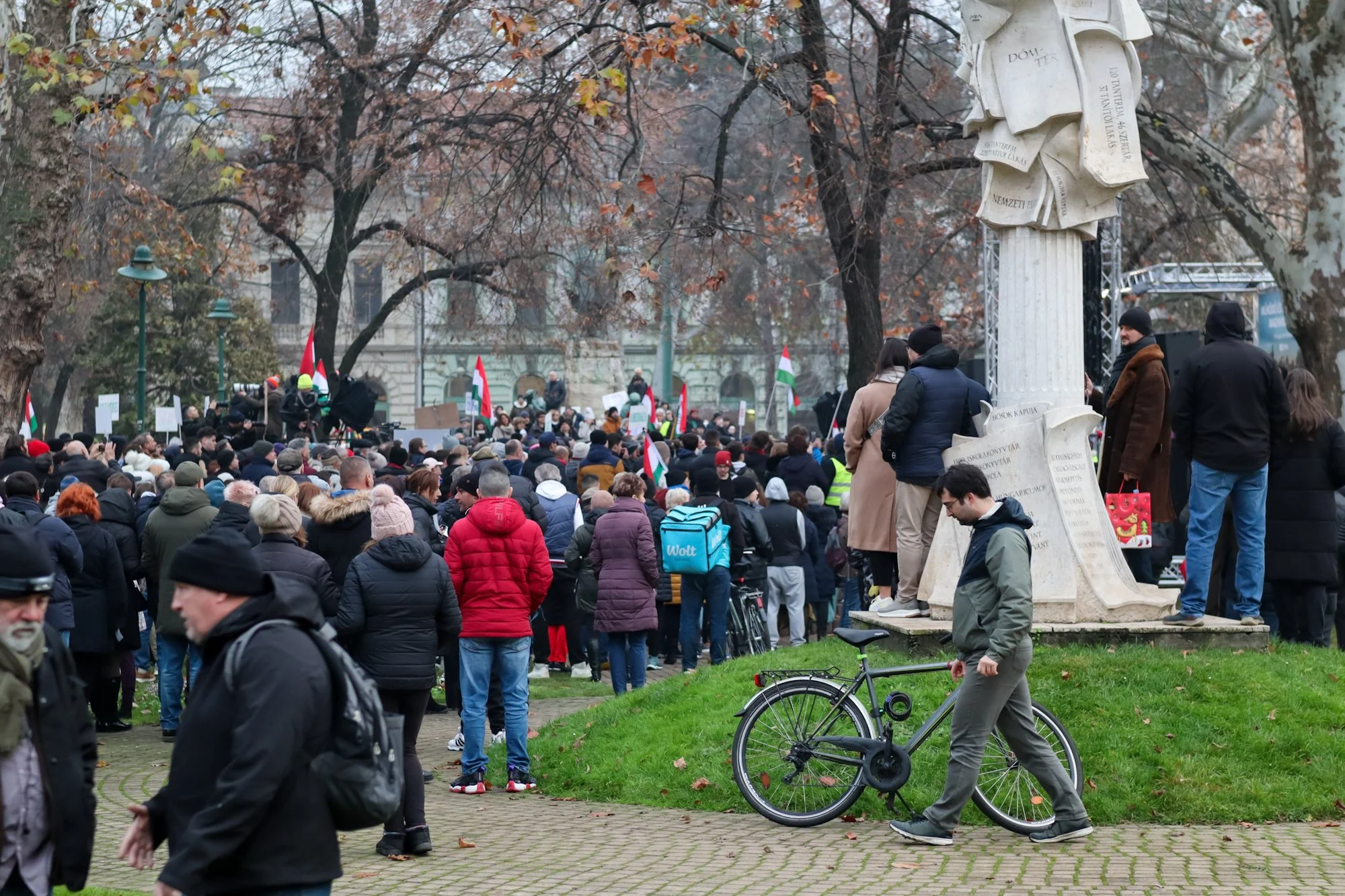
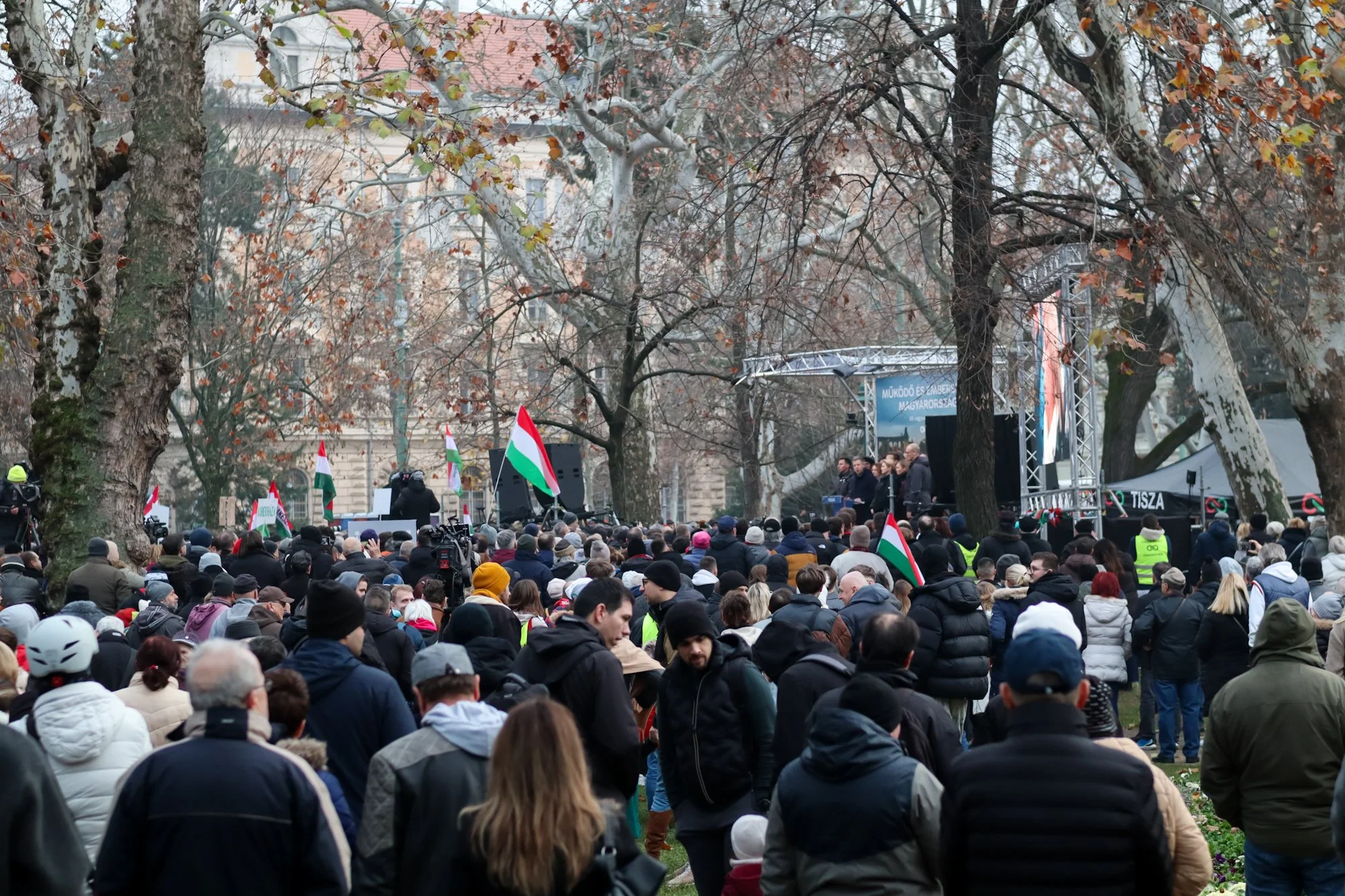
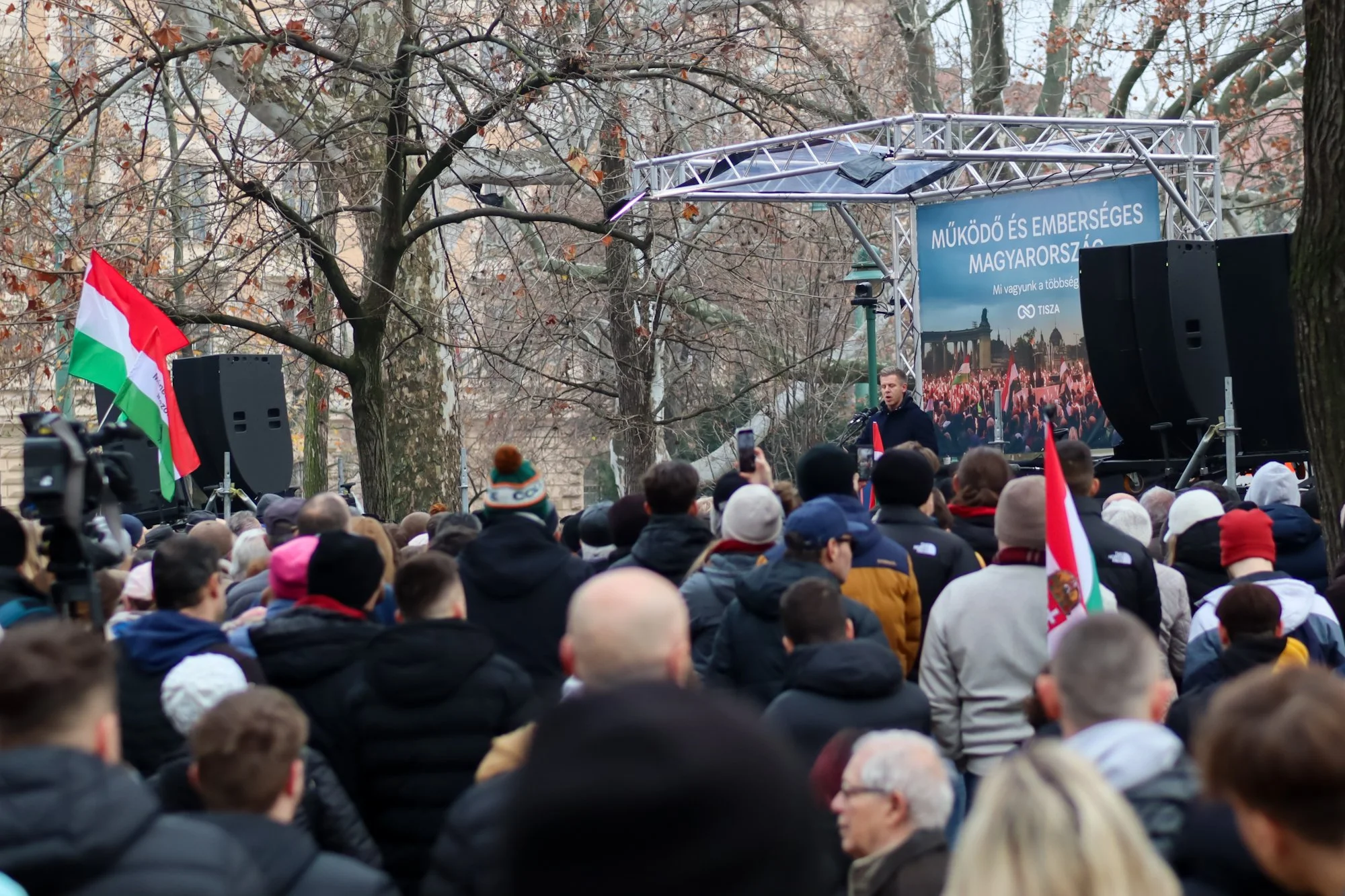
Magyar accused the government of betraying Hungarian communities abroad by aligning with nationalist leaders in neighboring countries and warned against threats to minority rights, including the legacy of the post–World War II Beneš decrees. He announced the launch of an informational website, “Szavazz haza” (“Vote home”), aimed at helping Hungarians living abroad understand and exercise their voting rights.
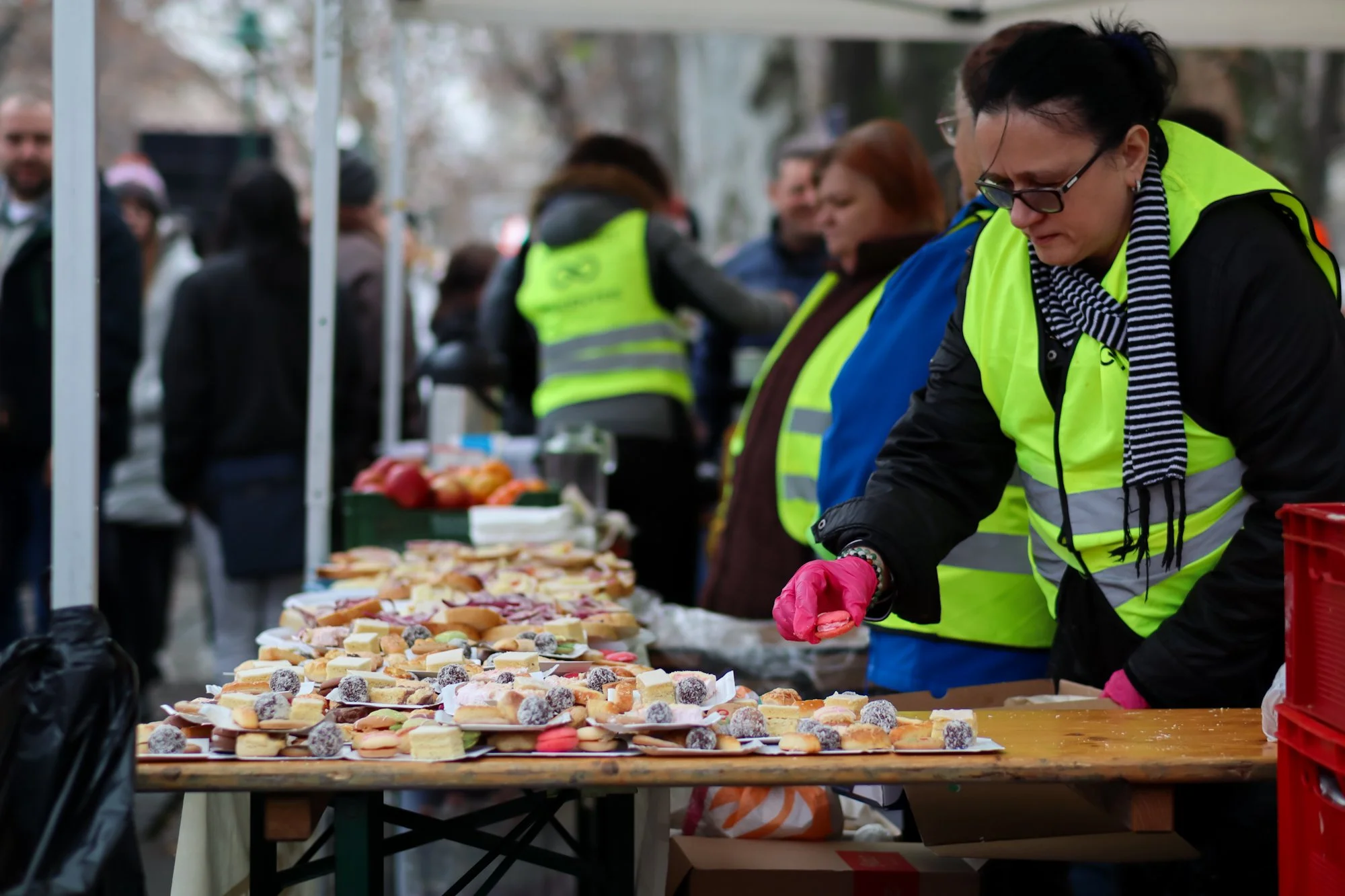
During the event, sandwiches, warm tea, and even food parcels for those in need were handed out, and Tisza Party merchandise was available for purchase.
The rally concluded with Magyar reciting a poem by Hungarian poet Endre Ady.
Magyar has been touring Hungary since early 2024, with the stated goal of visiting every municipality before the next parliamentary elections. His events have frequently been scheduled to coincide with government-backed rallies in the same cities, underscoring the deep political polarization ahead of the 2026 vote.
Photos: Szilvia Molnar / Szegedify
