Szeged marks St. Stephen’s Day with ceremonies, folk traditions, and fireworks
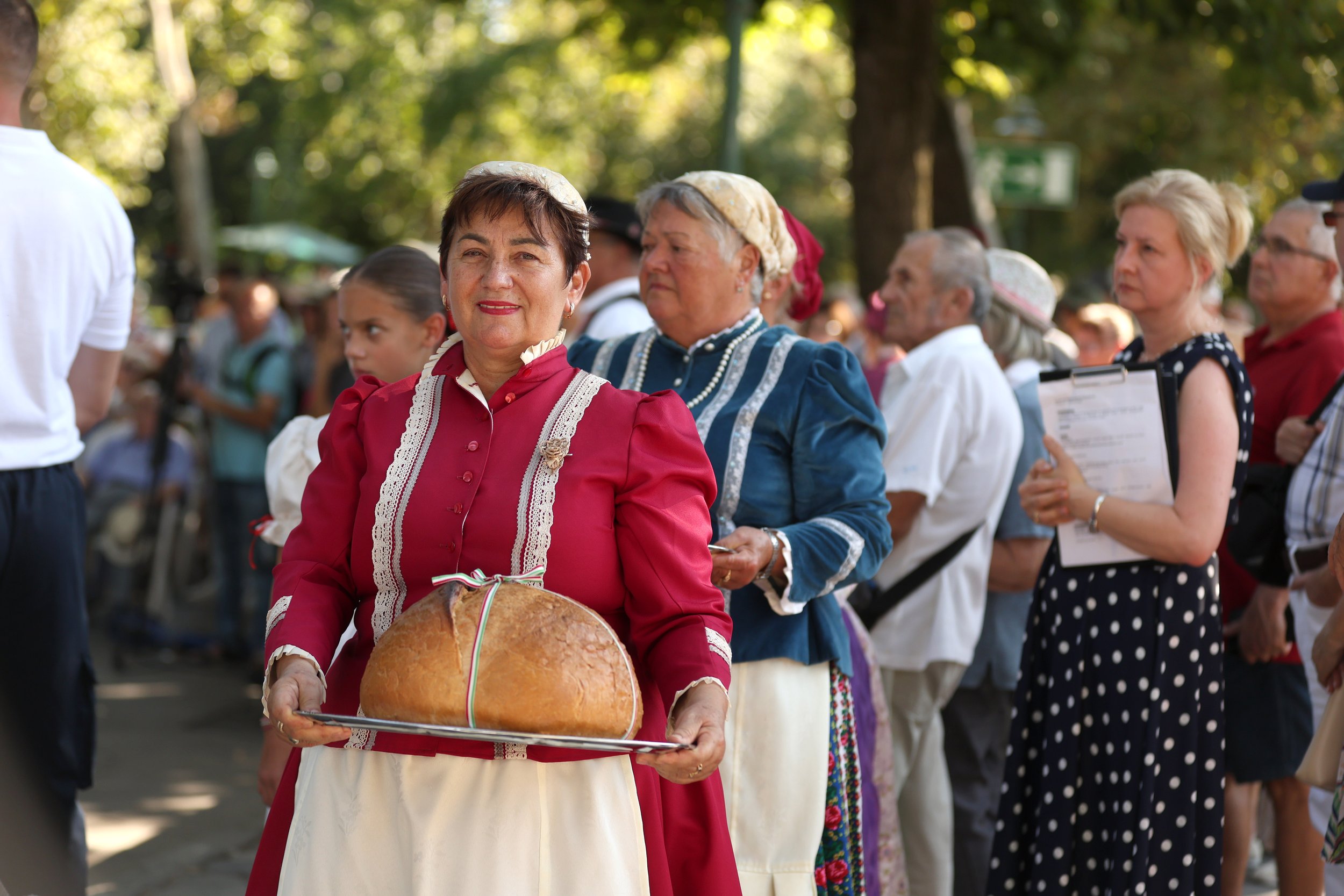
Szeged marked Hungary’s Aug. 20 national holiday Thursday with a day of ceremonies, folk traditions, music and dance, culminating in a fireworks display over the city center.
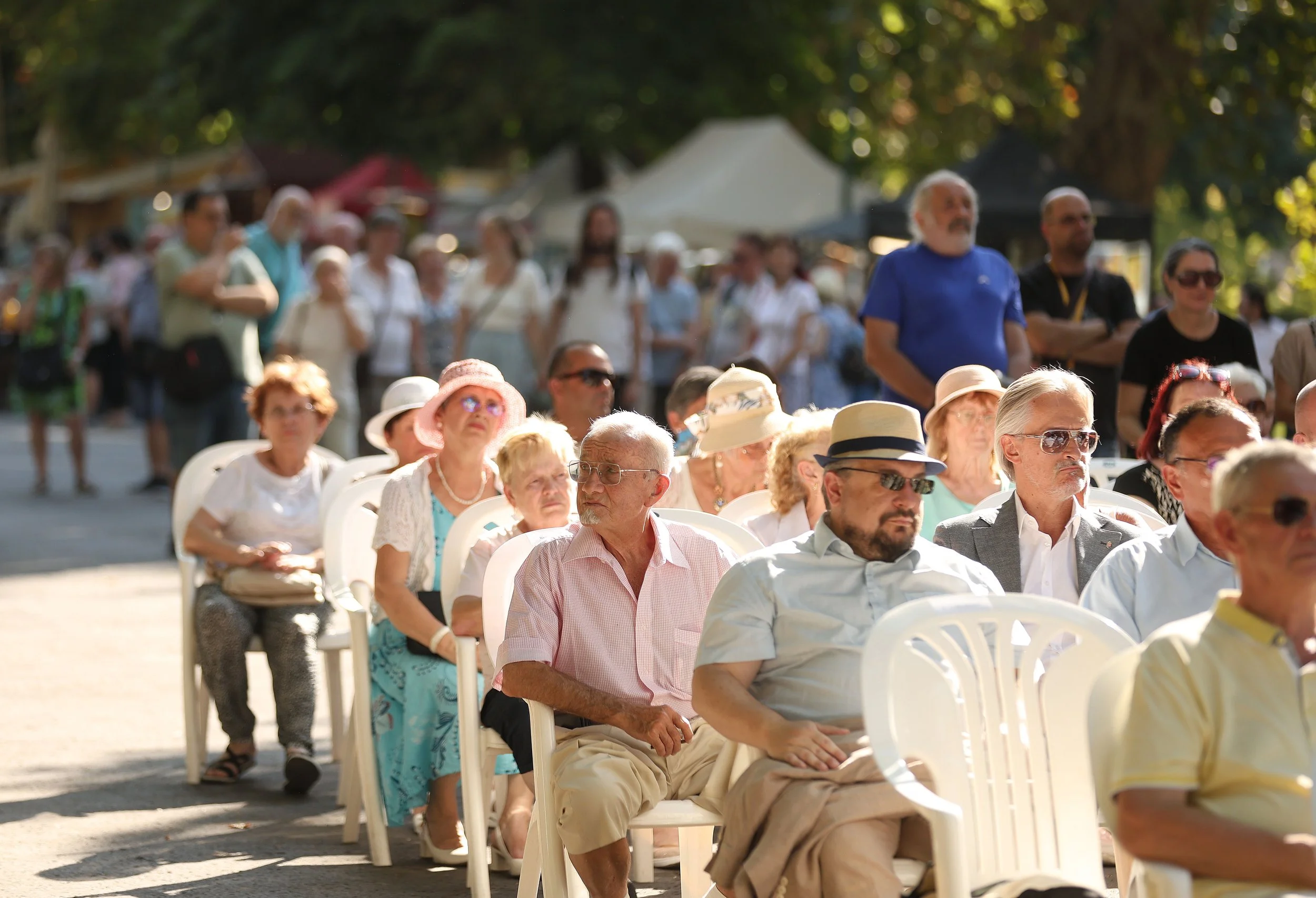
The celebrations on Széchenyi Square commemorated the founding of the Hungarian state and King St. Stephen, Hungary’s first king. The official ceremony included folk dance and poetry performances, the traditional blessing of the new bread, and a wreath-laying ceremony, while concerts and other programs continued into the evening.
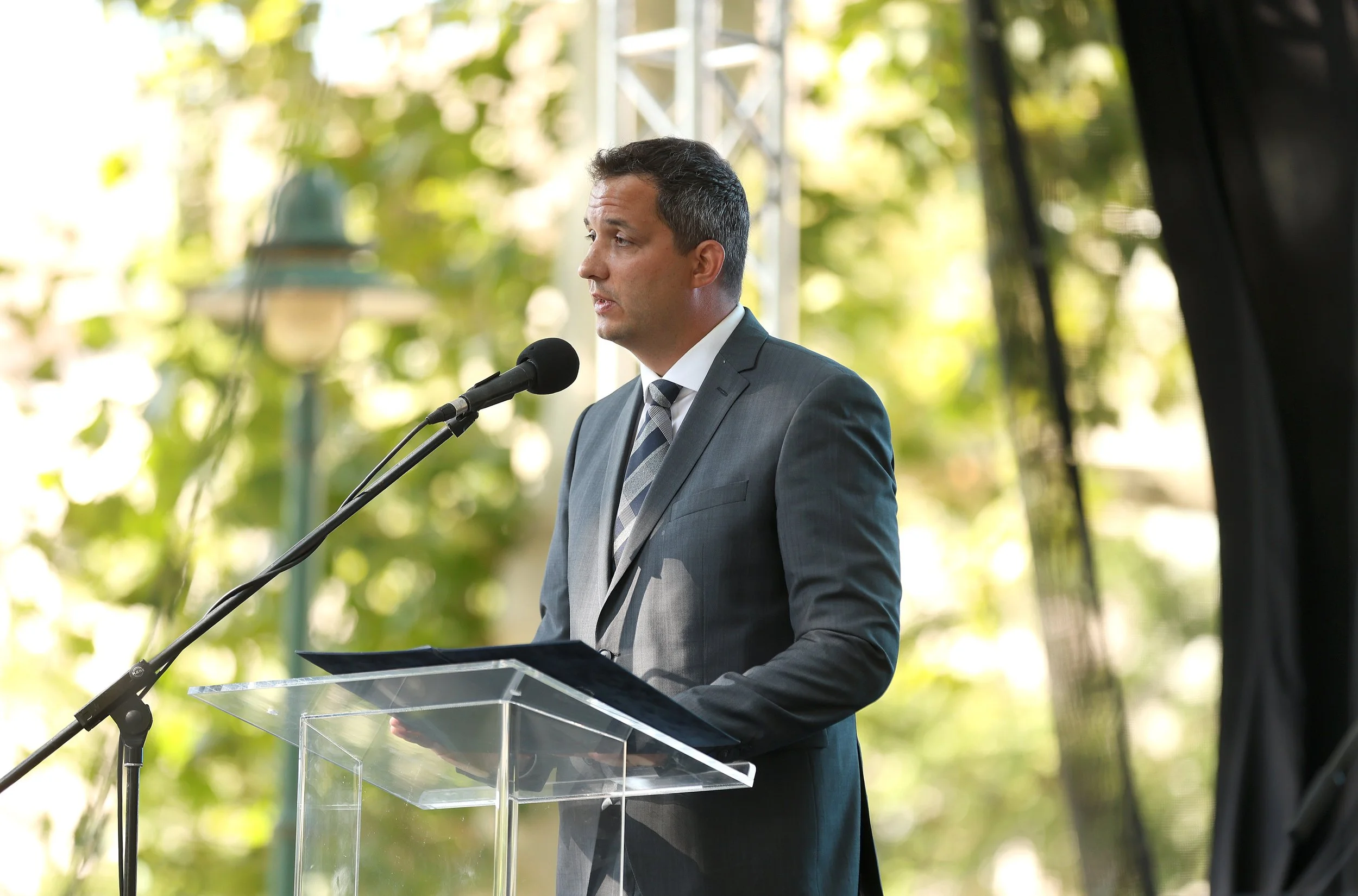
Deputy Mayor for Economic Affairs Tamás Kovács delivered the city’s ceremonial address, focusing on St. Stephen’s legacy and the decisions that shaped Hungary’s development more than 1,000 years ago.
Kovács said St. Stephen had correctly recognized that the future of the Hungarian people lay in Europe and turned toward Western Christianity, a decision that made Hungary part of Christian Europe and influenced the country’s course for centuries.
He also referred to St. Stephen’s Admonitions to his son, Prince Emeric, highlighting principles including justice, patience, compassion, listening to others, and accepting wise counsel. Kovács said those values remain relevant more than a millennium later.
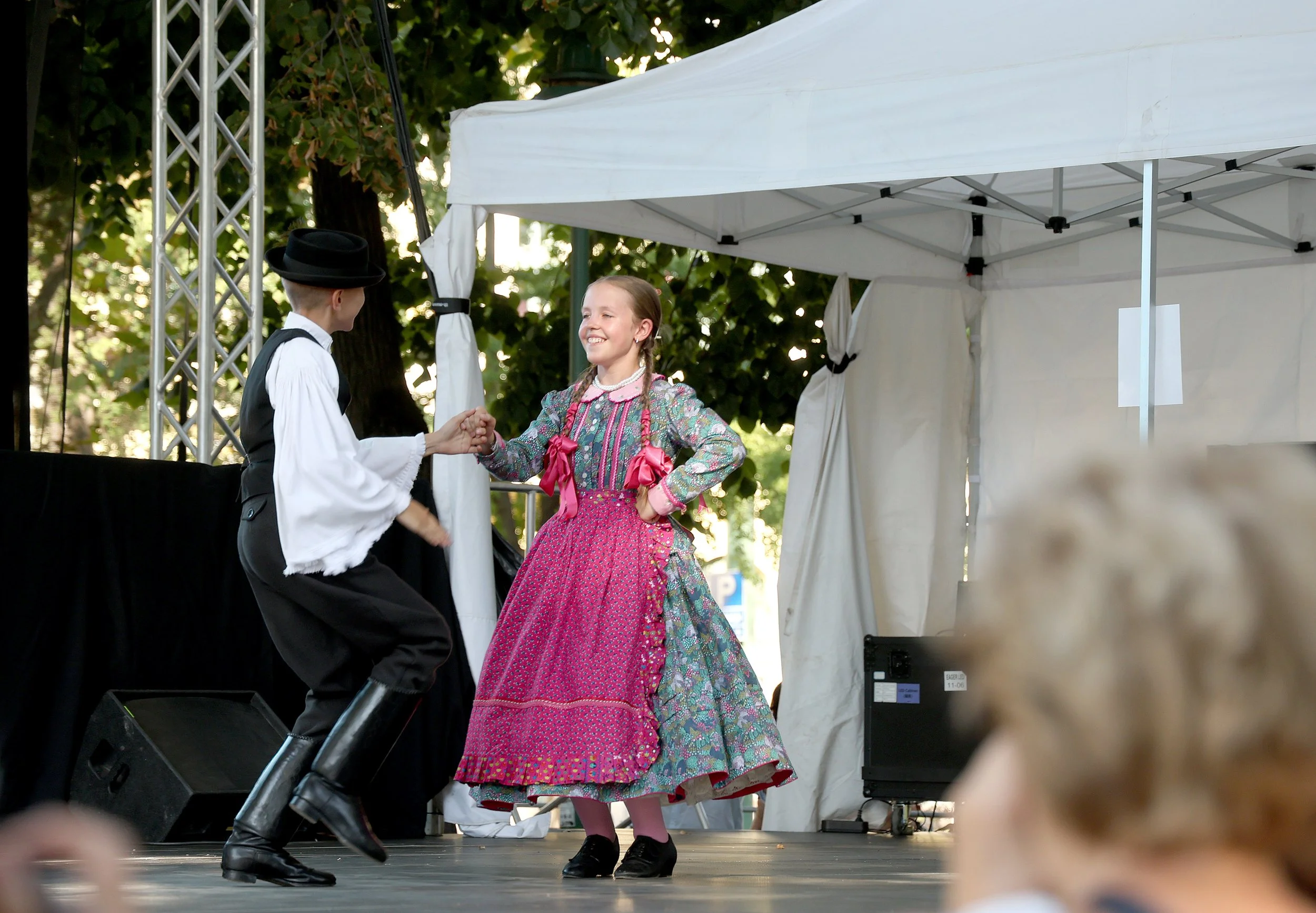
The official program began with music by the Ferenc Fricsay City Wind Orchestra, conducted by Zoltán Gyimóthy. Folk dance and poetry also featured prominently, with performers from the Tiszavirág Folk Dance Ensemble and actors from the Szegedi Pinceszínház taking part.
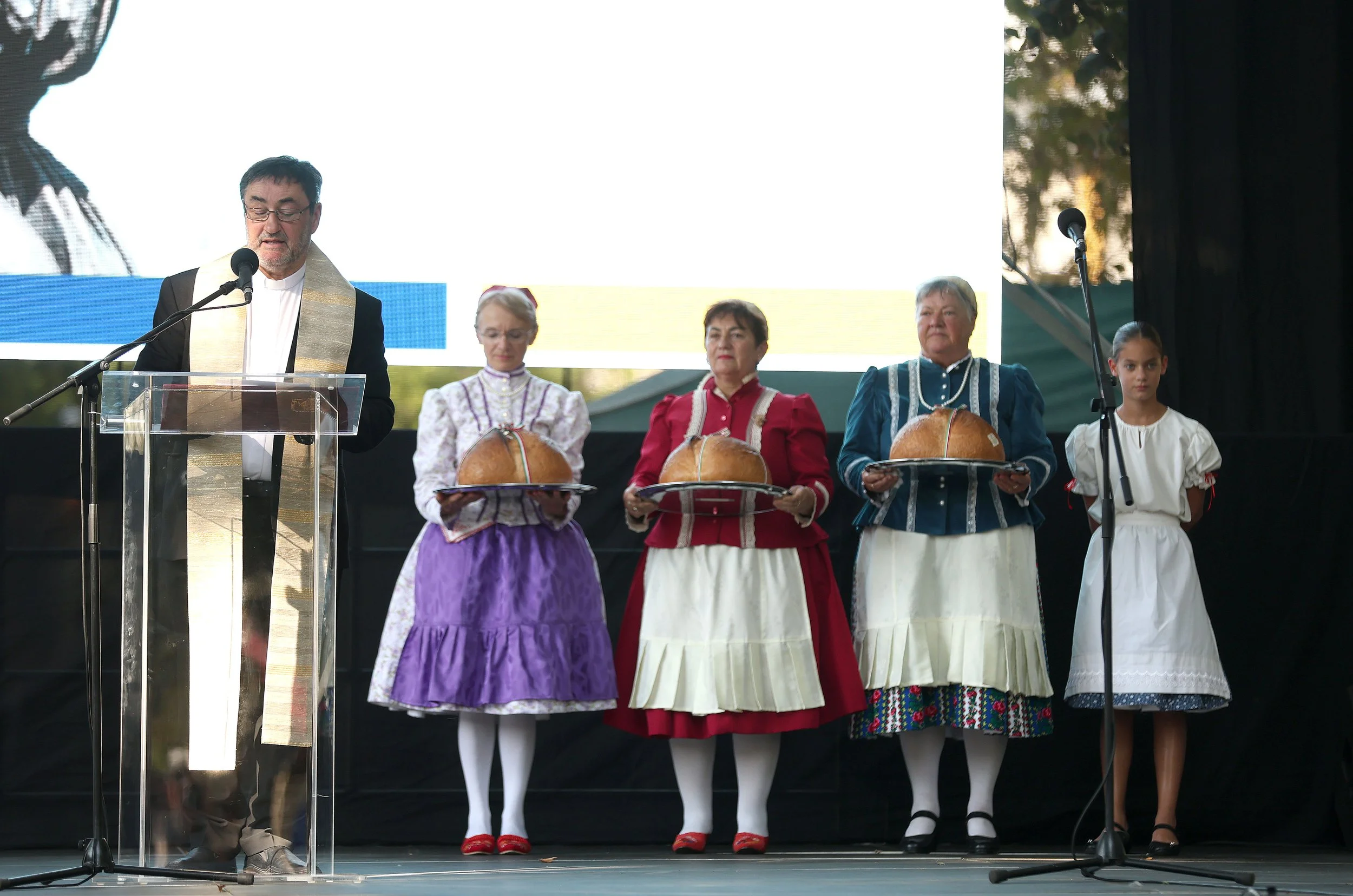
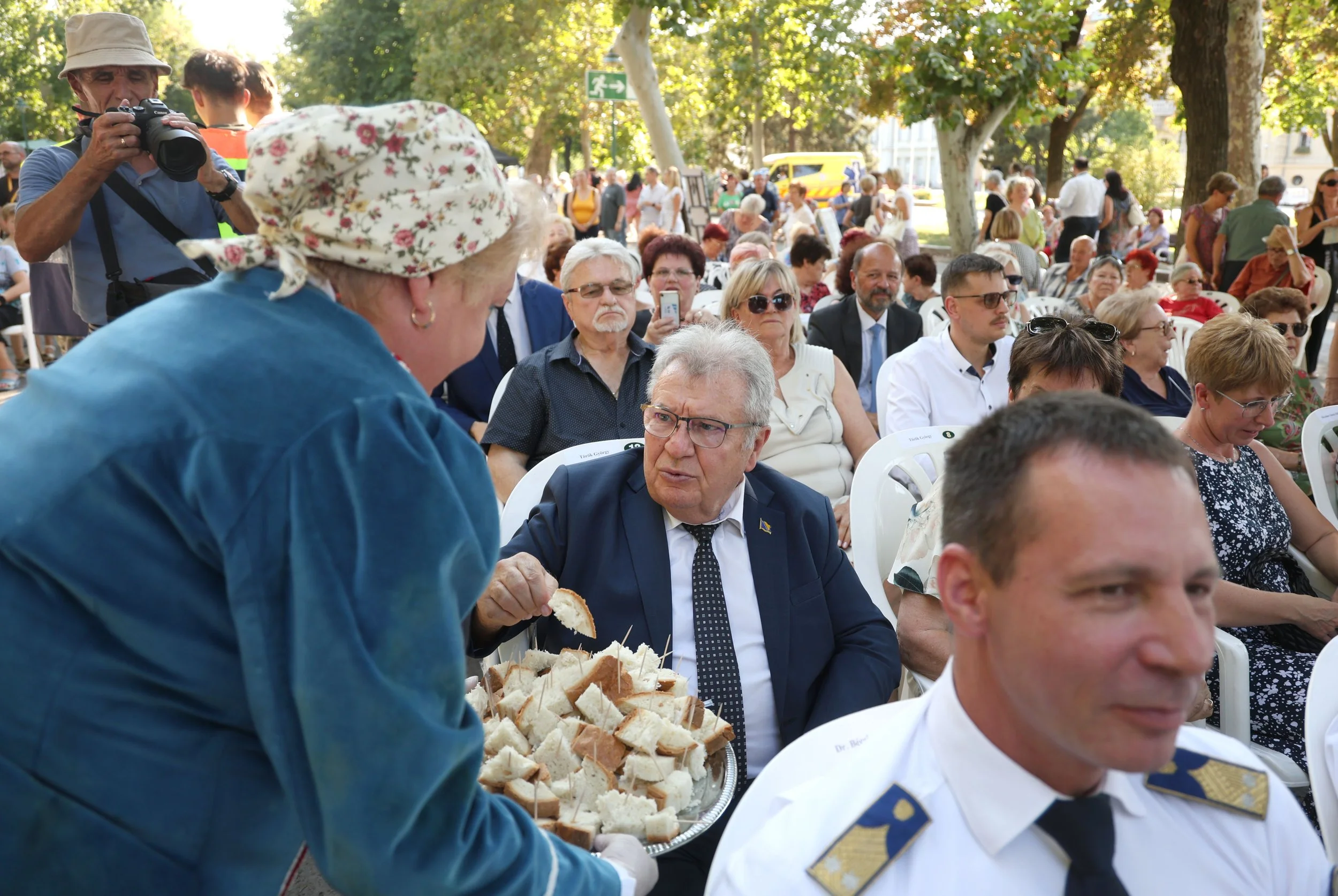
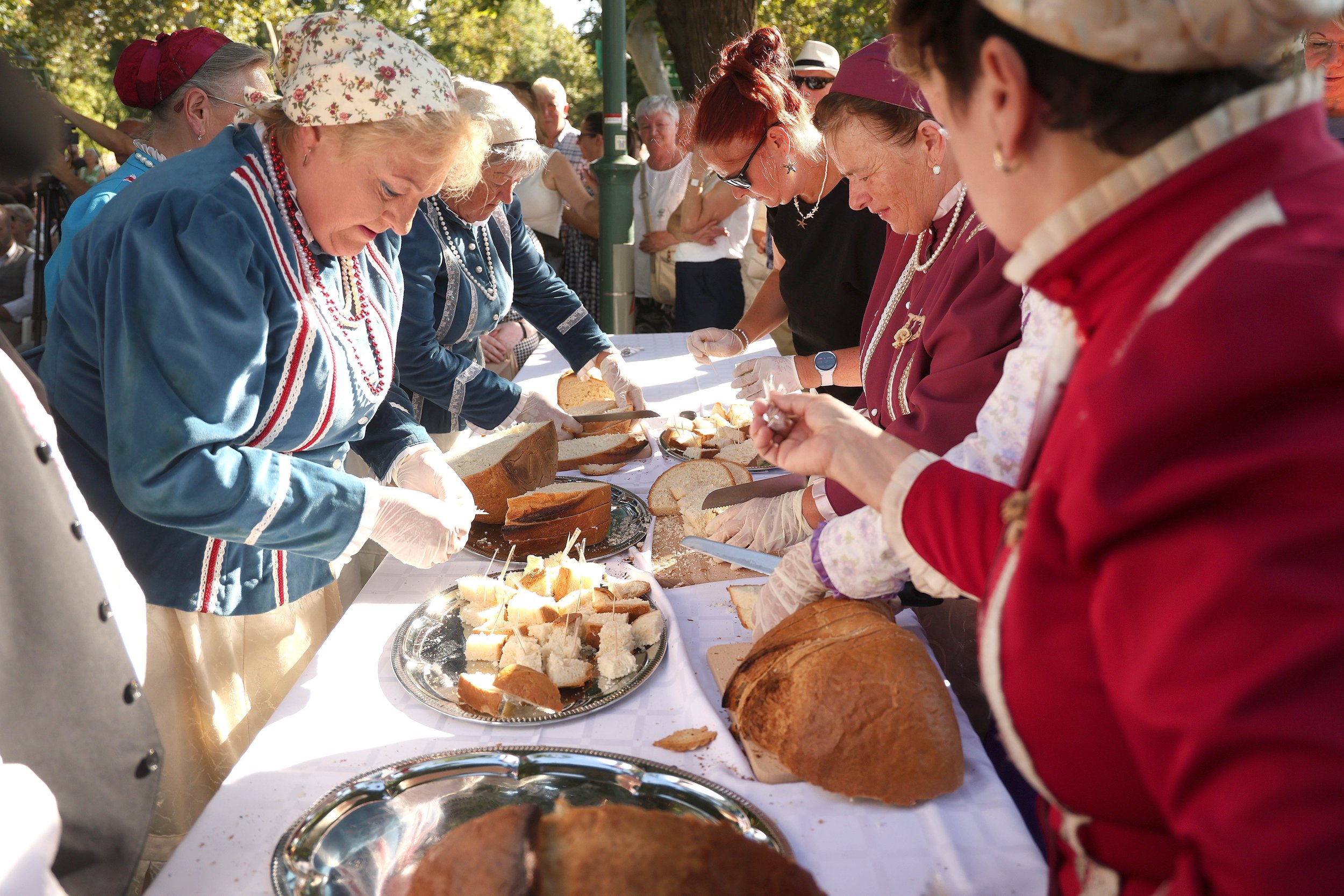
One of the central traditions of the Aug. 20 holiday was the blessing of the new bread. Lajos Kondé, episcopal vicar for pastoral affairs of the Diocese of Szeged-Csanád, blessed the loaves, which were carried forward by members of the Tápé Traditional Folk Ensemble.
Kondé described bread as more than food, calling it a symbol of life, hope, new beginnings, faith, and belonging. After the blessing, slices of the new bread were offered to those gathered on the square.
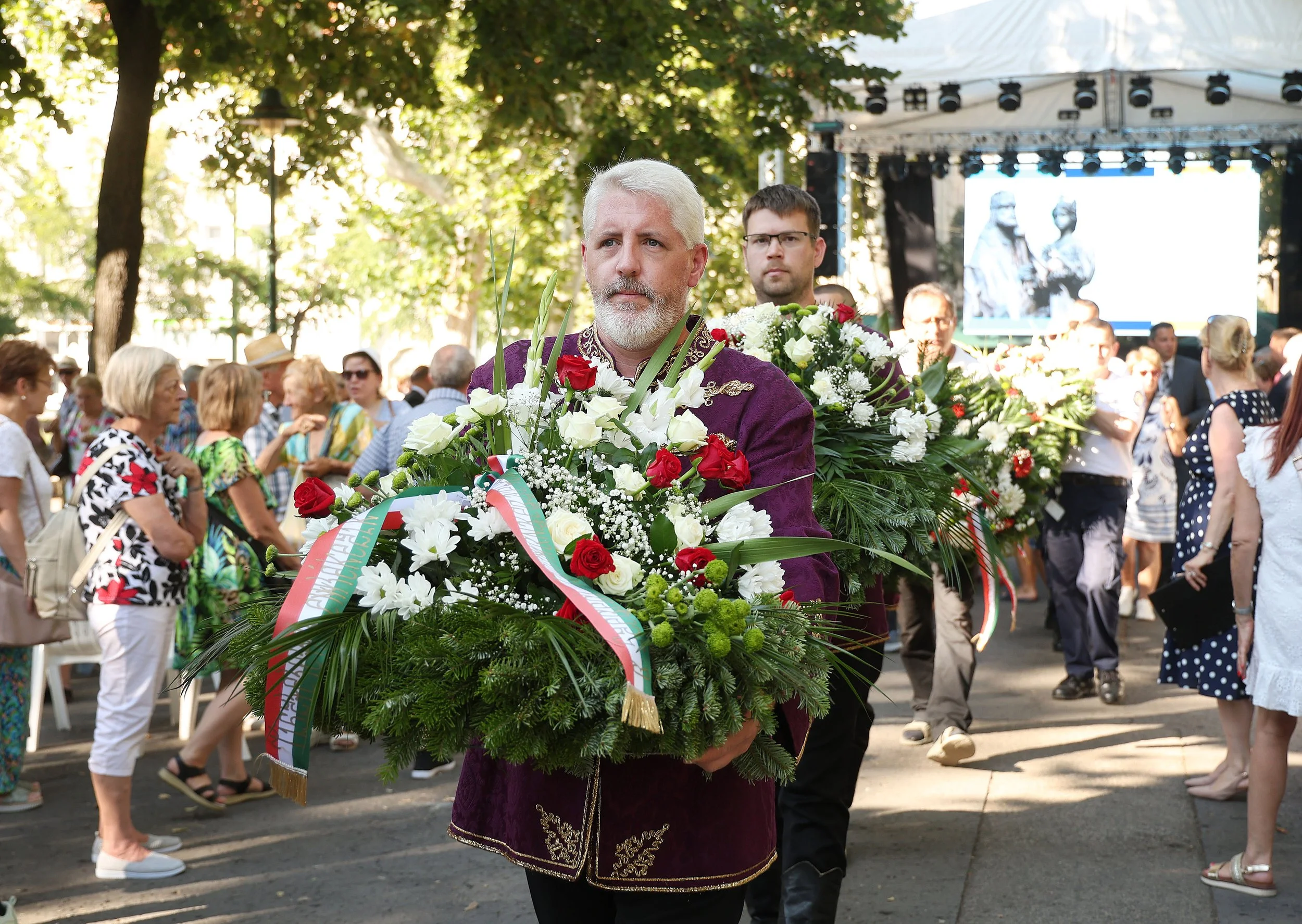
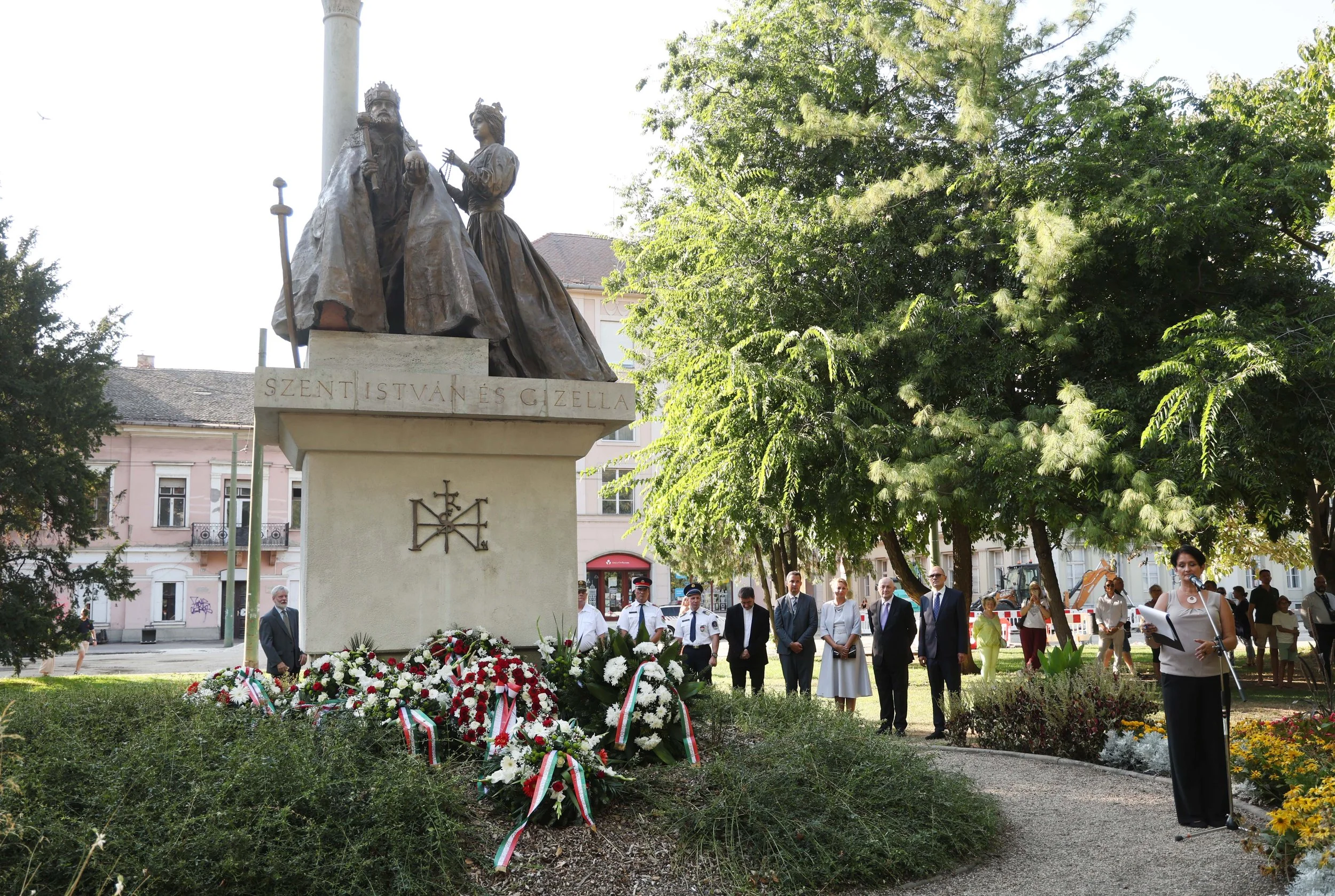
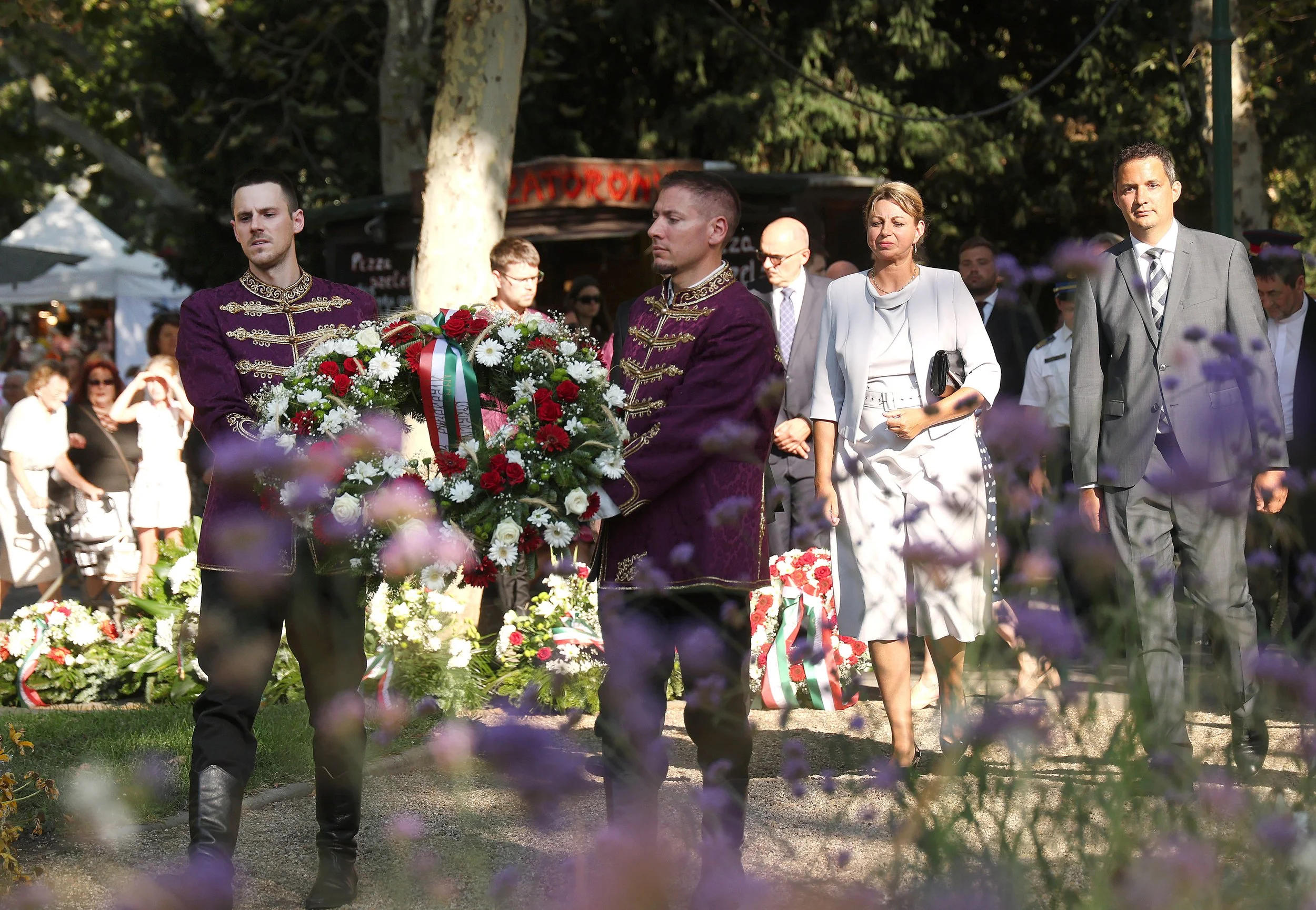
The commemoration continued at the statue of St. Stephen and Queen Gisela, where representatives of the city, the Diocese of Szeged-Csanád, the University of Szeged, law enforcement agencies, and the Hungarian Defence Forces laid wreaths.
The official ceremony concluded with the Szózat, one of Hungary’s national songs, but festivities continued on Széchenyi Square into the evening.
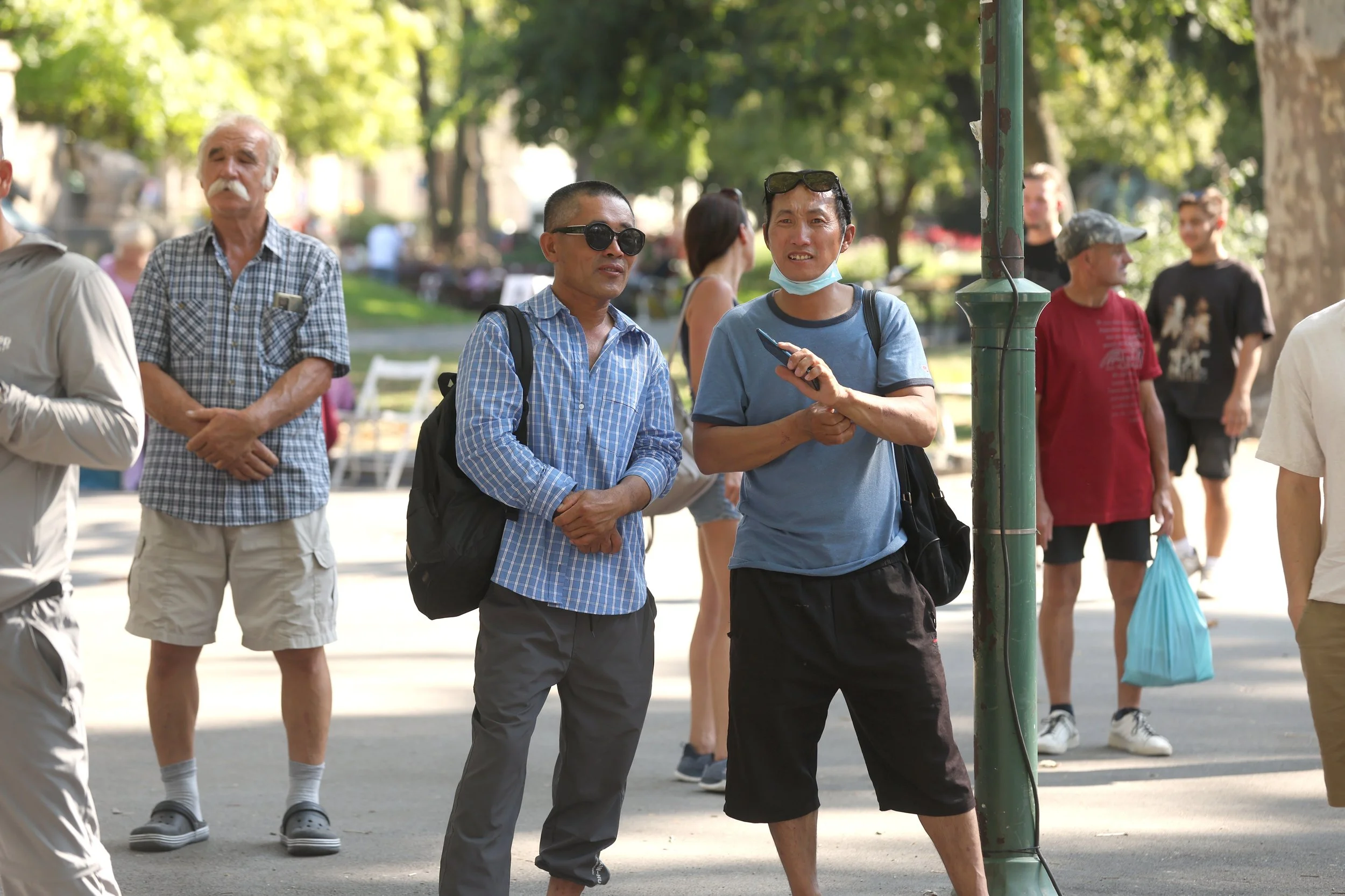
A concert by Hungarian band Soulwave preceded the final major event of the day. At 9 p.m., fireworks lit up the sky above downtown Szeged for several minutes, drawing spectators to Széchenyi Square.
Photos : Y.F.
