Dante in motion: Reimagining a medieval masterpiece
Inspired by Dante’s Divine Comedy, the Szeged Contemporary Dance Company, together with Italian artists, presents a three-part journey through hell, purgatory, and paradise.
To take a canonical literary text and reinterpret it through experimental art is the kind of challenge artists often embrace, even at the risk of drawing the ire of purists. There is usually a sense of anticipation around such projects, a curiosity about how familiar stories might unfold in unfamiliar forms. That anticipation was palpable in Szeged earlier this month as the Szeged Contemporary Dance Company premiered an interpretation of The Divine Comedy at the Kisszínház stage of the Szeged National Theatre, a three-part contemporary dance production inspired by the 14th century Italian poet Dante Alighieri’s journey through hell, purgatory, and paradise.
The ensemble performance, created in collaboration with the National Dance Theatre, marks the company’s 150th premiere in its more than three-decade history. Reflecting the troupe’s long-standing ties with Italian artists — about half the dancers are Italian — the three-part work interprets Dante’s medieval masterpiece through three sections, Hell, Purgatory, and Paradise, choreographed respectively by Giovanni Napoli, Thomas Martino, and Gergely Czár. Rather than attempting to stage Dante’s vast verse in narrative form, the creators hinge on it for inspiration to explore contemporary struggles of humans and the transformation that follows. At a press conference ahead of the premiere, ballet director András Pataki said the idea for the production emerged about a year ago. But as rehearsals only began in January, the artists were pressed for time. However, going by the standing ovation the premiere in Szeged received, the results were anything but rushed.
Chaos and the weight of the Earth
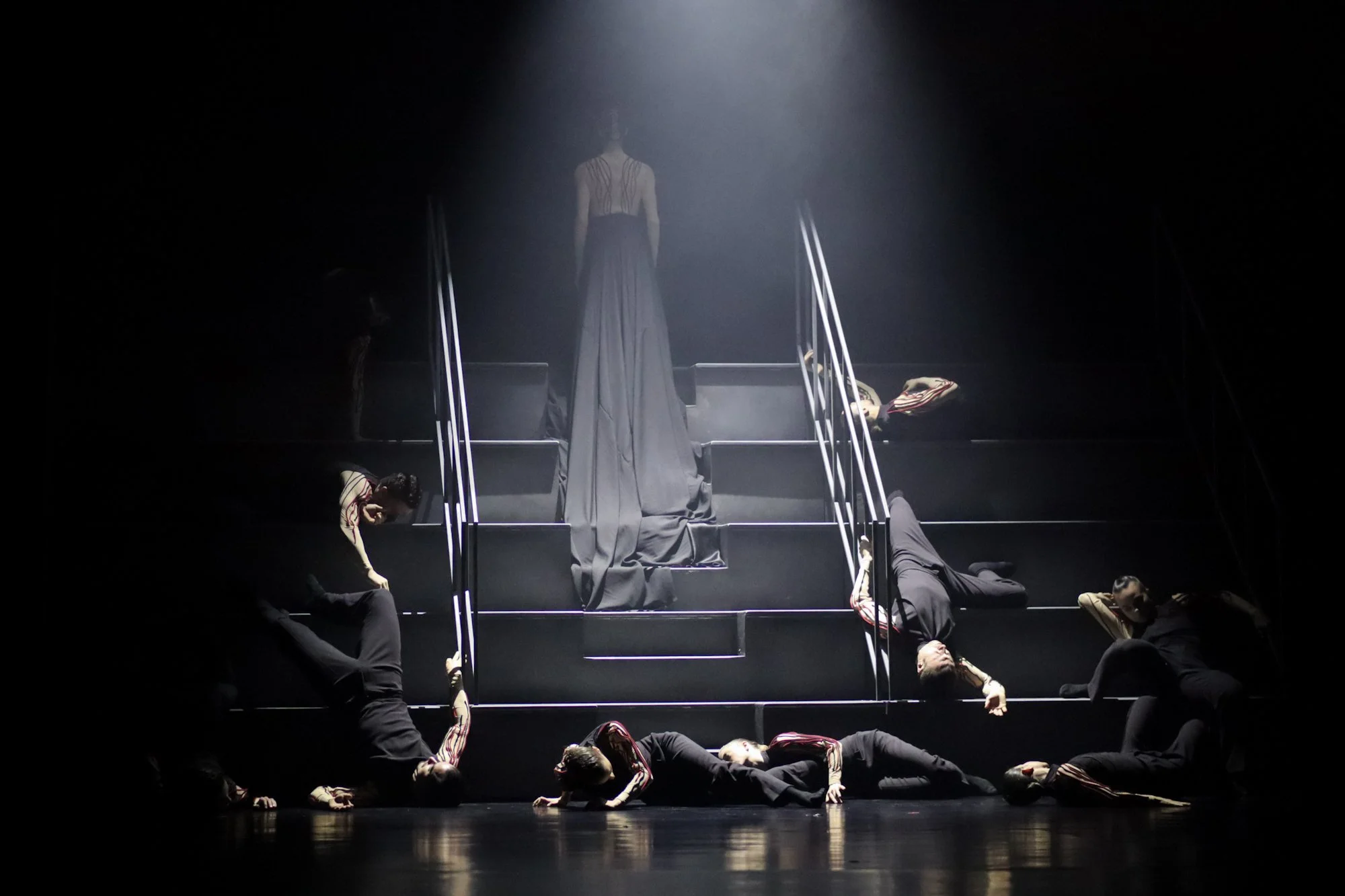
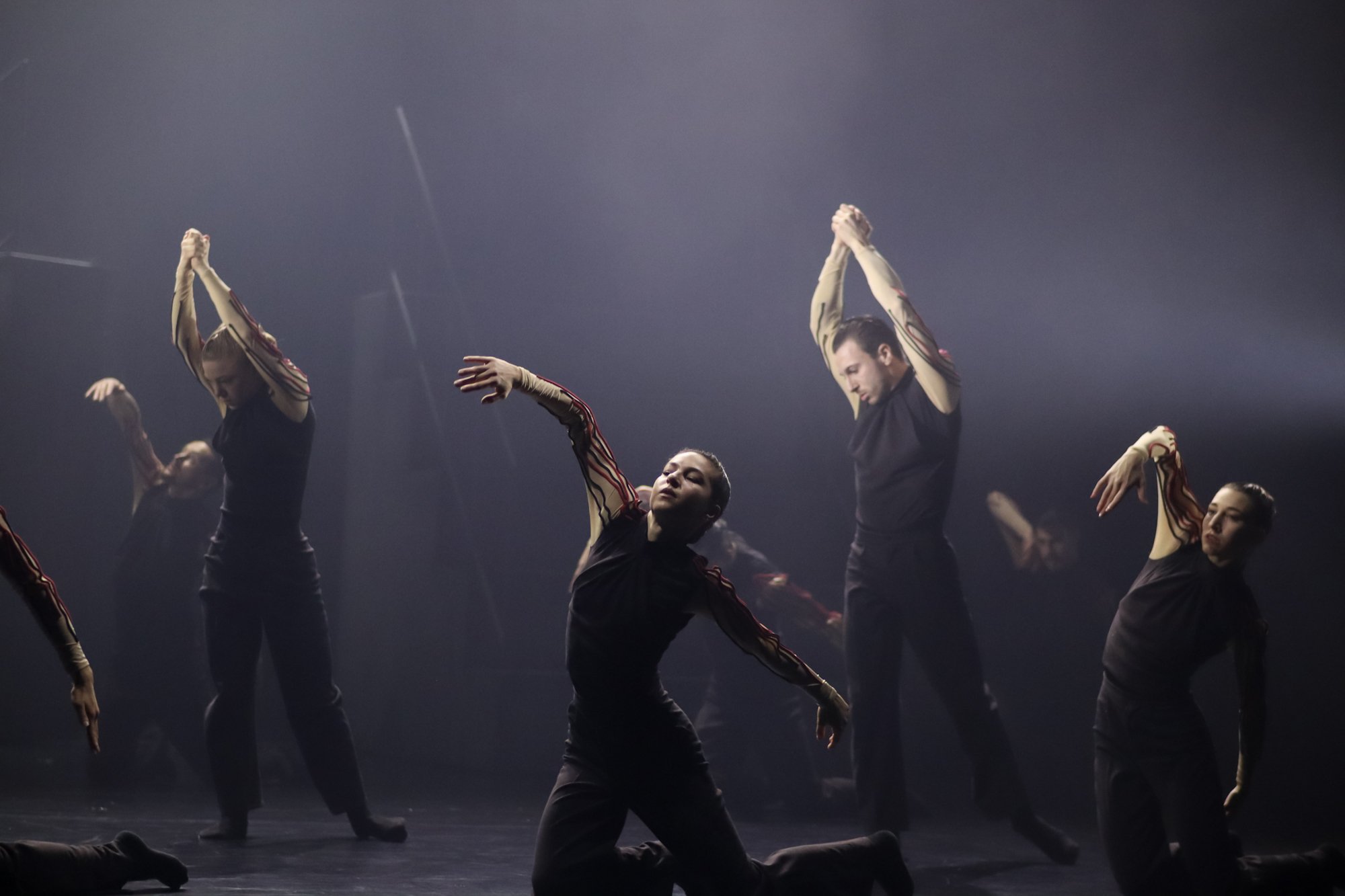
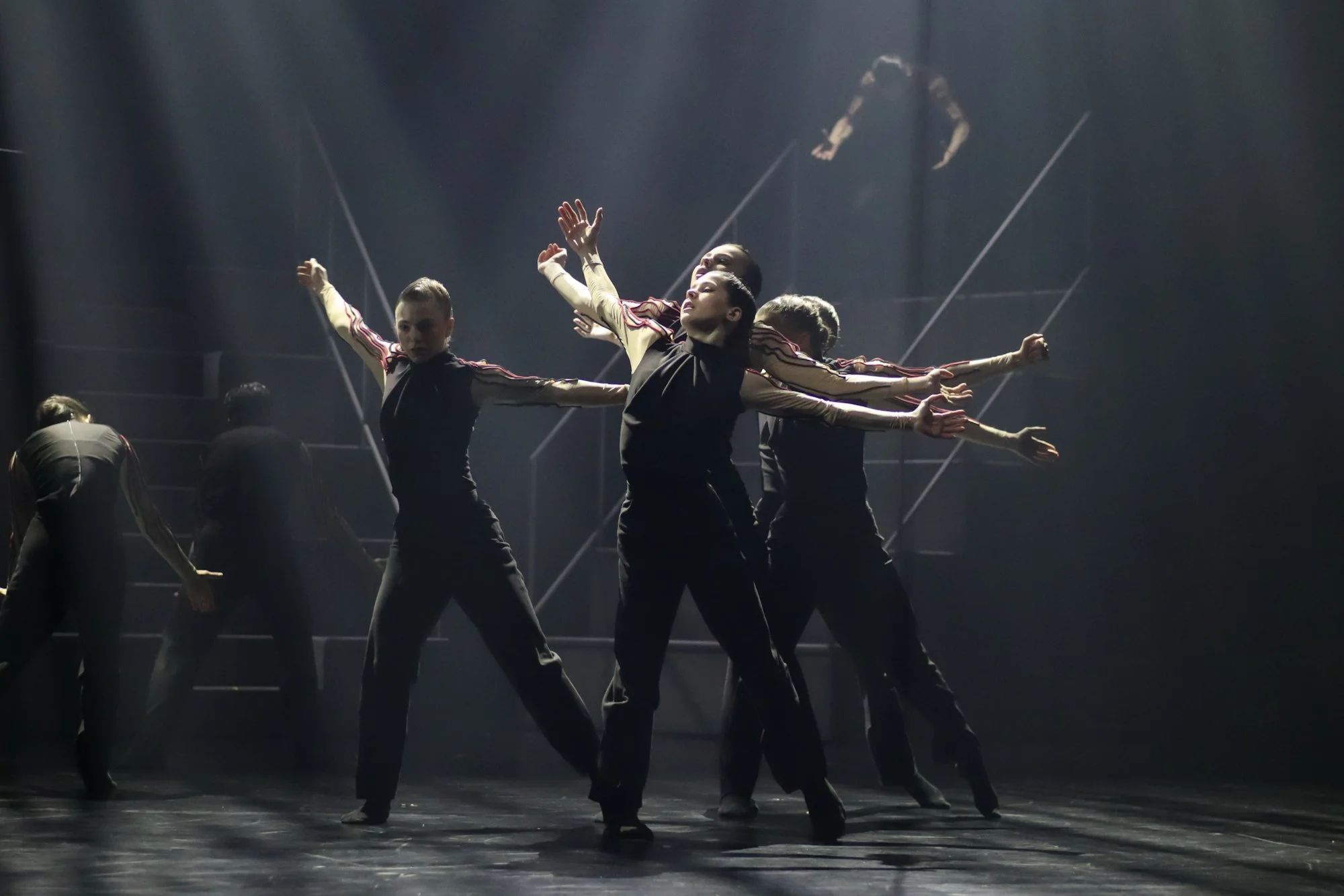
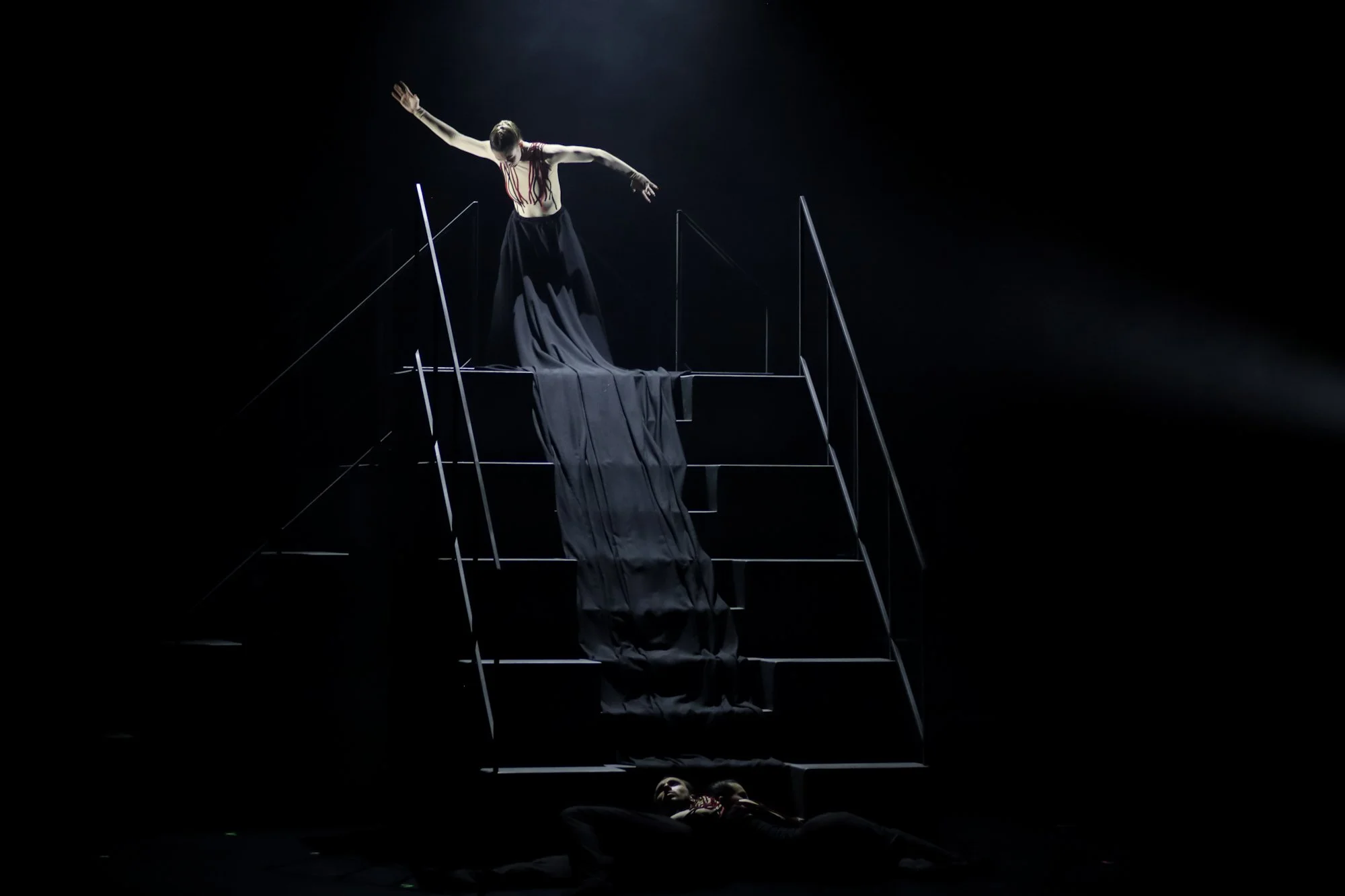
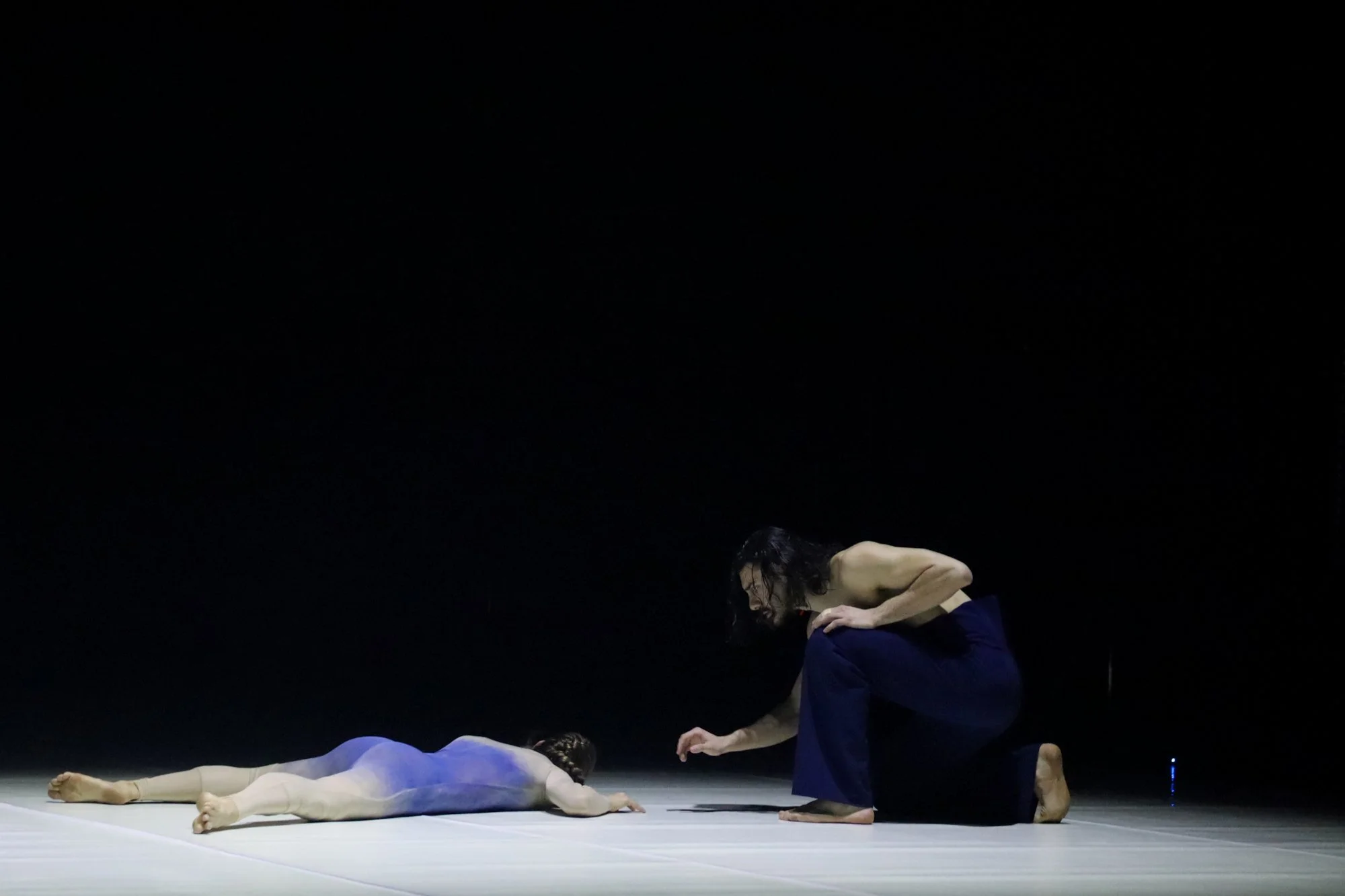
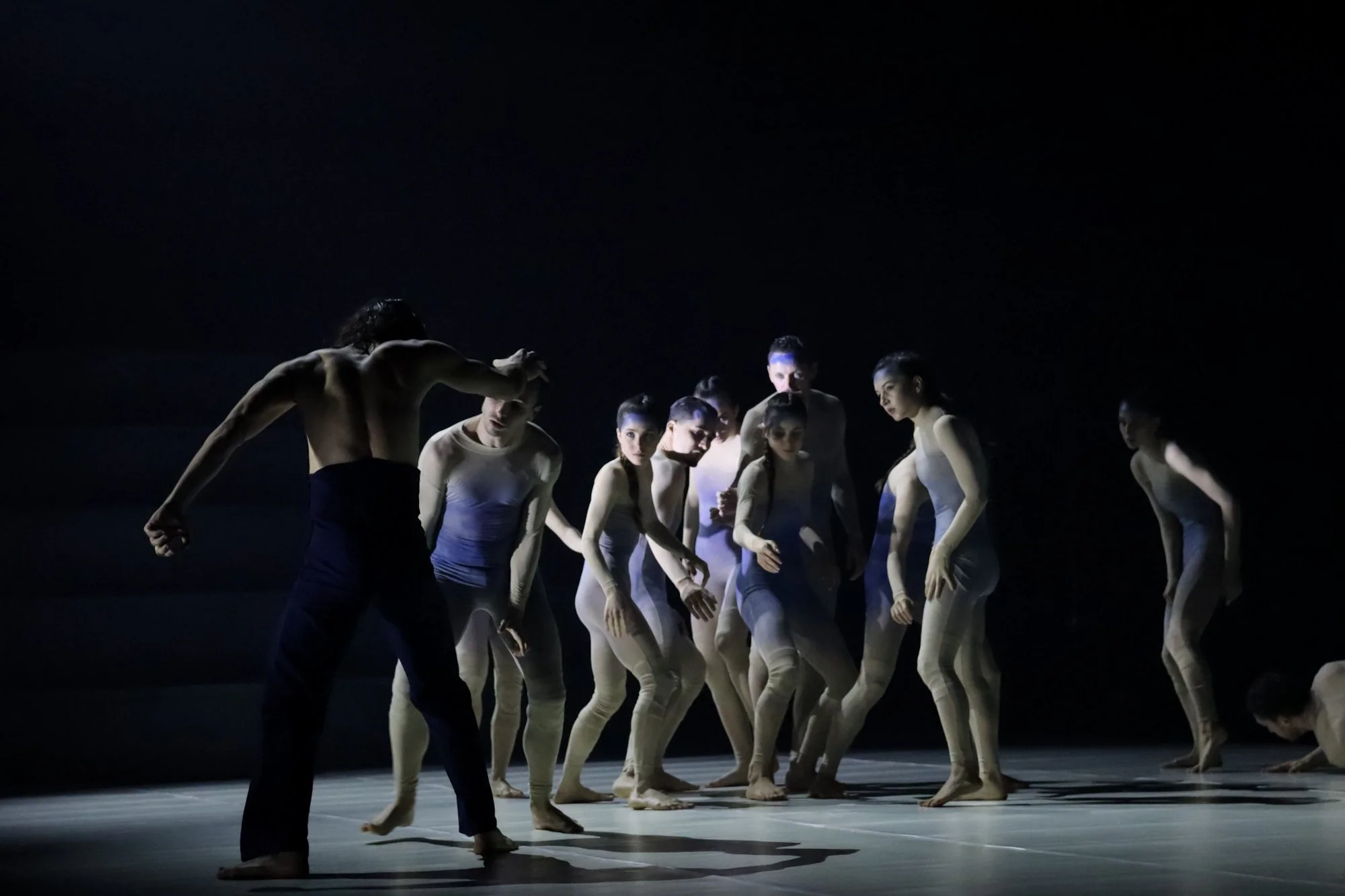
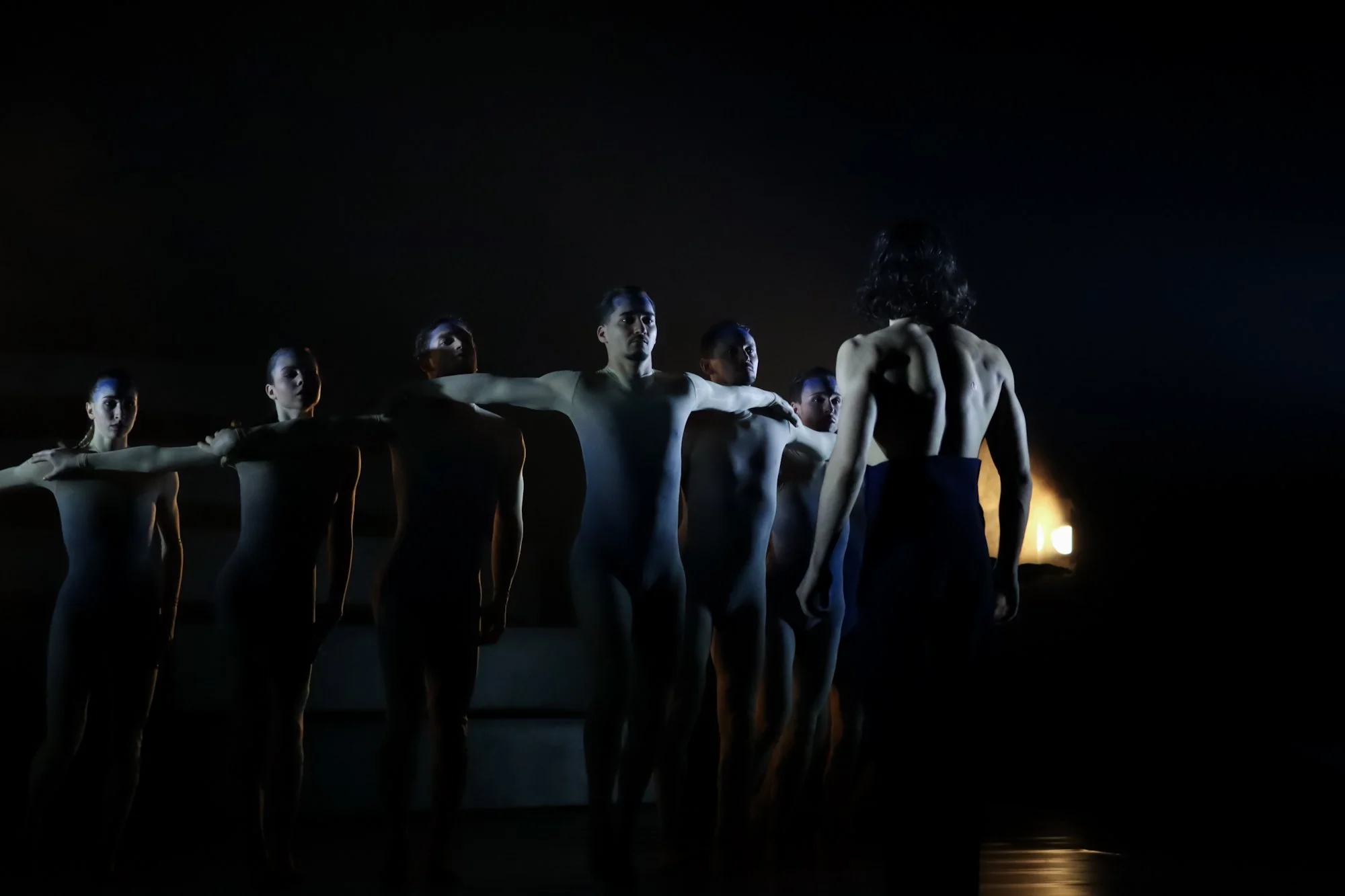
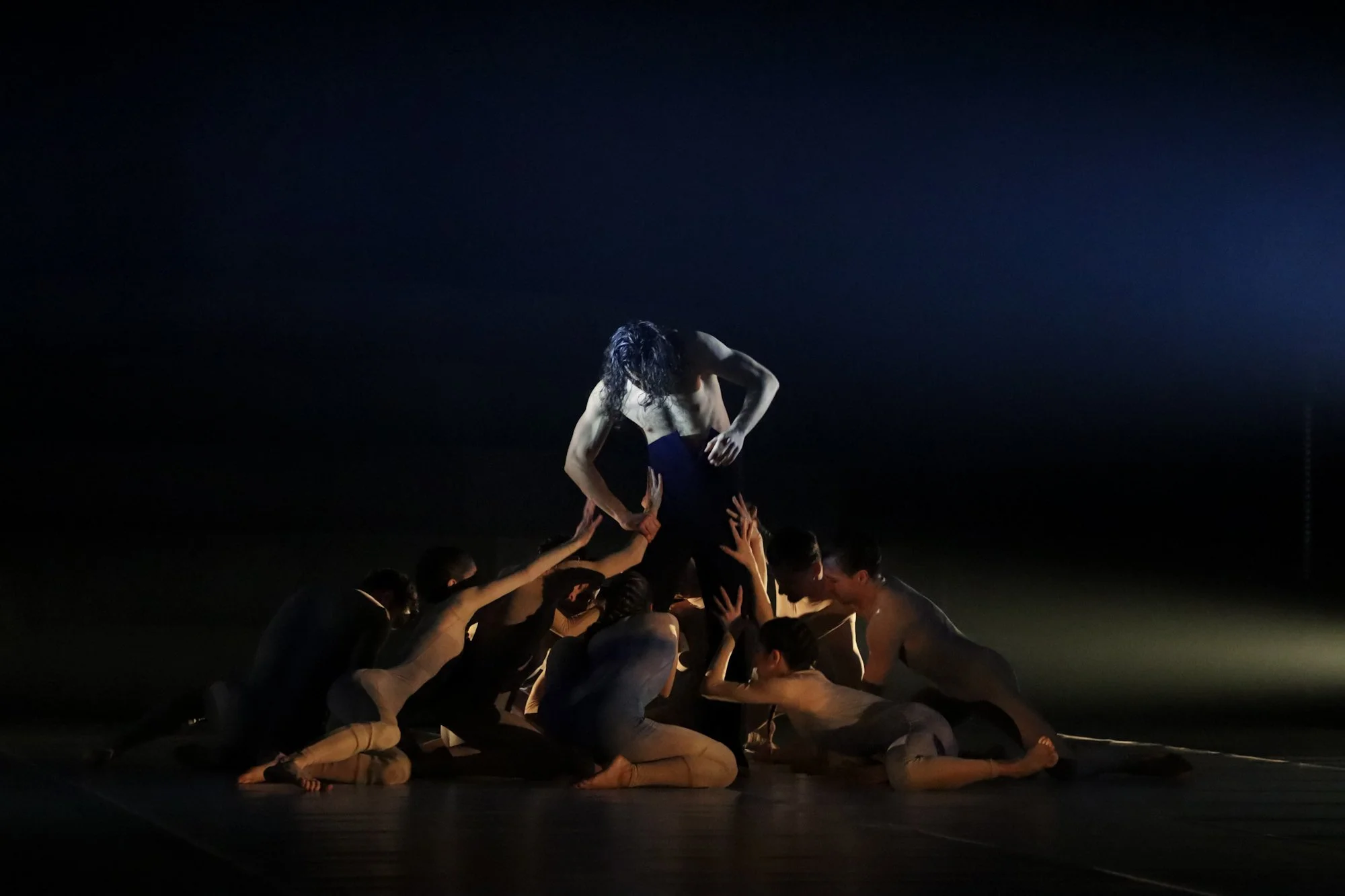
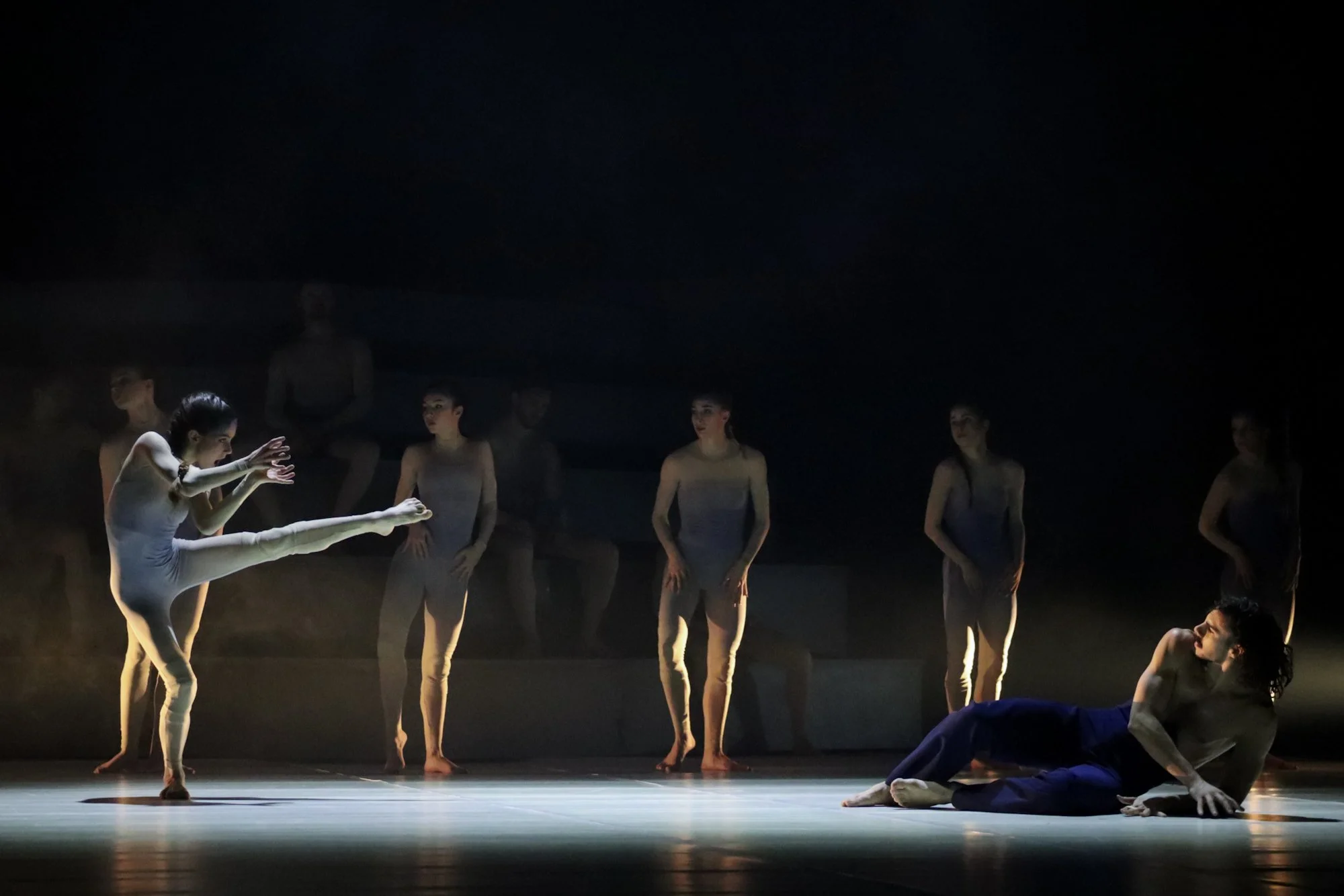
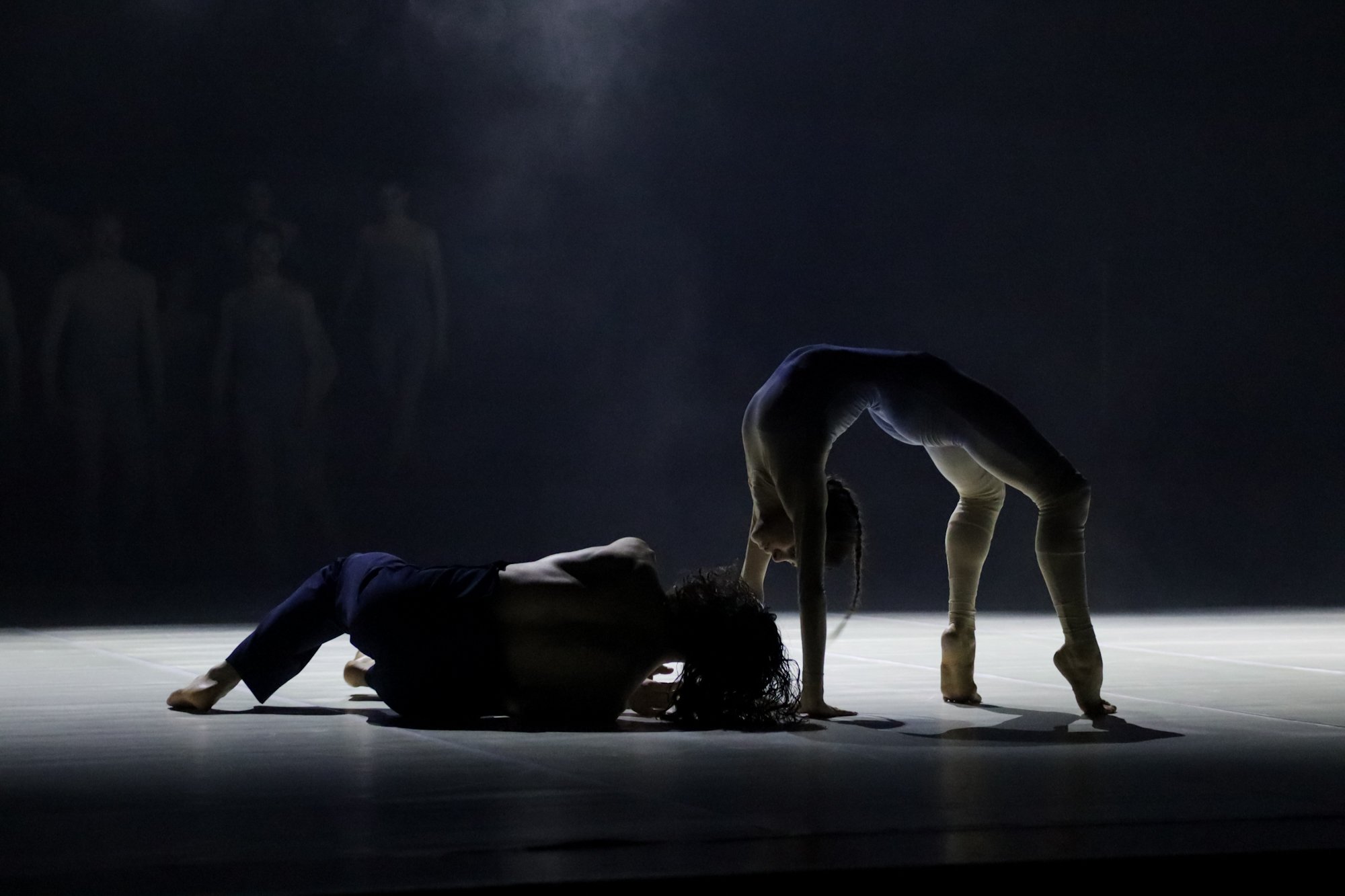
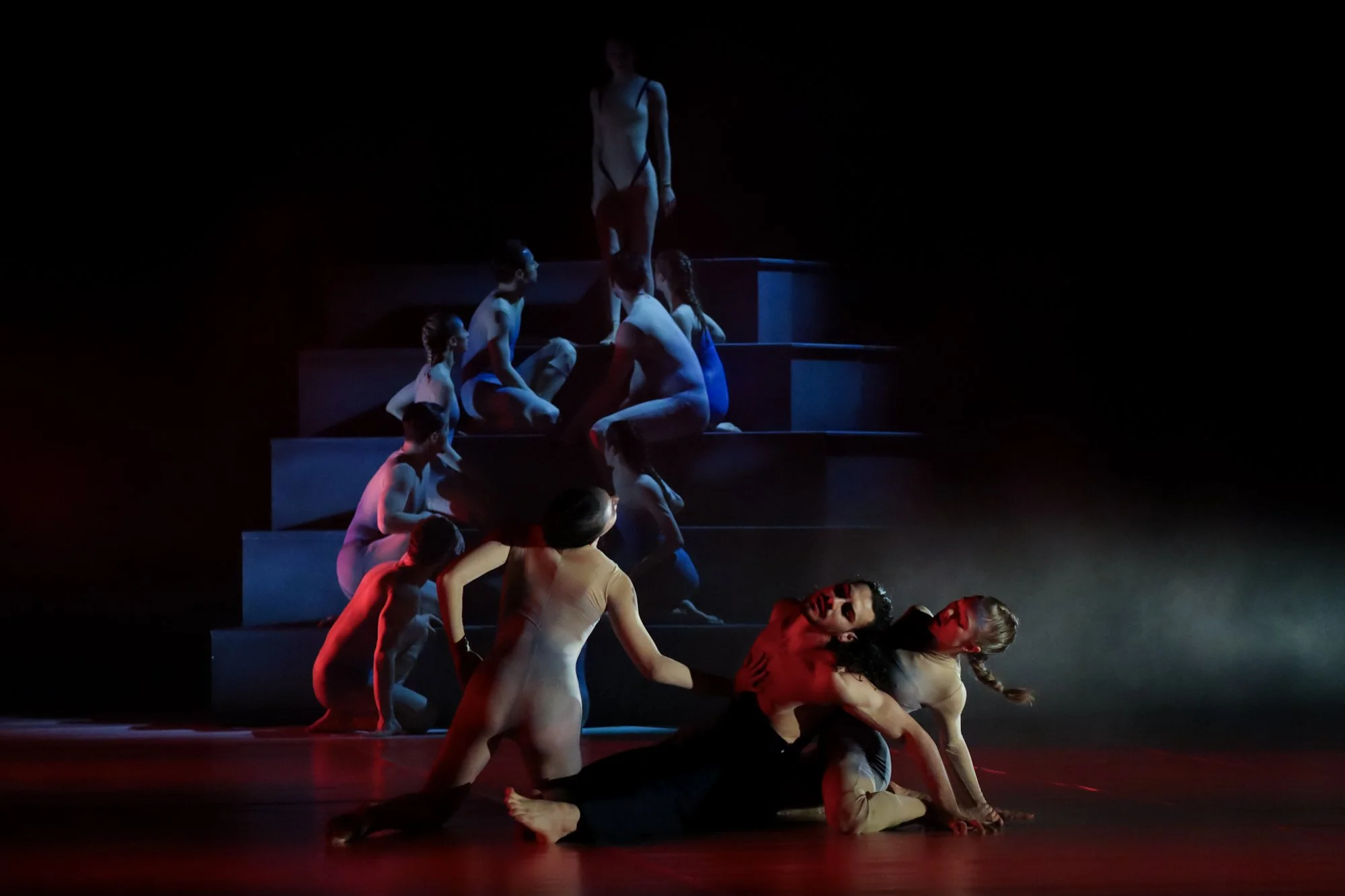
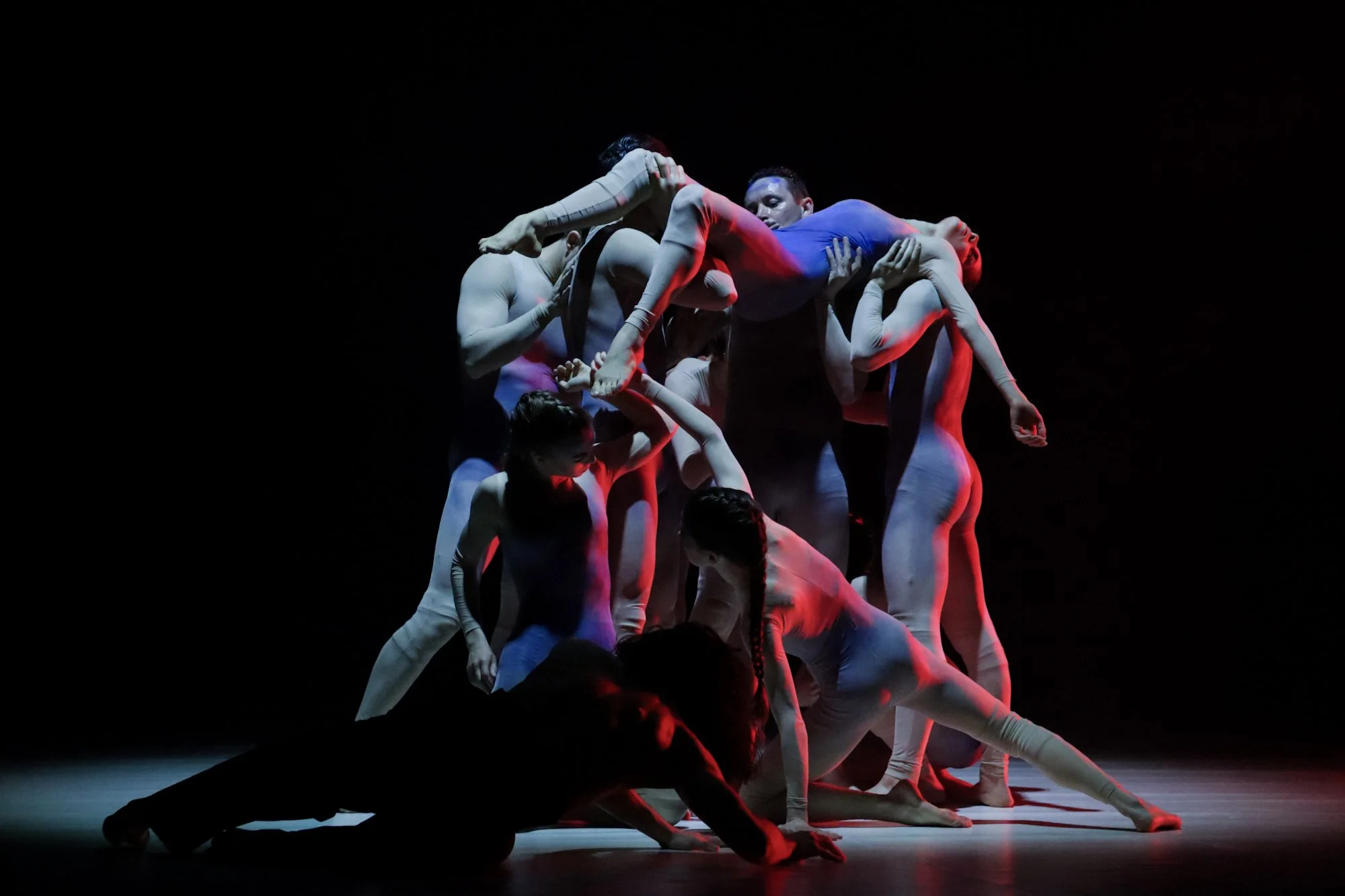
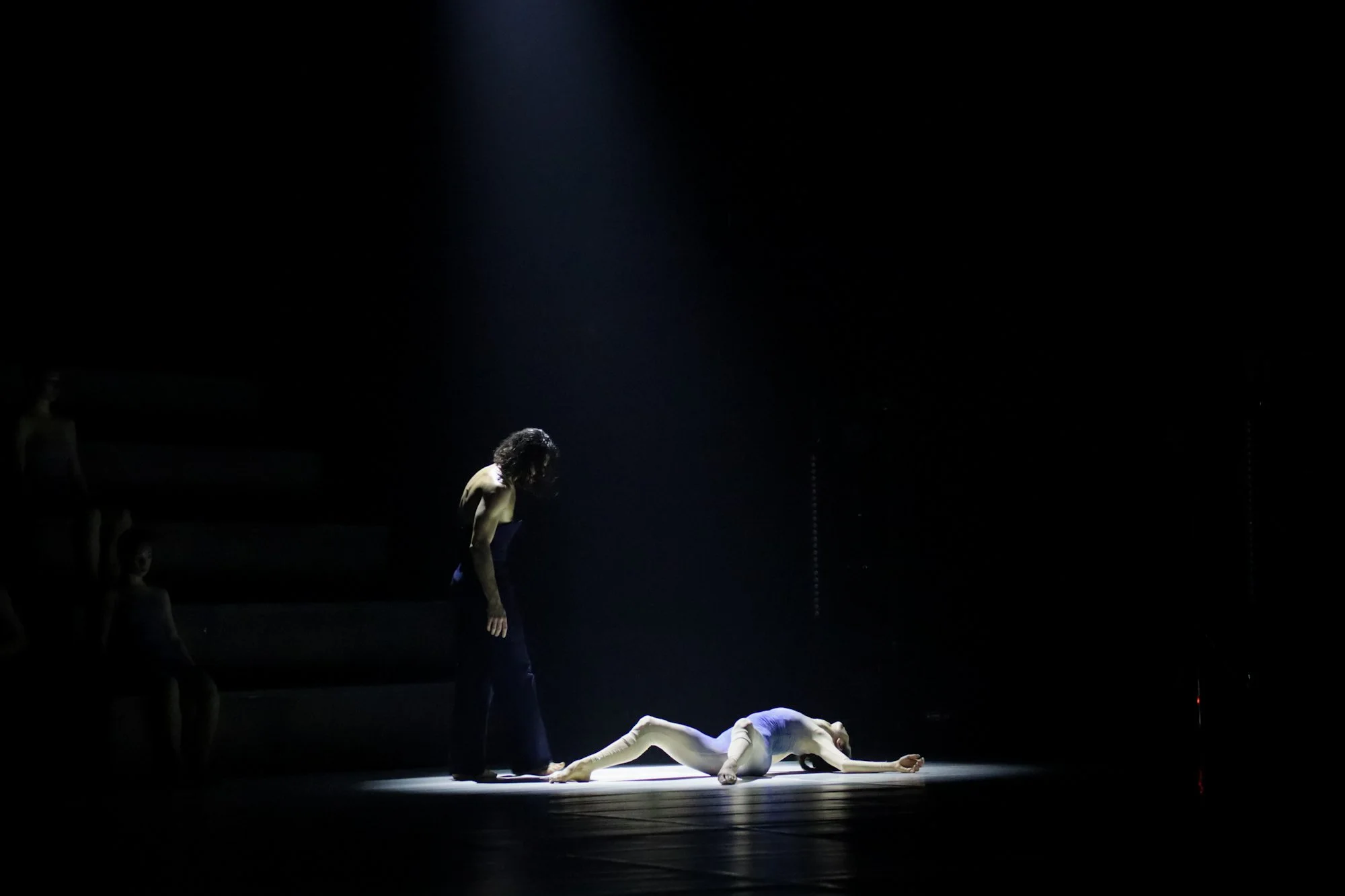
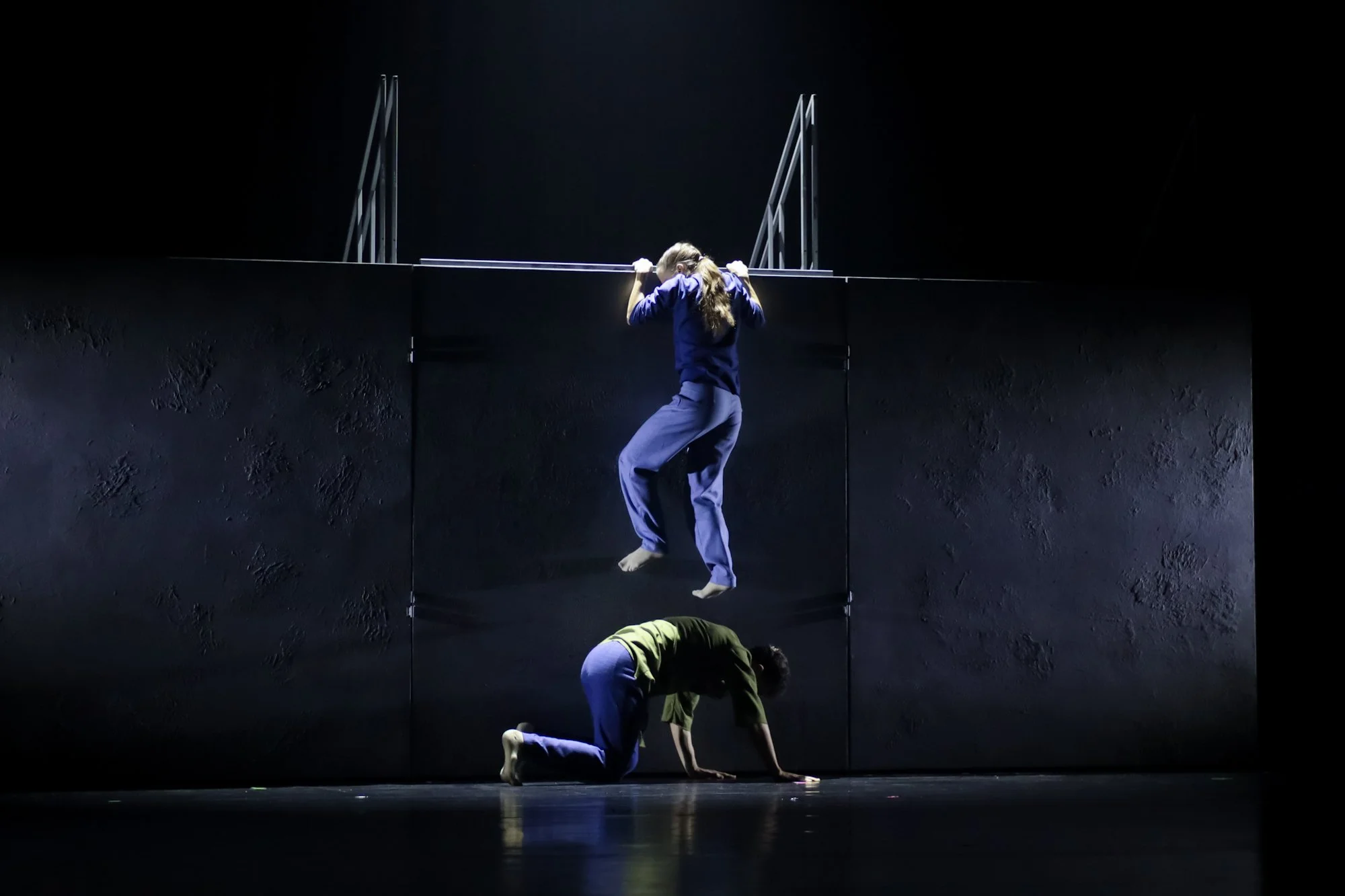
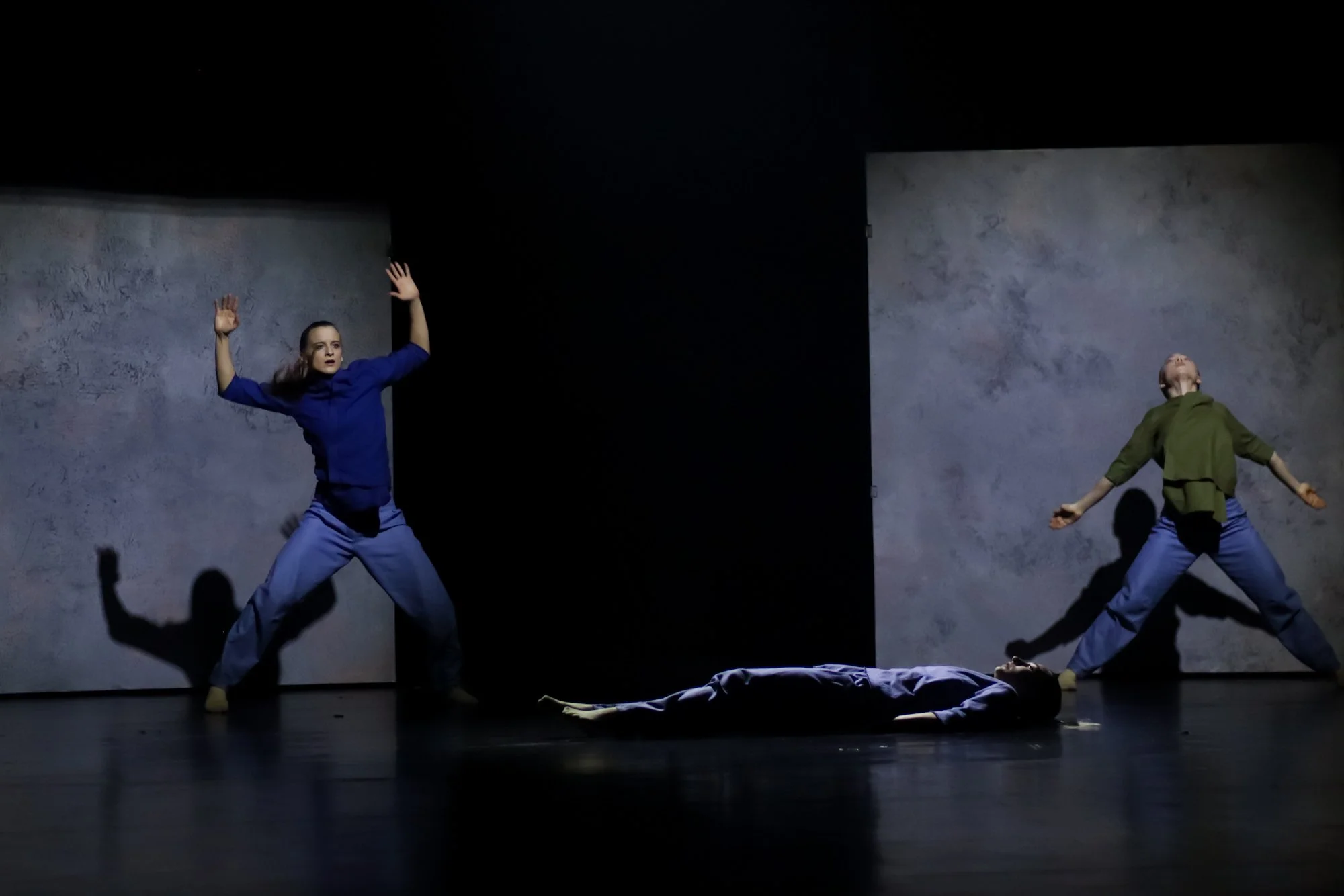
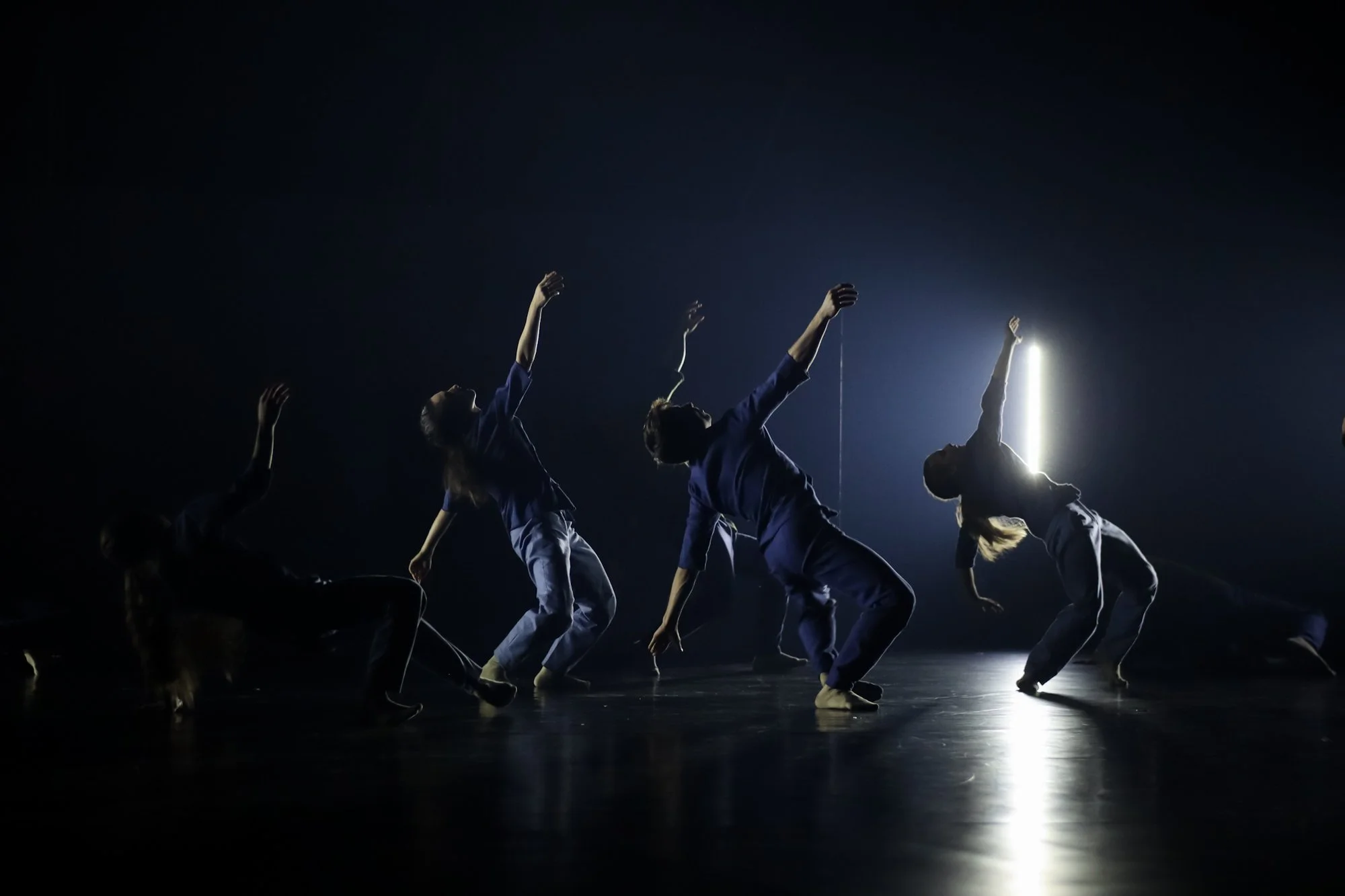
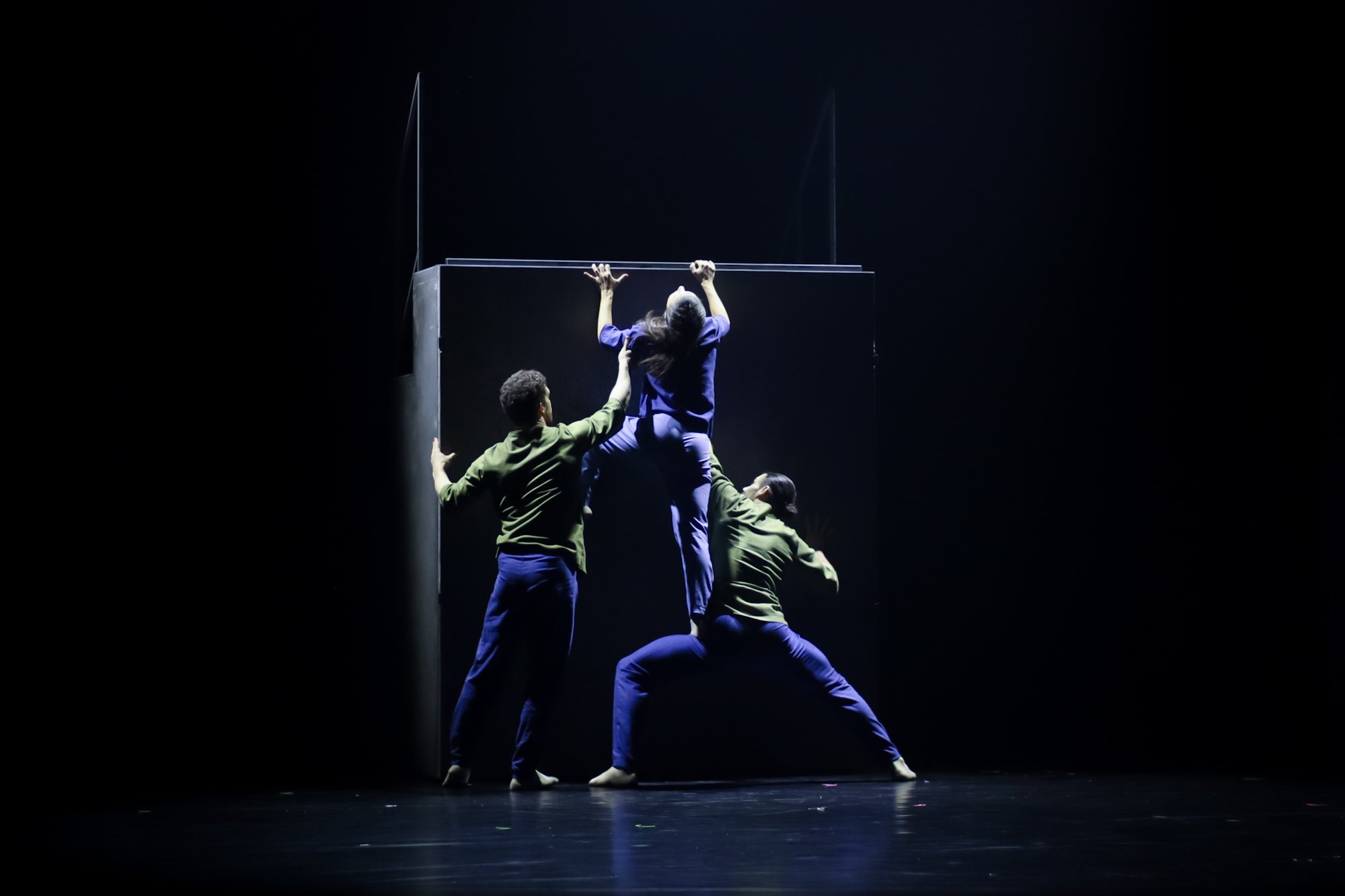
Giovanni Napoli, who choreographed “Hell”, the opening act, said in an interview, “The time was limited, and that presented a challenge, but I think we have managed to put up a good show. The Divine Comedy is such a huge part of our history; it’s always scary to get into it. That’s why I decided to take a step back and not exactly tell the story from the text of Hell — because I think that would require a whole evening — but to bring out the atmosphere that Dante painted, in a sensitive way that the audience can relate to.” The performance opens with dancers swaying in off-balance angles against the backdrop of a minimalist stage defined by three rotating staircases, swathed in evocative lighting. Napoli imagines hell as a picture of modern chaos where the characters are pulled towards the earth, seemingly battling their demons. Among the characters on stage, we see the lovers Paolo and Francesca wrapped in a kiss and Dante’s mythological ferryman Caronte, who transports damned souls to Hell. The dancers’ arms, highlighted by blue and red veins, seem to live the poet’s words, “For she doth make my veins and pulses tremble.” The flexibility and artistic movements of the dancers throughout the performance highlight not just their brilliance as dancers, but also their mastery over a variety of physical and athletic disciplines, deftly put to use by Napoli.
The 38-year-old dancer and choreographer from Palermo first read the text in school when he was 13 years old. “It’s part of the high school curriculum in Italy, but when you read it at such a young age, you tend not to value it as much as you do in your later years,” he says, adding, “When this opportunity came by, I reread parts of the text again. I chose Hell because the quality of movement that I am trying to reach in my art relates to the atmosphere of Dante’s Hell; it’s a very grounded, physical movement. The good thing is all three choreographers got to choose their favourite sections from the text.”
Confronting the Seven Sins
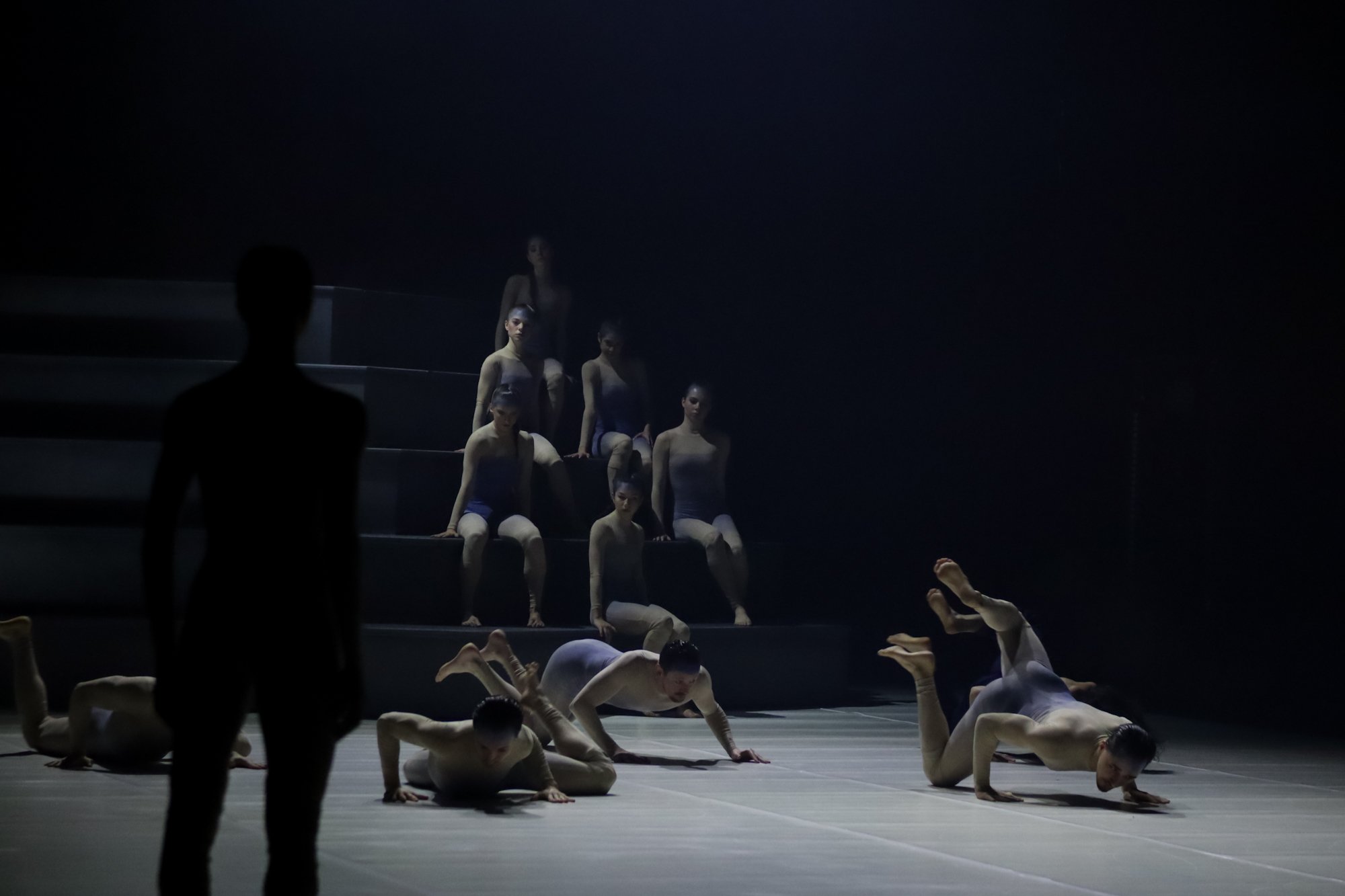
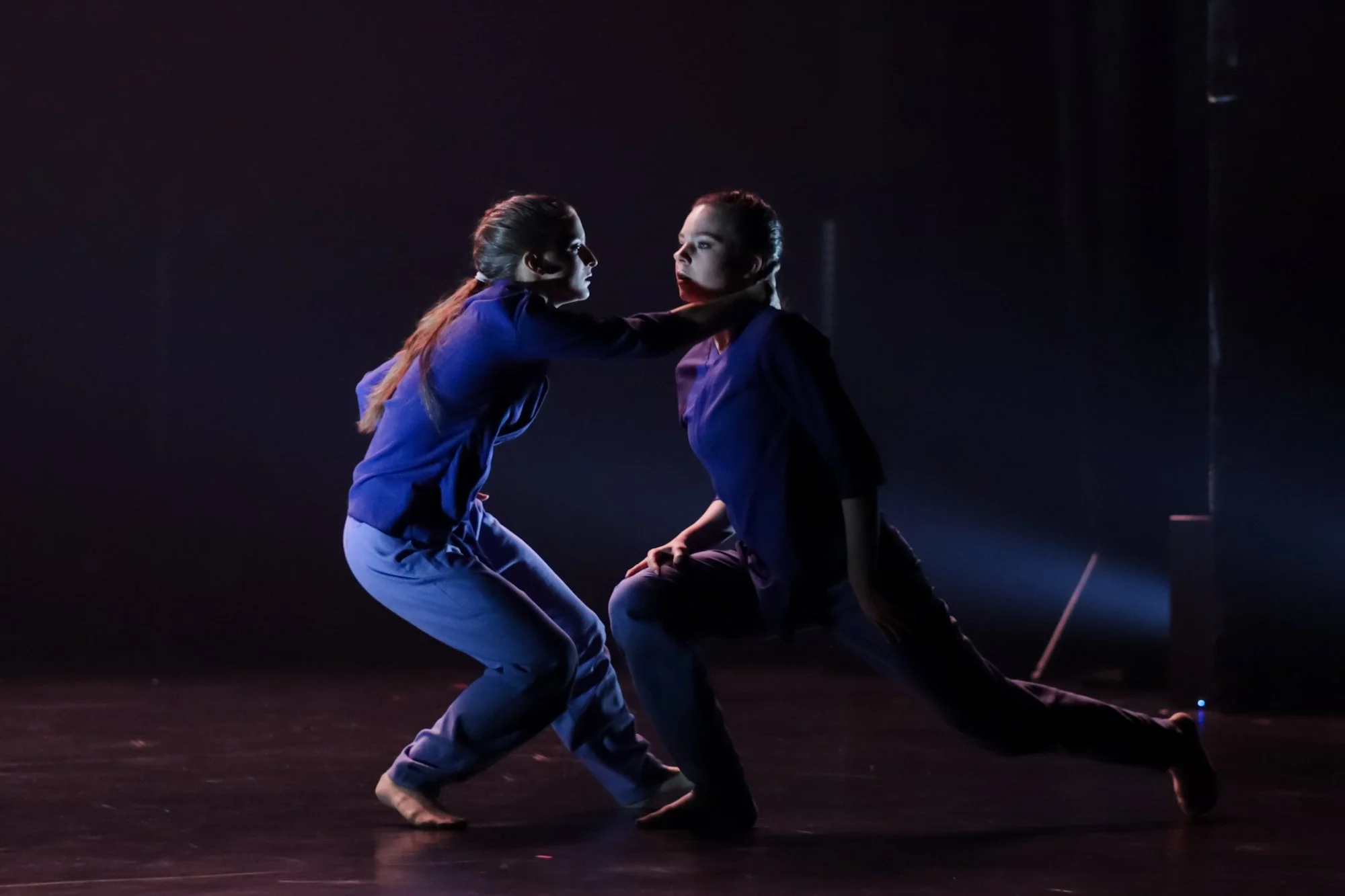
Thomas Martino, who choreographed Purgatory, was aiming at creating a world on stage where the seven deadly sins play a role, each shaping a person during their journey. The music by composer Lorenzo Cimarelli was particularly masterful in this section, with the scene opening to echoes of water droplets before getting swallowed by the roar of drumbeats, while the lighting acquired a language of its own. Martino, who is also a dancer, currently assisting two choreographers in Europe, said, “I thought of Purgatorio as an empty space which I wanted to fill with many images. And each image lifts the scene differently. I tried to keep it easy to understand even for those who aren’t familiar with the text. My dance style is more physical, and I always push my dancers to go over their limits. So, you get to see a strong physical aspect in this section. And they are all exceptionally talented.” Speaking of his reading of the text, he added, “My understanding of Dante has certainly evolved over the years. The seven sins that we see in Purgatorio are part of us, and it was nice to develop this idea through movement and through silence, exploring the self and Dante’s mind.”
The human shape of Heaven
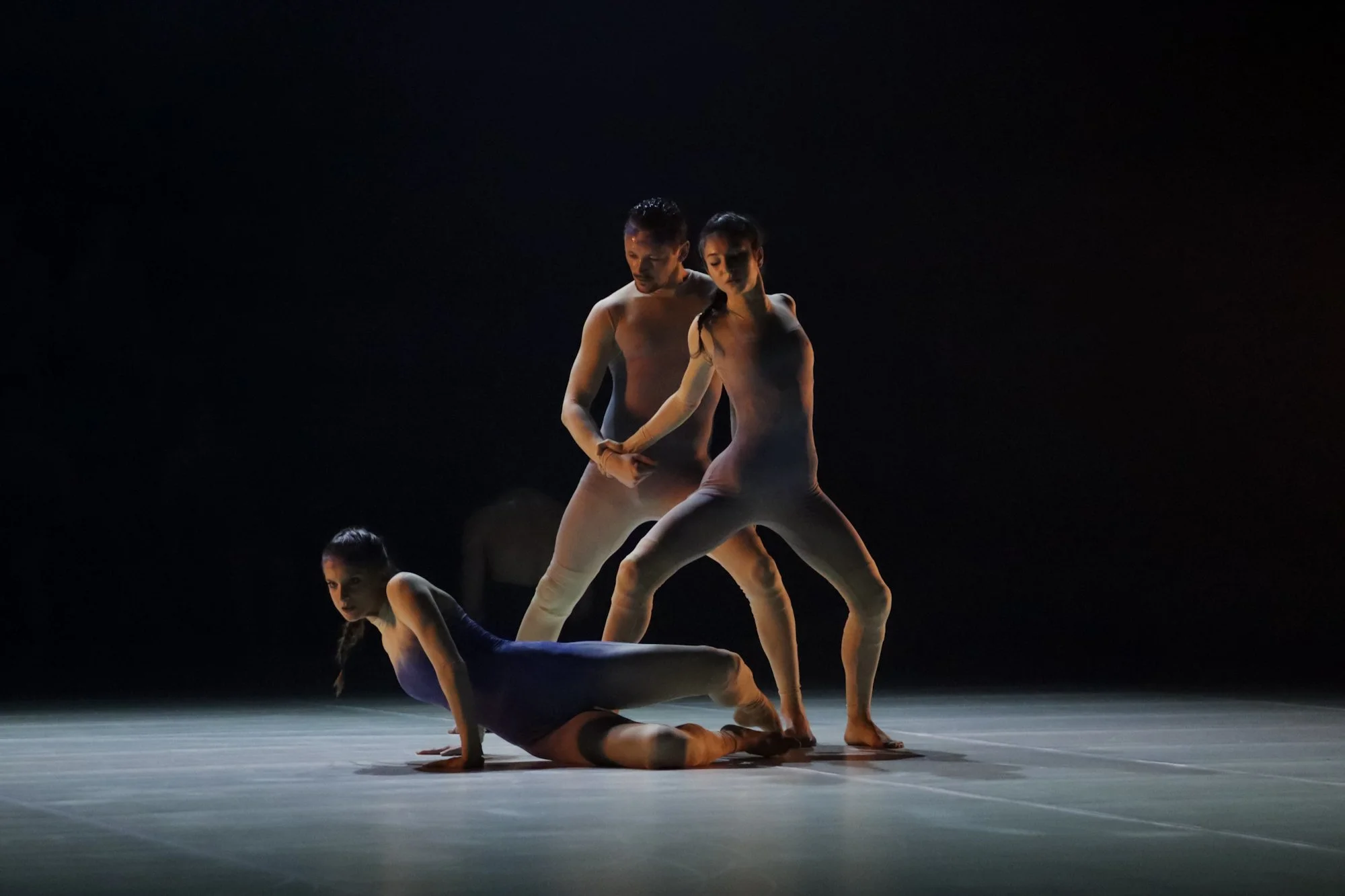
The third act, Paradise, saw a deliberate shift in atmosphere and character. The dancers displayed a more lilting movement dressed in contemporary attire of jeans and shirts. The choreography by Gergely Czár — who also developed the concept for the entire production — was characterized by lighter, more synchronized movements in perfect harmony with Cimarelli’s classical piano score. Rather than presenting paradise as a distant, transcendental realm, Czár explores how humans might attempt to create it in their own world, even as they struggle with their own self-centered impulses. Above the dancers, white smoke gathers inside a sheet of translucent foil that billows like a suspended cloud, in Kázmér Tóth’s cleverly conceptualized poetic set. As the scene reaches its peak, the veil finally splits open, releasing a cascade of mist that drifts downward across the stage, bringing the 75-minute performance to a dramatic close.
After the Szeged premiere, the troupe repeated their success in Budapest as well and are looking forward to journeying through more venues across Europe. For both Italian choreographers, this was their first time in Hungary. “Even though the culture here is different from ours, we harmonize well together and connect beautifully with the artists because we all speak the common language of dance,” Napoli concludes.
Photos: Szilvia Molnar / Szegedify