Szeged National Theater offers measured contemporary take on Gogol’s “The Government Inspector”

Márk Tárnoki’s new staging of Nikolai Gogol’s The Government Inspector, which premiered last Friday at the Szeged National Theater, demonstrates how a classic political comedy can be brought firmly into the present without losing its balance. The production embraces absurdity, but with restraint, allowing Gogol’s nearly 200-year-old satire to resonate clearly with today’s audiences.
The play follows the officials of a provincial town who panic after mistaking a minor civil servant for a powerful government inspector. As fear spreads, their efforts to conceal corruption and abuse of power expose a system built on self-deception and mutual silence – themes that remain strikingly current.
Based on Ákos Szilágyi’s Hungarian translation and adapted from a version by Balázs Benő Fehér, with the stage text prepared by Bence Szécsi and director Márk Tárnoki, the production incorporates contemporary references while preserving the structure and rhythm of the original comedy. Rather than relying on overt provocation, the production draws the audience in through carefully placed modern elements and a consistent, absurd tone.
Much of the action unfolds in the mayor’s home, reimagined as a partially renovated kindergarten – a setting that neatly encapsulates the blurring of public and private interests, and subtly recalls recurring debates in Hungary over the use of public development funds for projects that later serve private purposes. The visual world, designed by Anna Molnár, is stylized but not excessive. Costumes and set pieces suggest exaggeration without tipping into caricature, supporting the actors rather than overwhelming them.
Several subtle visual details enrich the staging. A distorted mirror hints at moral imbalance, while a recurring zebra motif appears both in the set and in the clothing of the mayor’s wife and daughter. For Hungarian audiences, the image echoes a visual symbol that recently circulated in public debate after photographs of zebras kept at or near a prominent private estate became widely shared in political commentary, turning the animal into shorthand for perceived elite privilege. Small but telling touches – worn socks on the supposed inspector or a bridal bouquet marked with a pre-crossed ballot – reward attentive viewers without interrupting the flow of the performance.
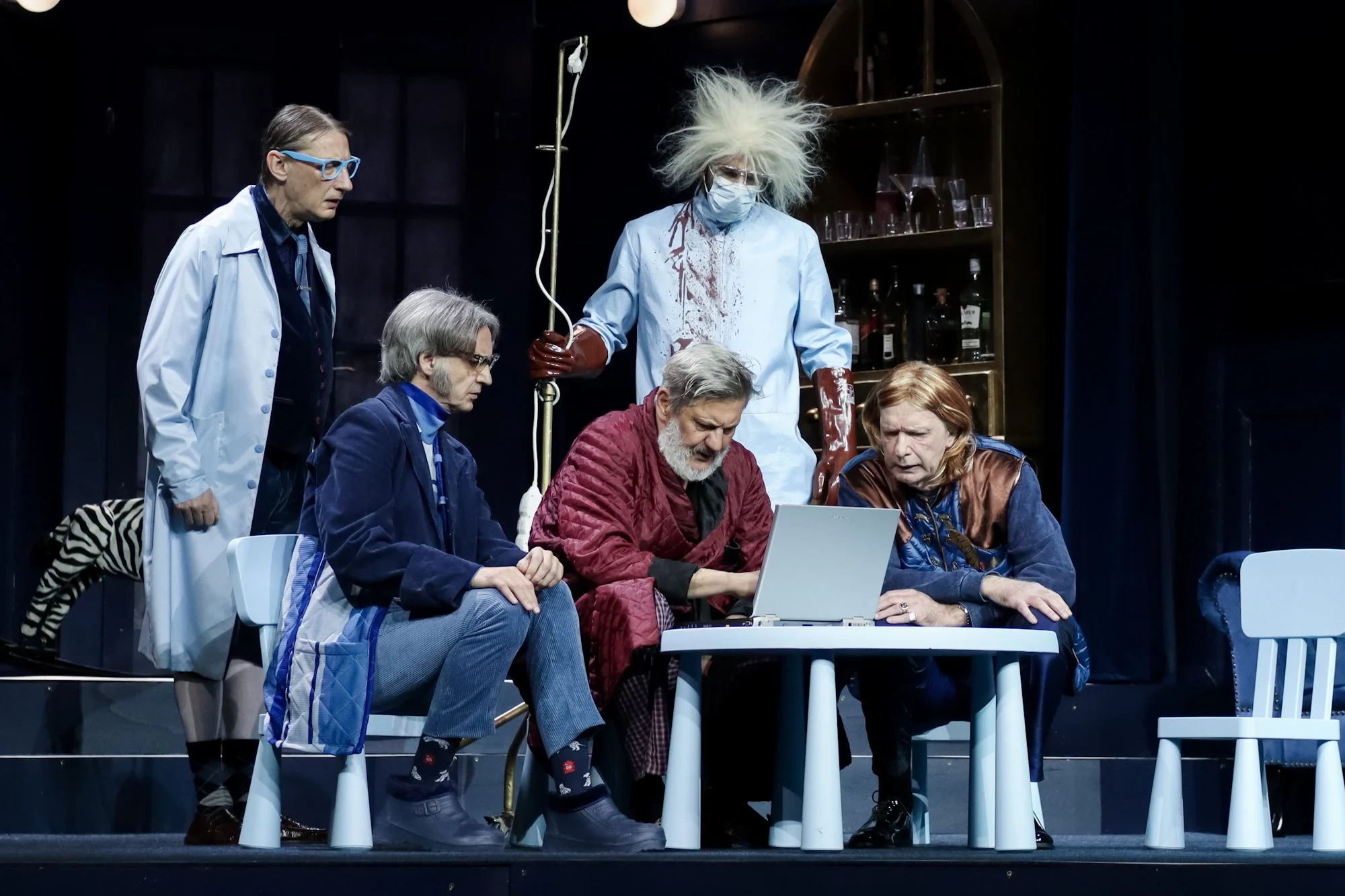
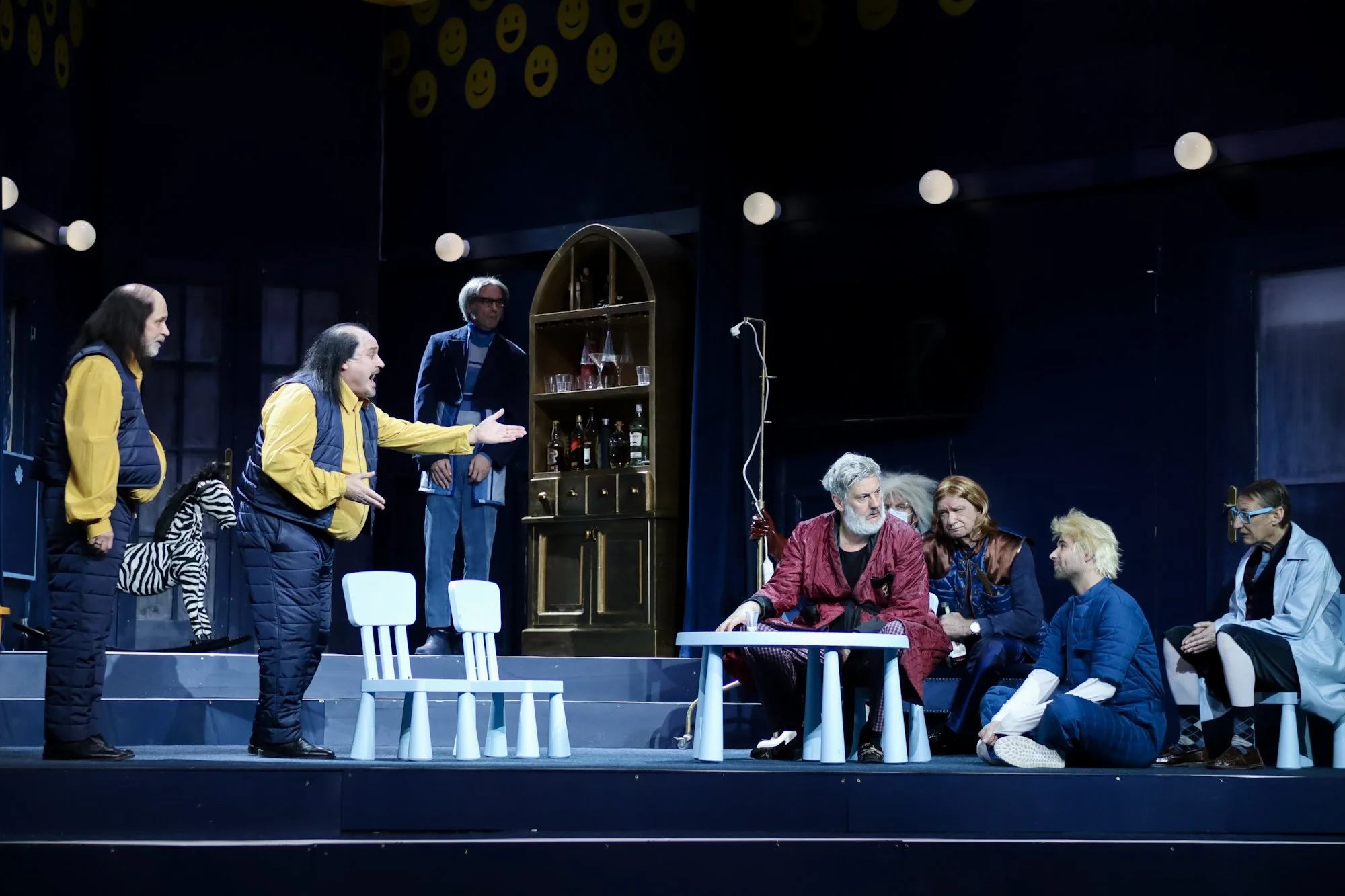
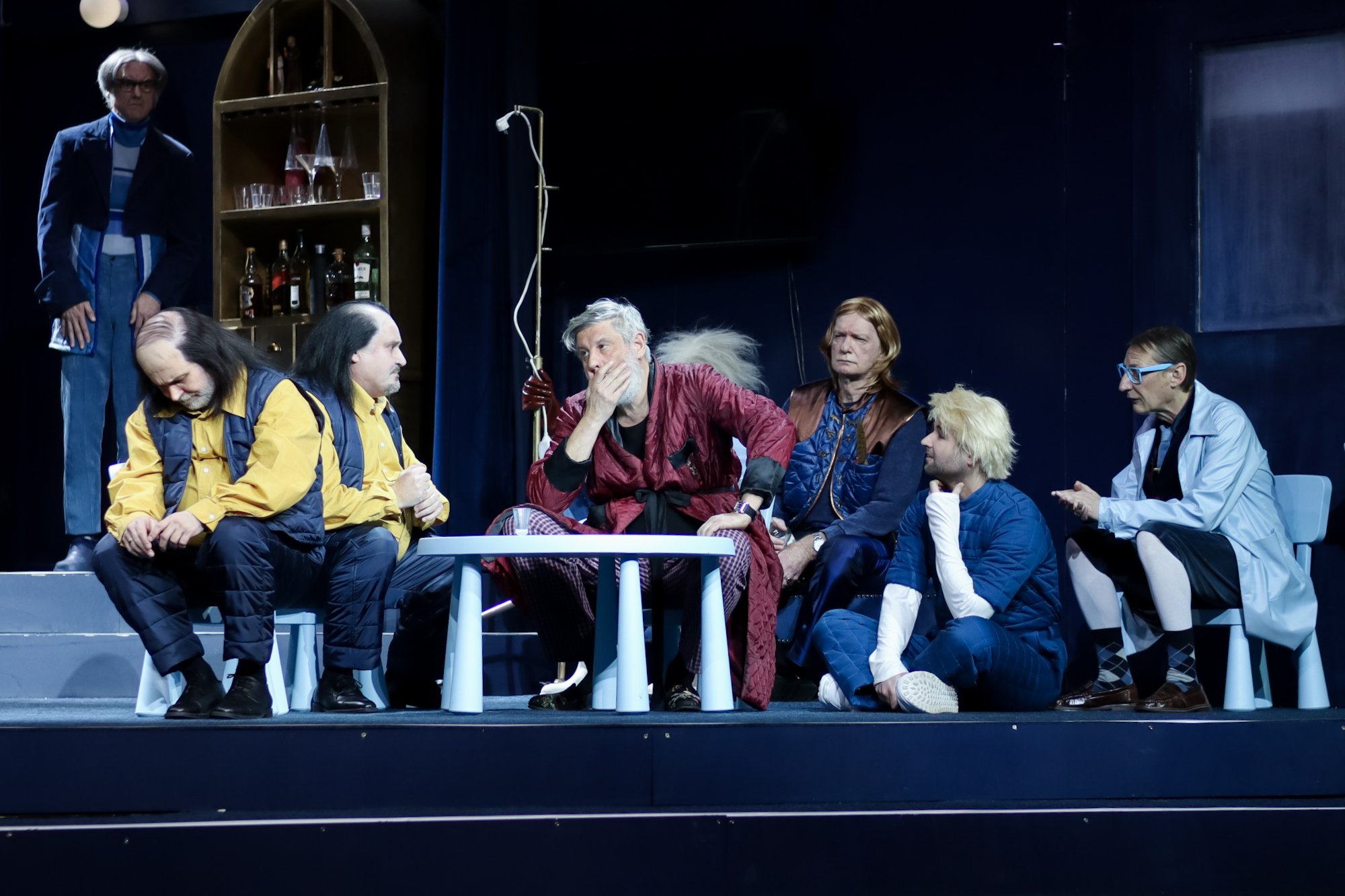
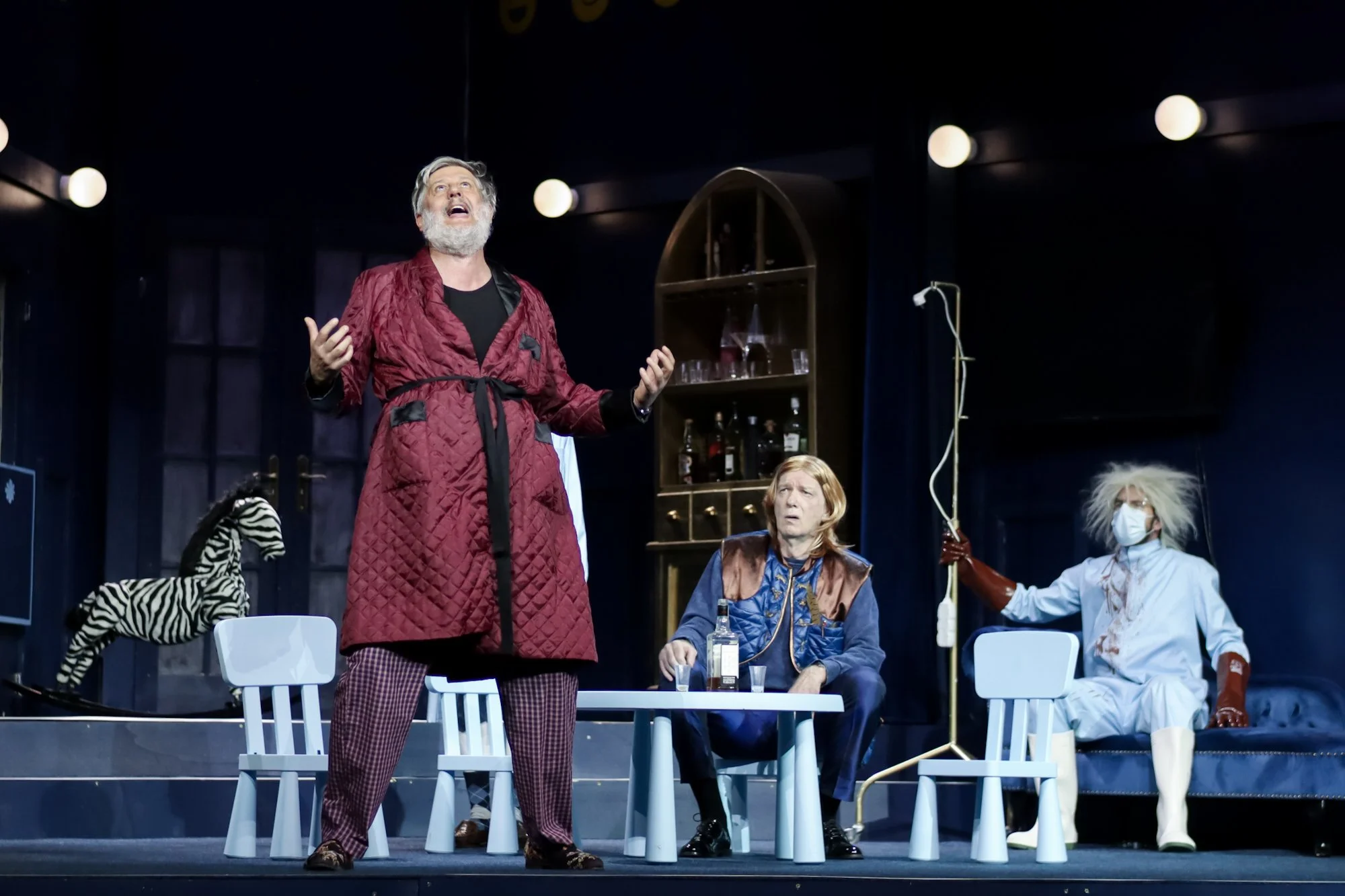
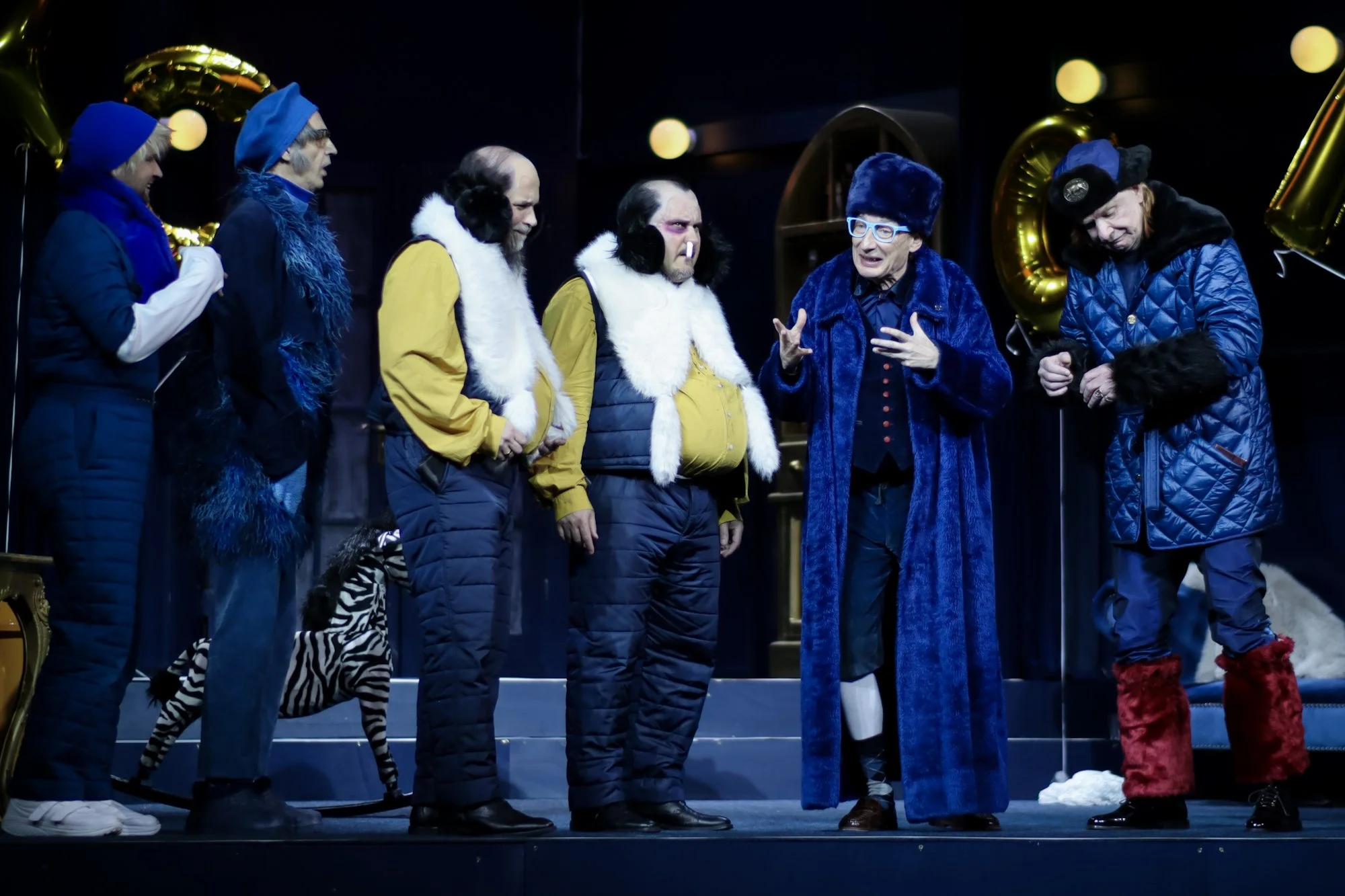
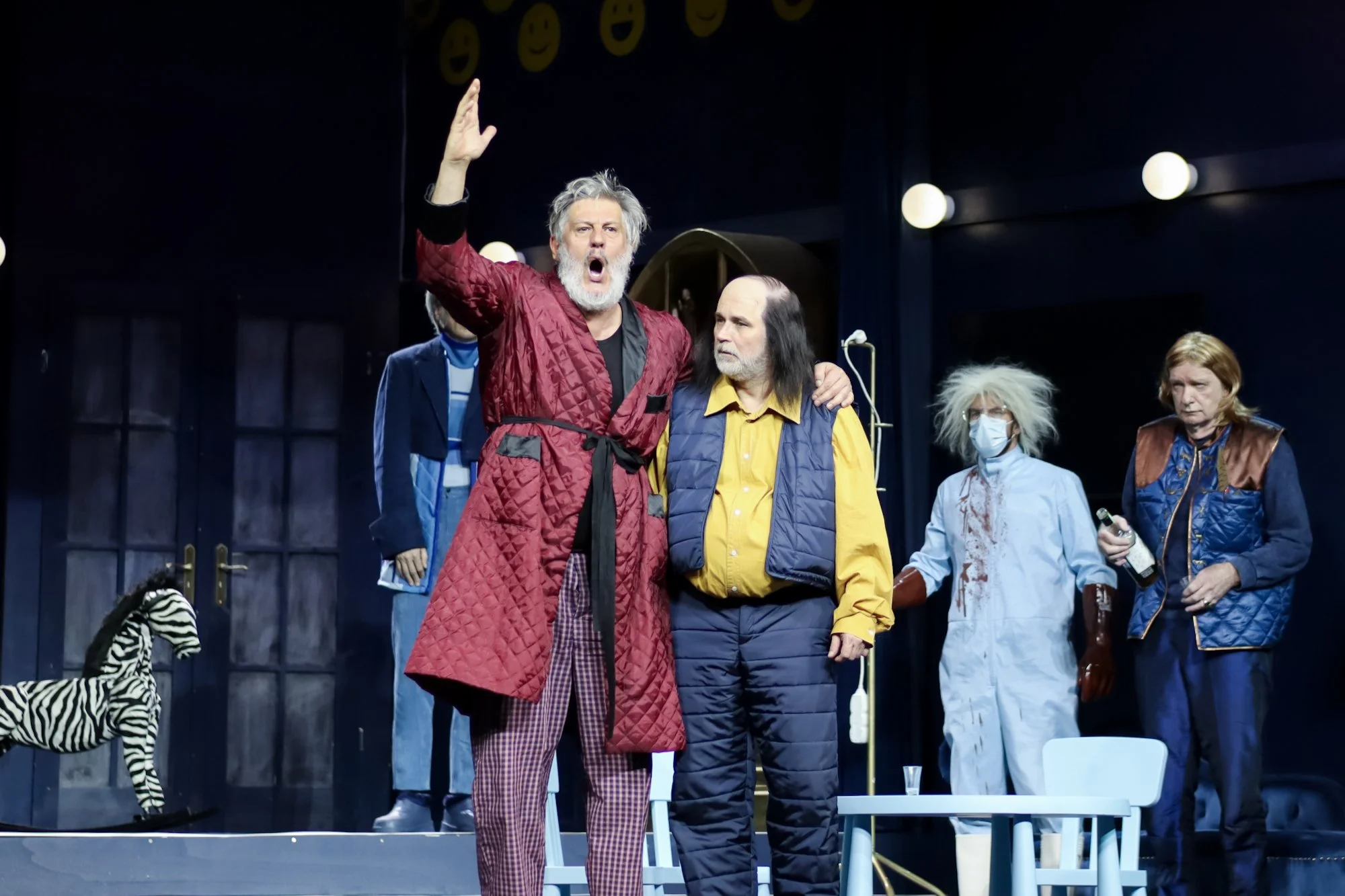


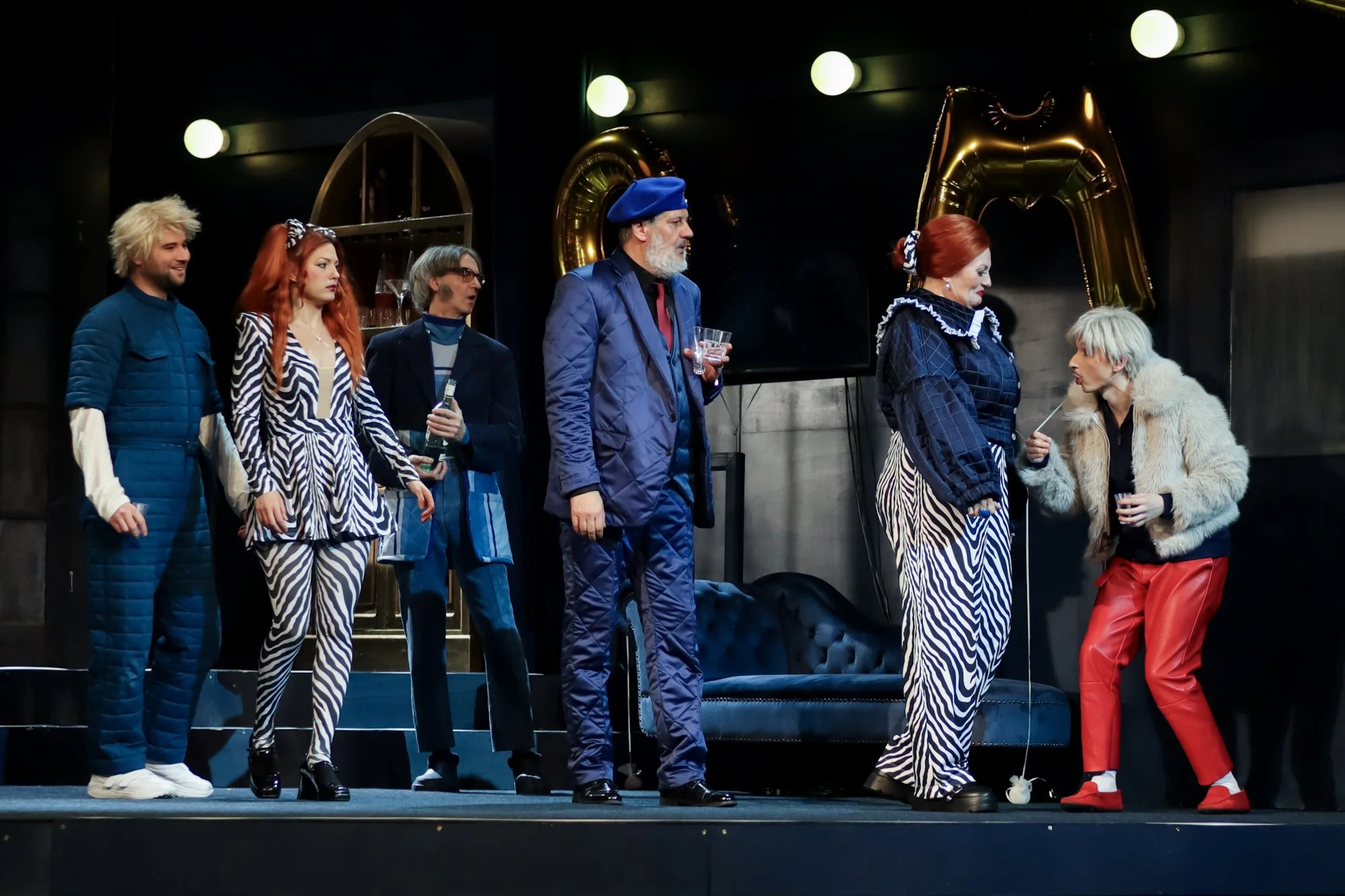
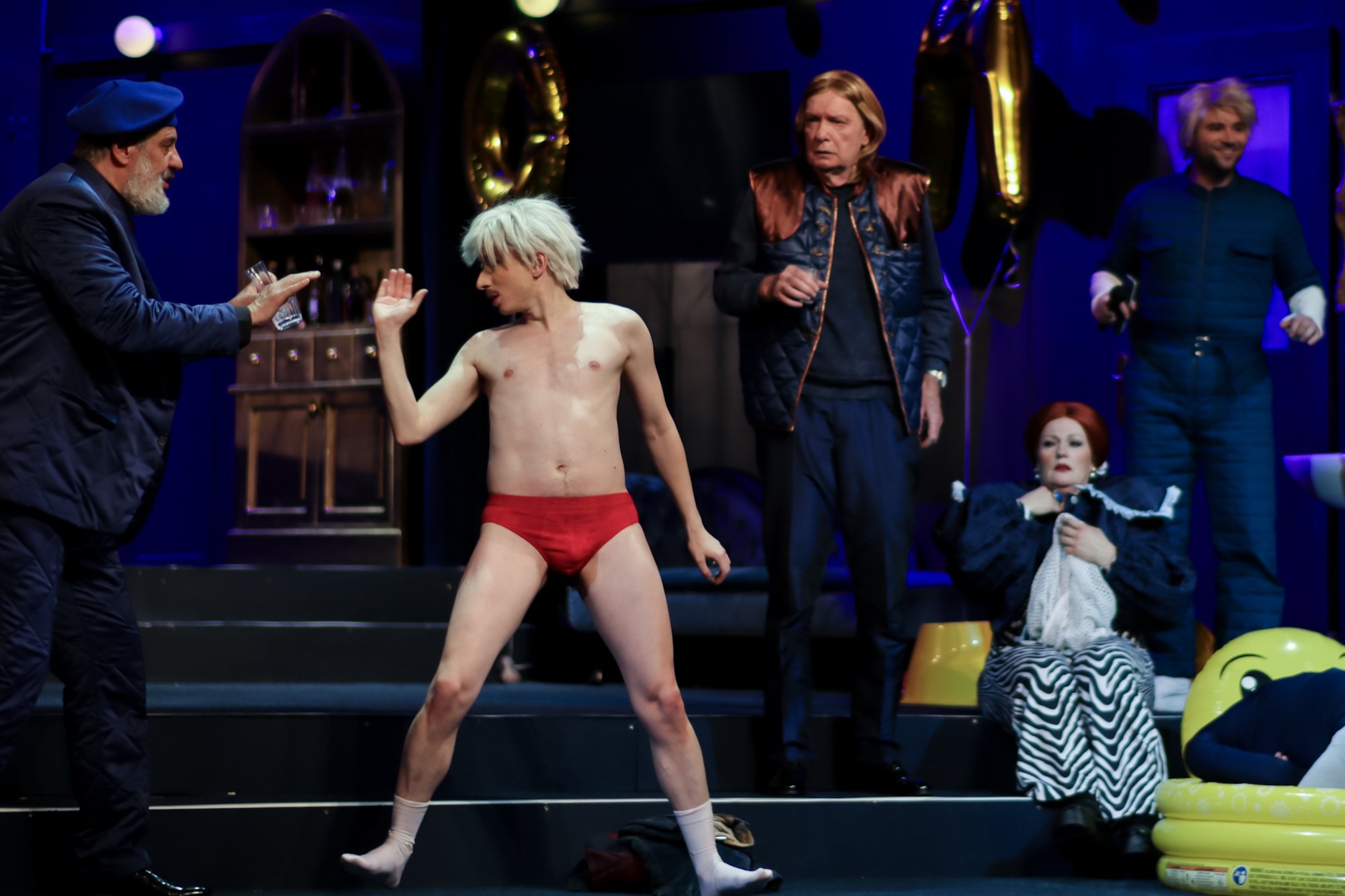
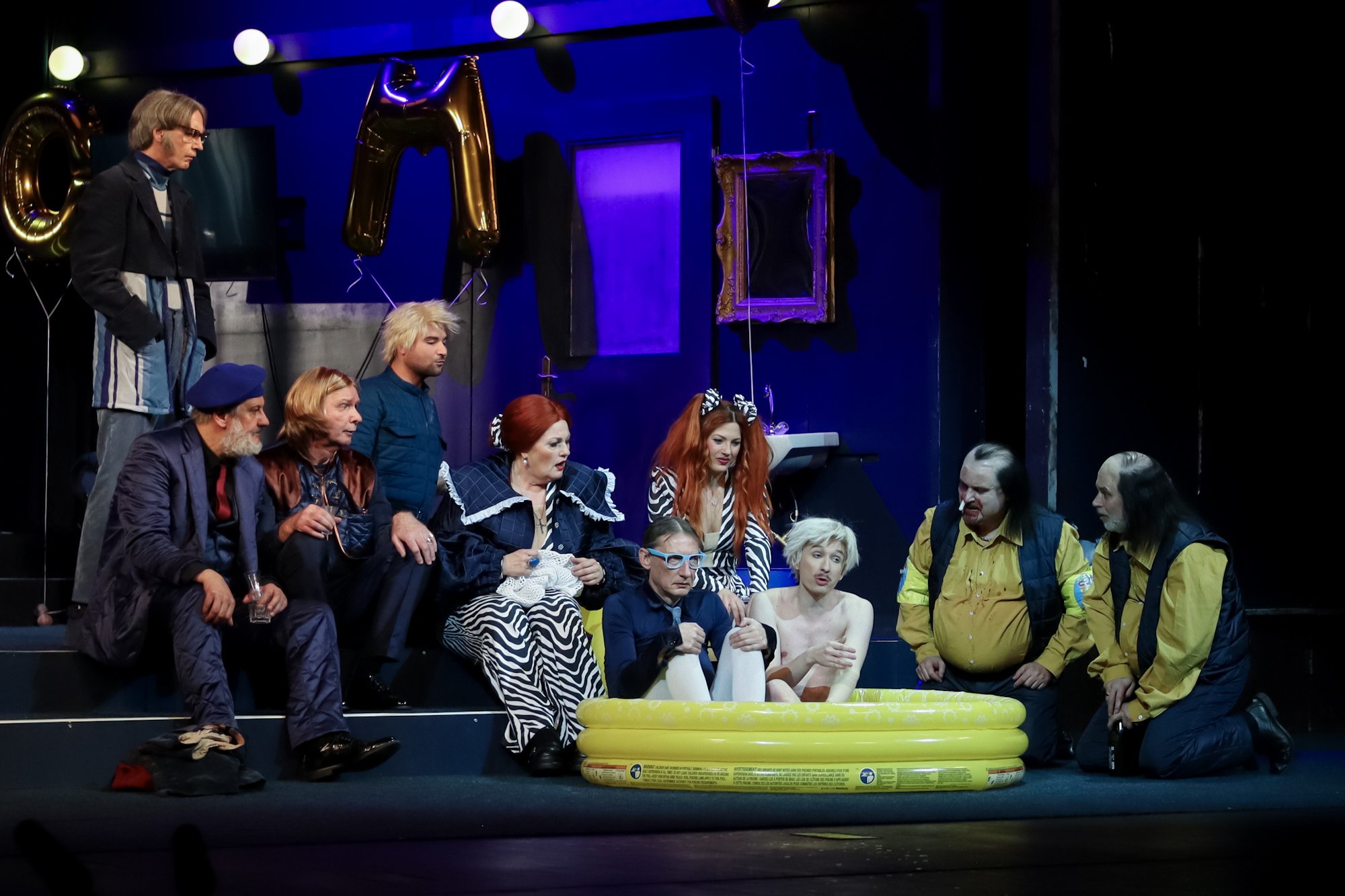
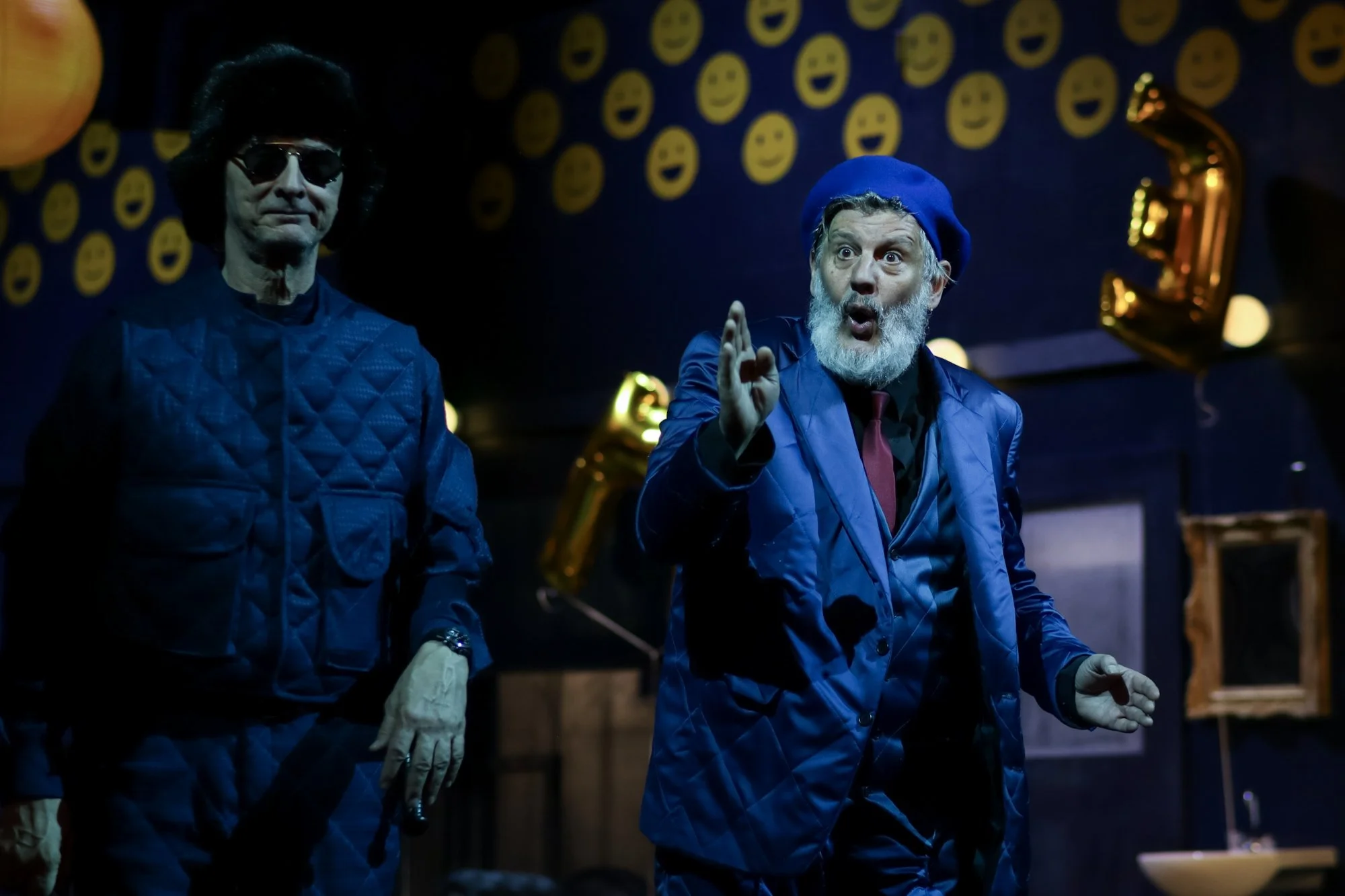
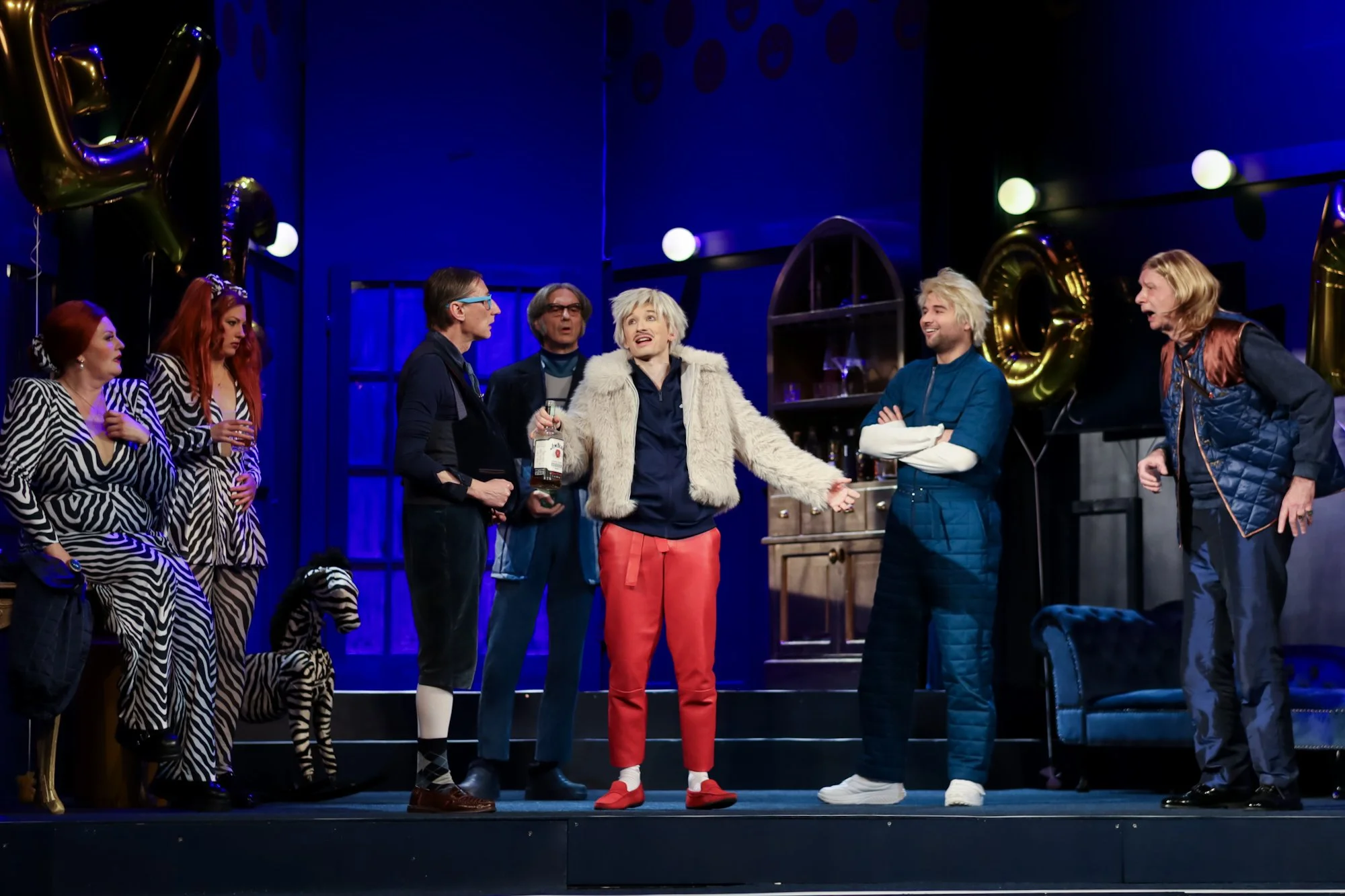
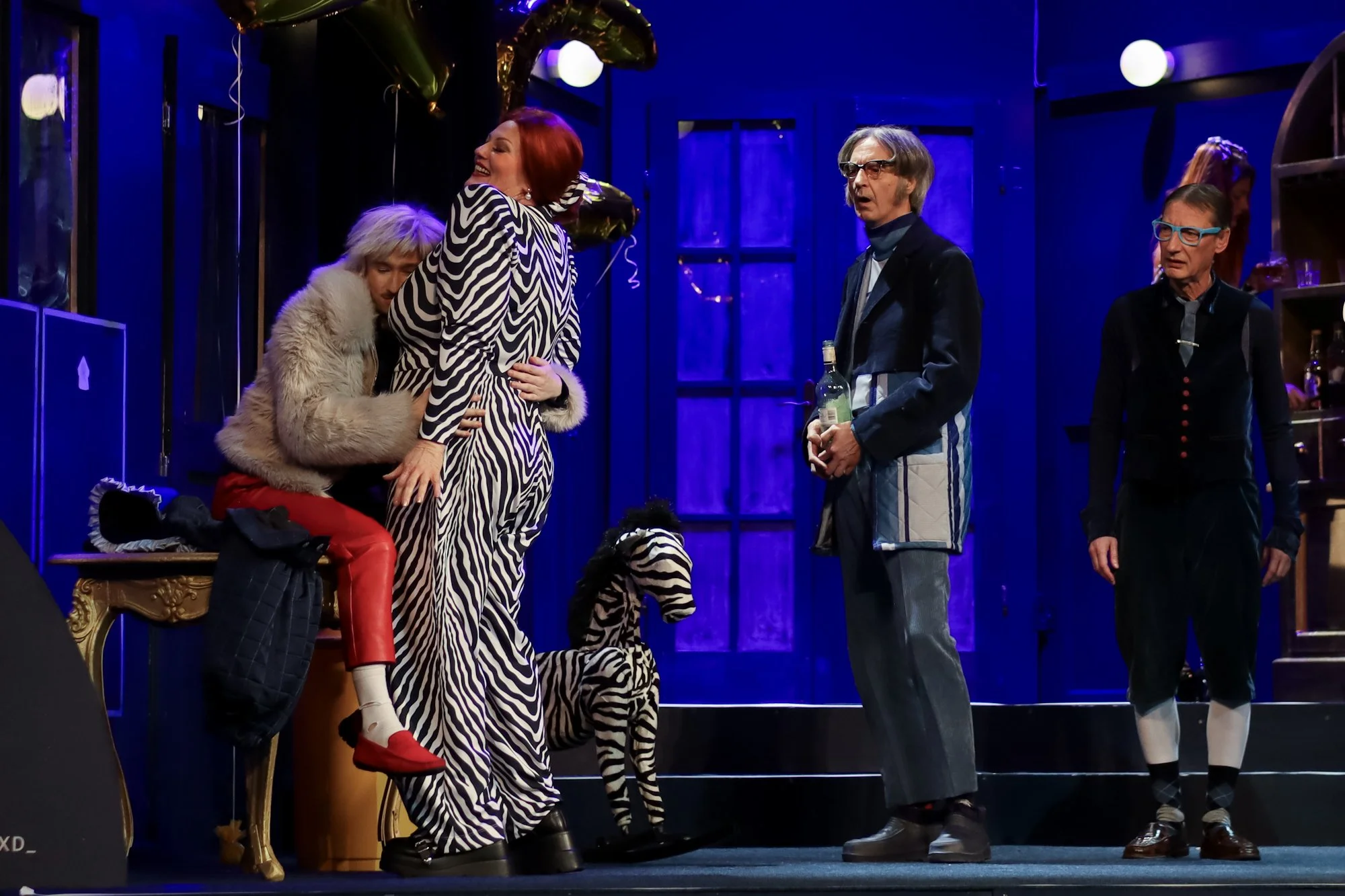
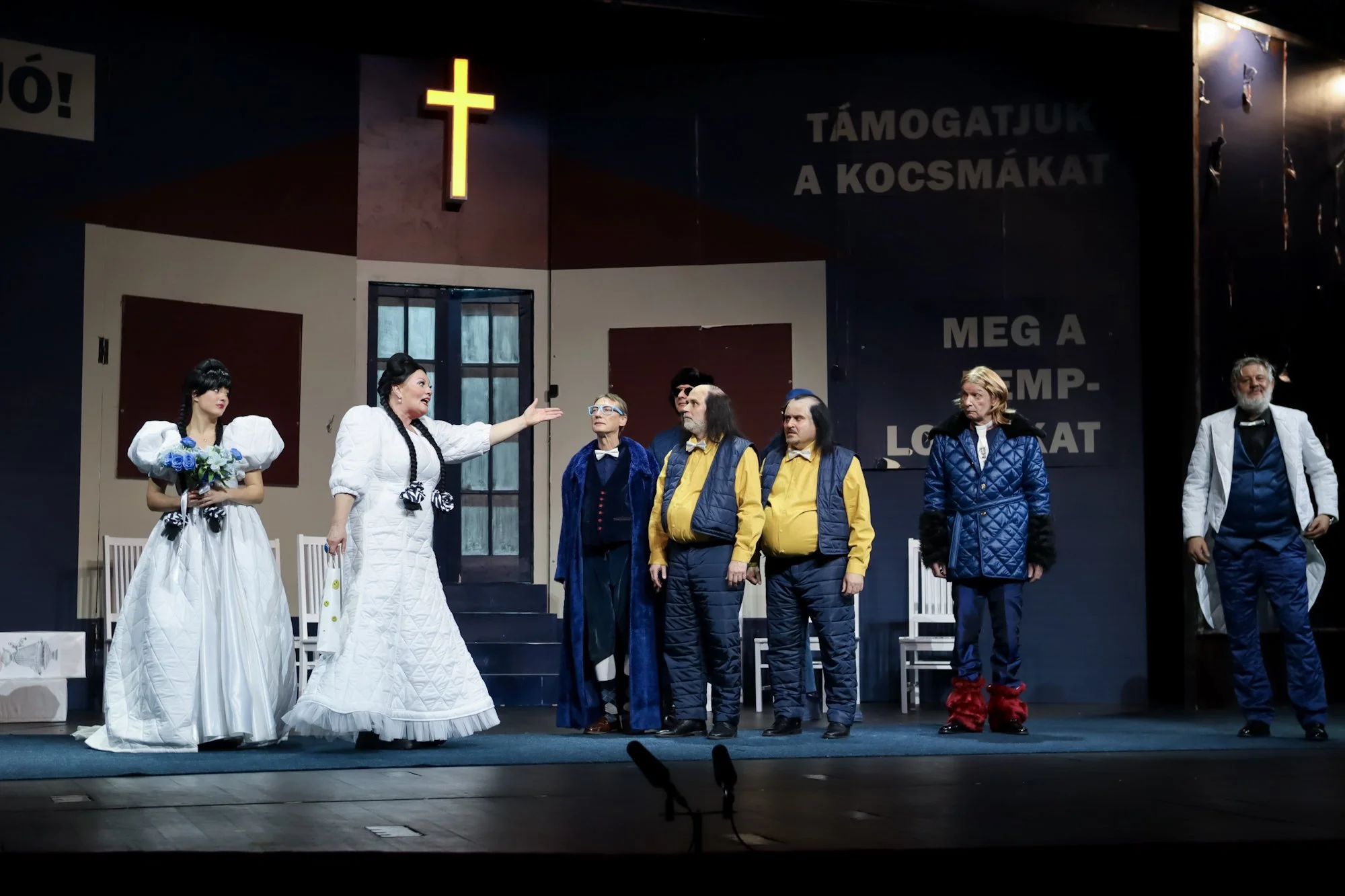
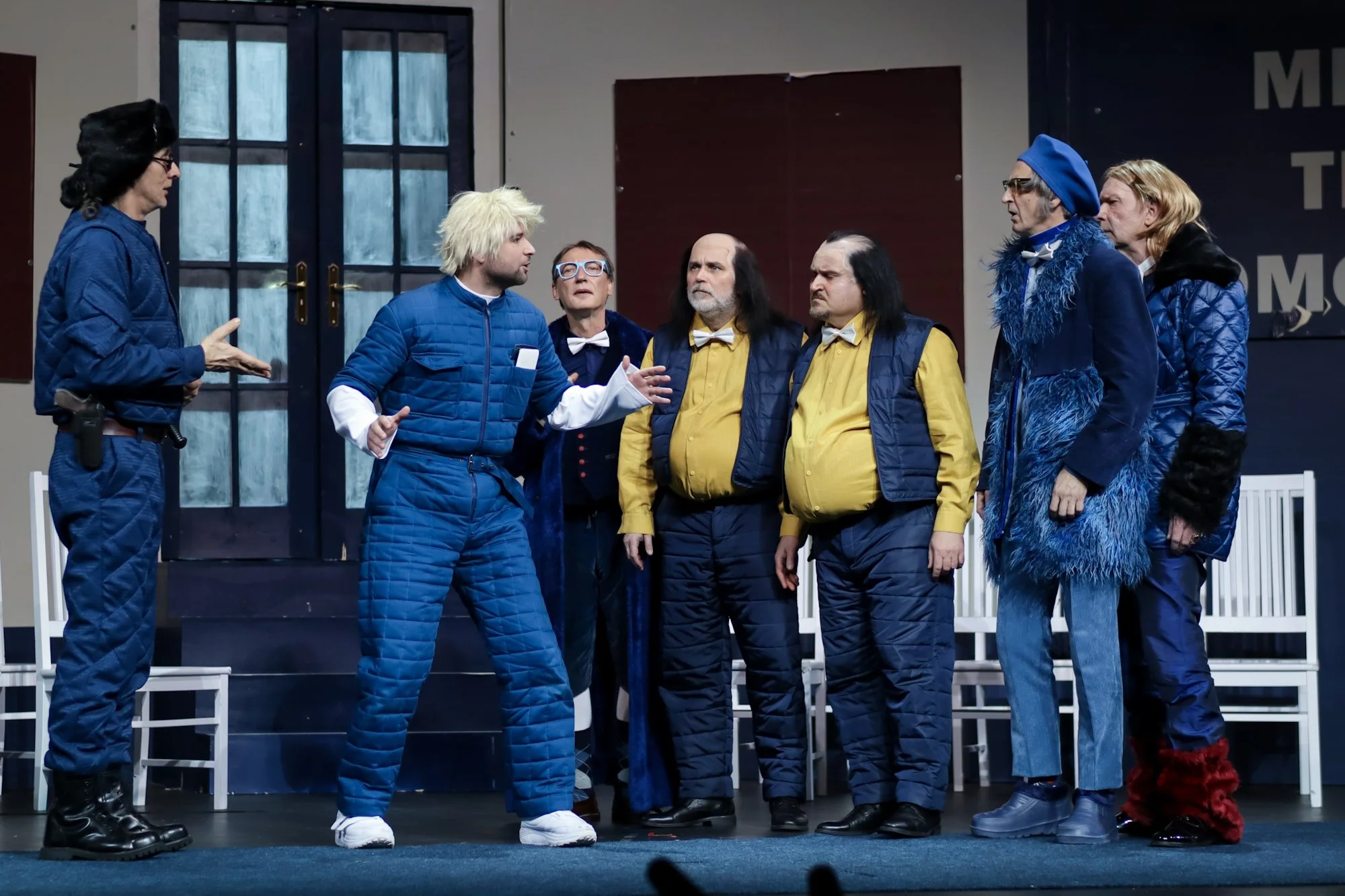
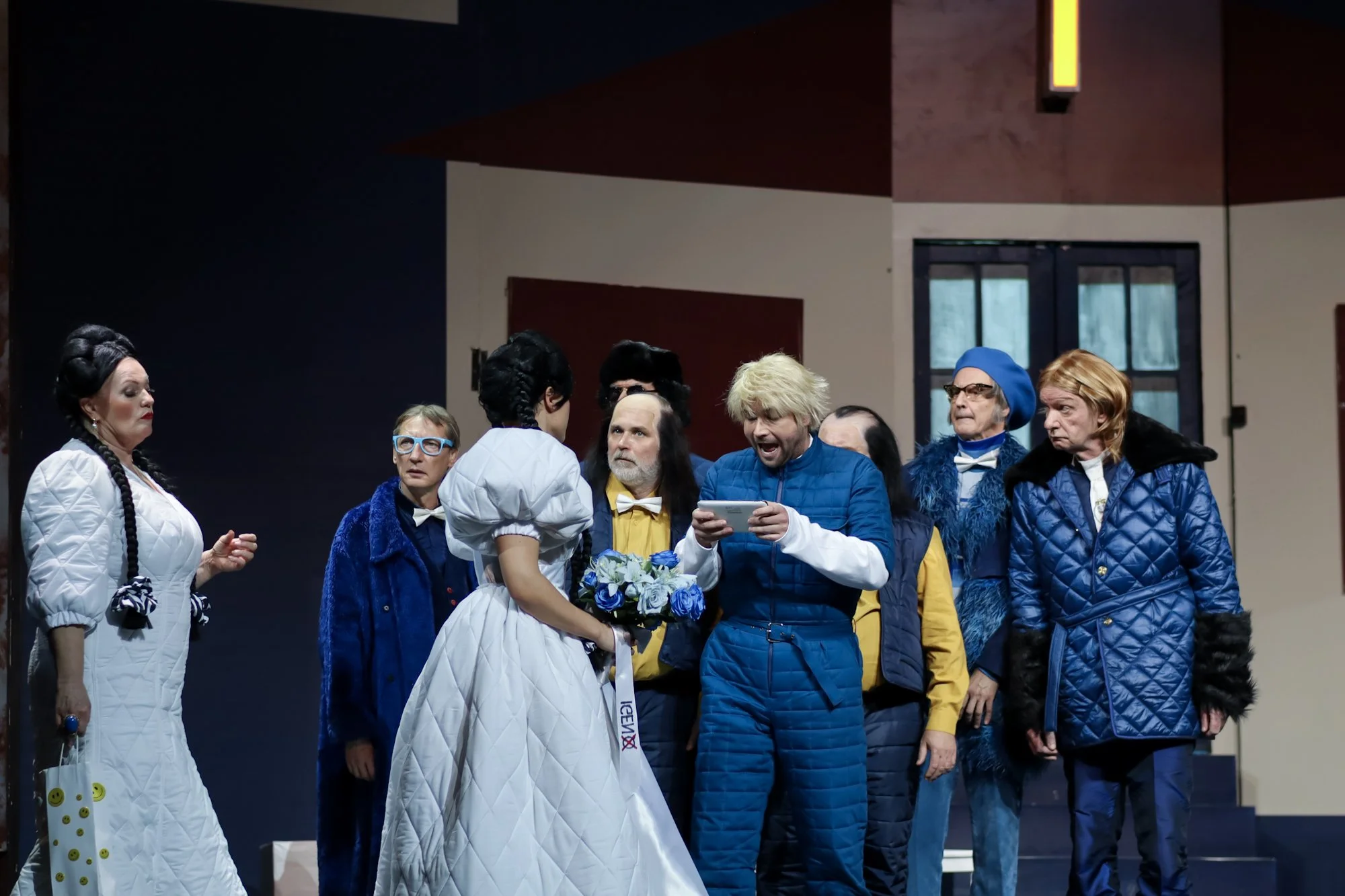
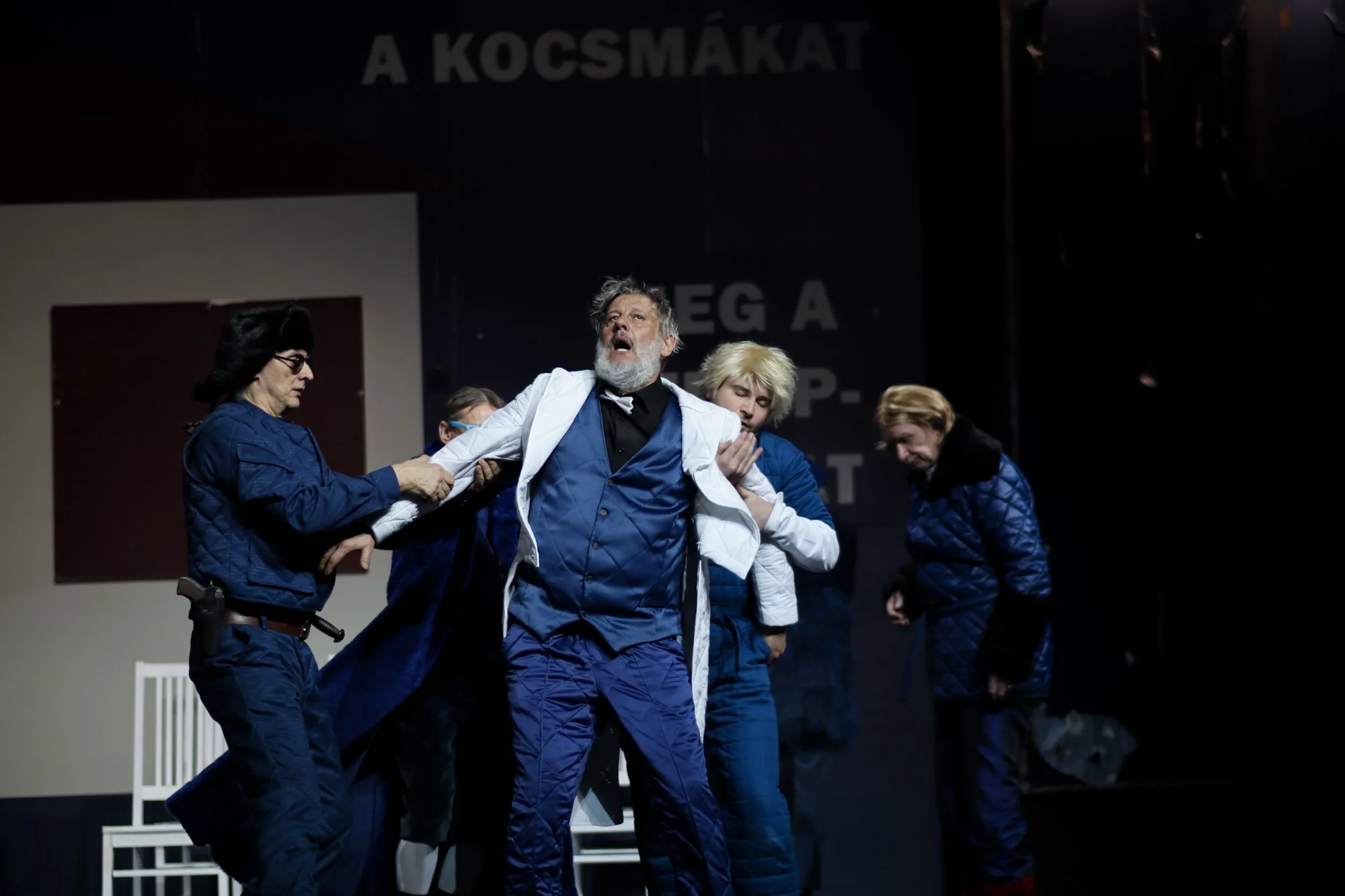
The ensemble delivers strong performances throughout. Zénó Kárász sustains the role of the corrupt mayor with relentless energy, while Annamária Szilágyi brings vitality and sharp comic timing to his wife. Péter Turi’s interpretation of the falsely identified inspector emphasizes the character’s naïve opportunism, gradually revealing how easily he slips into the role assigned to him.
Although Gogol famously described laughter as the play’s only “honest character,” the Szeged production balances humor with unease. Beneath the comedy lies a darker reflection on how corruption becomes normalized and how fear sustains dishonest systems – a tension that gives this staging its contemporary relevance without forcing the point.
The production is performed in Hungarian.
The Government Inspector is playing on the Szeged National Theater’s main stage as part of the 2025–26 season.
Photos: Szilvia Molnar / Szegedify
