University of Szeged researchers to study melting glaciers in Central Asia
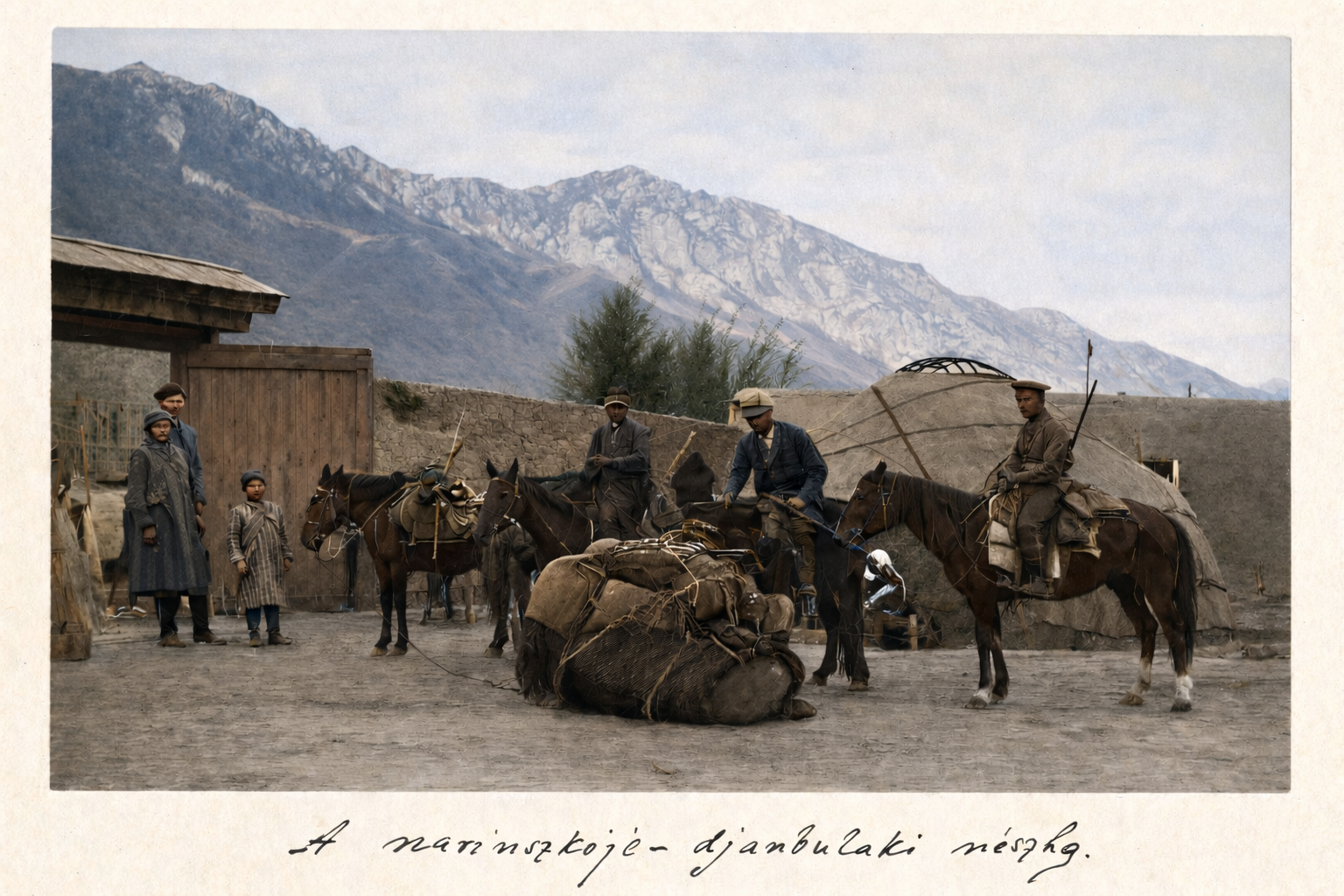
A research team from the University of Szeged will travel to Central Asia in September for a month-long scientific expedition examining the effects of climate change on the glaciers of the Tien Shan mountain range.
The project, led by associate professor Dr. Péter Szilassi, will focus on reconstructing environmental changes that have taken place in the region over the past 120 years. Researchers will conduct field measurements in areas where glacier retreat is increasingly affecting regional water resources.
Countries such as Kazakhstan and Kyrgyzstan rely heavily on glacial meltwater, making the rapid shrinking of ice masses a growing concern for water management and long-term sustainability in Central Asia.
The expedition team, made up of university faculty members and students studying geography and geoinformatics, will retrace routes explored more than a century ago by Gyula Prinz, a former geography professor at the University of Szeged. Prinz traveled across the Tien Shan region between 1906 and 1909 and documented glaciers, landscapes, and river systems that researchers now plan to revisit and compare with present-day conditions.
Historical maps, panoramic sketches, and early landscape photographs created during Prinz’s expeditions will be analyzed alongside modern satellite imagery, drone recordings, and current field observations.
According to the university, the collected data may help researchers model future water-resource changes and assess the environmental impact of glacier melt in the region. The project may also provide information on fluctuations in lake water levels and the current condition of historic irrigation systems.
The research is being carried out in cooperation with Bishkek State University and Kyrgyz earth science experts.
The expedition has also drawn interest because of its visual and historical aspects. Szilassi said the team would welcome a professional film crew to document the fieldwork and environmental changes in the form of a travel documentary.
The project is supported by Hungary’s Klebelsberg Kuno Scholarship and the Pannonia Scholarship Program.
Featured image: Gyula Prinz’s caravan prepares to depart in the city of Naryn. Source: Prinz Archive of the University of Szeged’s Institute of Geosciences.
