Cuban-Spanish documentary wins top prize at 10th Zsigmond Vilmos International Film Festival
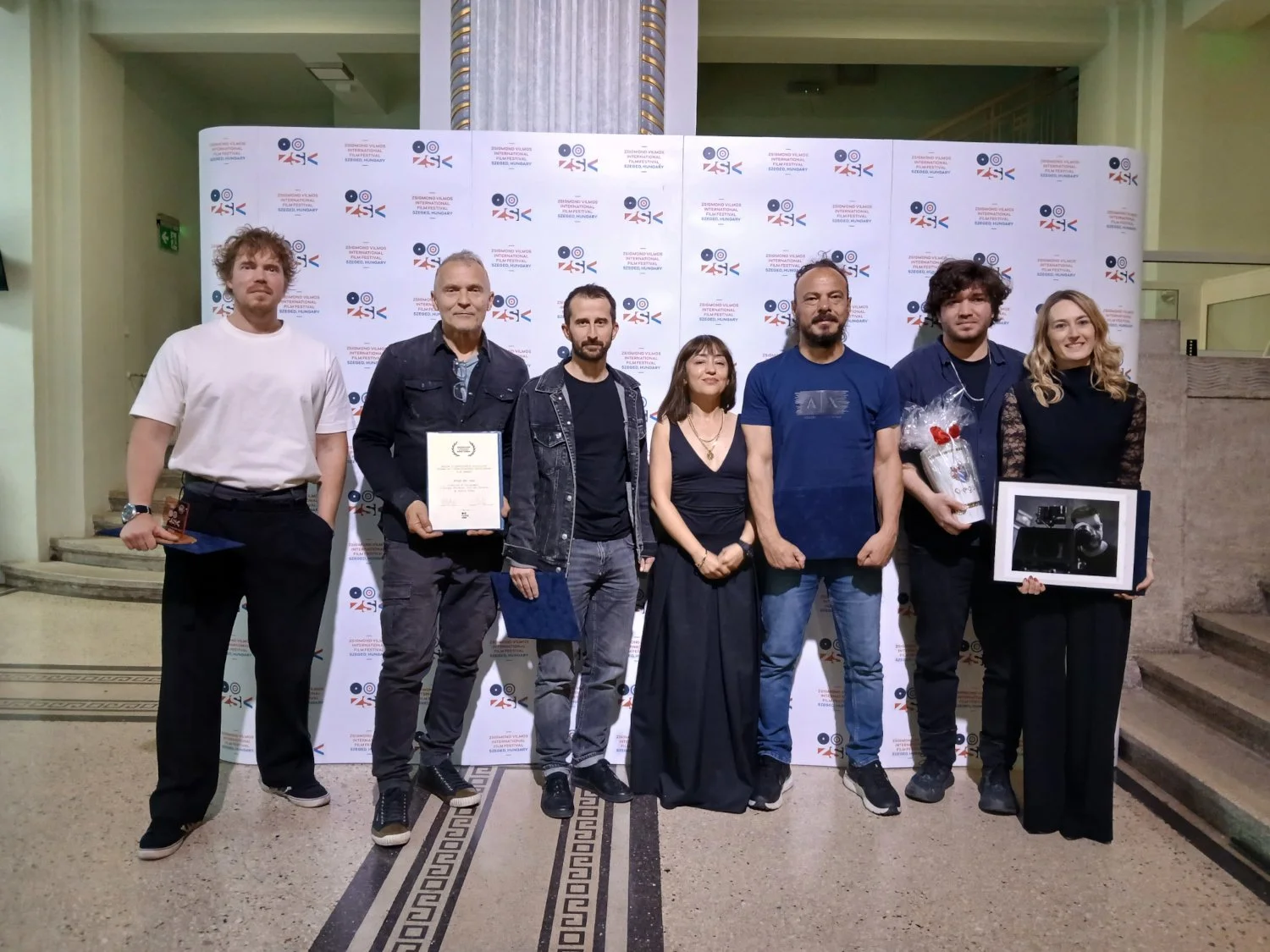
The Cuban-Spanish documentary To the West, in Zapata won the top cinematography award at the 10th Zsigmond Vilmos International Film Festival in Szeged, organizers announced.
Directed and shot by David Bim, the film follows a couple living in Cuba’s remote Zapata Swamp region as they try to care for their son amid the pandemic, social unrest and shortages. The film also received a special mention from the festival’s student jury.
In its statement, the main jury said the film’s cinematography “reveals the complexity, brutality and fragility of the struggle for survival” beyond simply portraying the world on screen.
The award for best full-length feature film went to Silent Friend, directed by Ildikó Enyedi and photographed by Gergely Pálos. The French-German-Hungarian co-production premiered at the Venice International Film Festival and also received a special mention from the critics’ jury.
Three short films received special mentions in the short feature category: Primo Sangue, I Used to Call That Man Home and Family Sunday.
The best short feature film award went to Mexican cinematographer Eliott Reguera for Voices from the Abyss, directed by Irving Serrano and Victor Rejón. The jury praised the film’s compositions and dynamic visual style depicting an extreme sport in which participants risk their lives.
The best documentary award was presented to Michaela Hošková for Fakir, a Czech-Polish-Slovak co-production directed by Roman Ďuriš.
In the music video category, introduced last year, the award went to 6363: NEM VAGYOK NORMÁLIS!!!, directed by Ábel Regős with cinematography by Dániel Bálint.
The Vantage Vision and Special Grip Hungary Award for best young cinematographer went to Gabriel Garai for the music video cs.kalotas | K6 feat. Gently Da Spittah’: Nothing Can Save Me.
The critics’ choice award went to cinematographer Vedat Oyan for the Spanish-Turkish historical drama Fragments from the East, directed by Erkan Yazici, who has cited Béla Tarr as an influence.
The student jury award went to Blue Heron, a Canadian-Hungarian film directed by Sophy Romvari about a Hungarian-descended family across generations. The award recognized cinematographer Maya Bankovic.
The City of Szeged Award was presented to Kurtág Fragments, a documentary about composer György Kurtág. The film was photographed by Tamás Dobos, Márton Vízkeleti and Áron Farkas.
The Association of Hungarian Film Directors awarded Stars of Little Importance, photographed by Csaba Bántó and directed by Renátó Olasz, while Later in the Clearing received a special mention.
The Hungarian Cinematographers Association (HCA) honored the cinematographers of Earth and Iron — Claudia Kovács, Zoltán Lovasi and Zsolt Tóth — with a special Sándor Kardos photography award.
A posthumous award was also presented to cinematographer Balázs Dobóczi for his work on Silent Zone.
Festival organizers additionally announced the winners of two youth competitions. Áron Kojnok won the video competition dedicated to the legacy of Vilmos Zsigmond. In the festival’s essay competition, Hanni Juhász placed first, followed by Eszter Apolka Kovács and Dóra Jakabffy. All three wrote essays about the music video Beton.Hofi – Tarr Béla.
Photo: ZSIFF
