Glass Szilassi polyhedron sculpture unveiled at University of Szeged
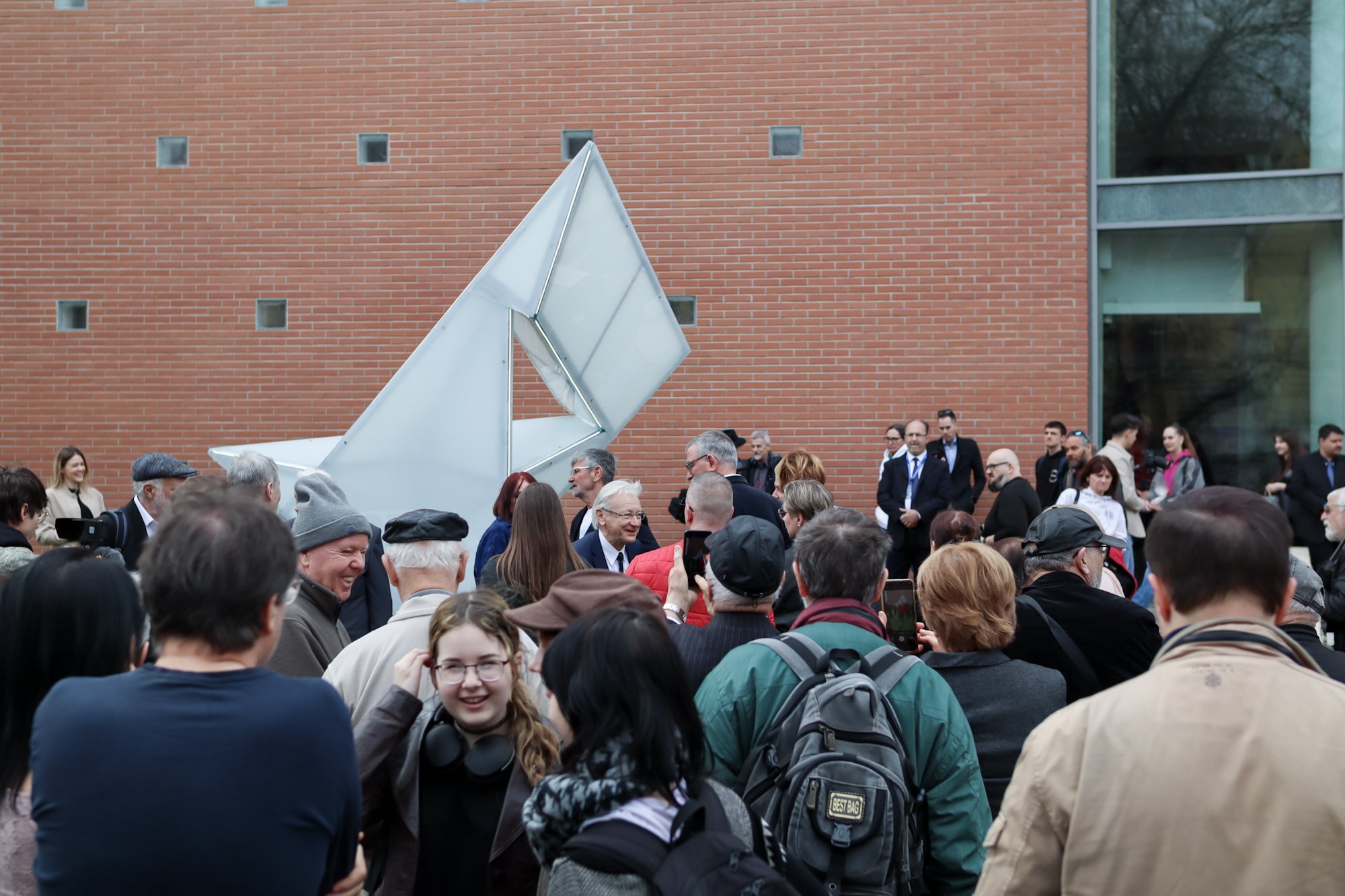
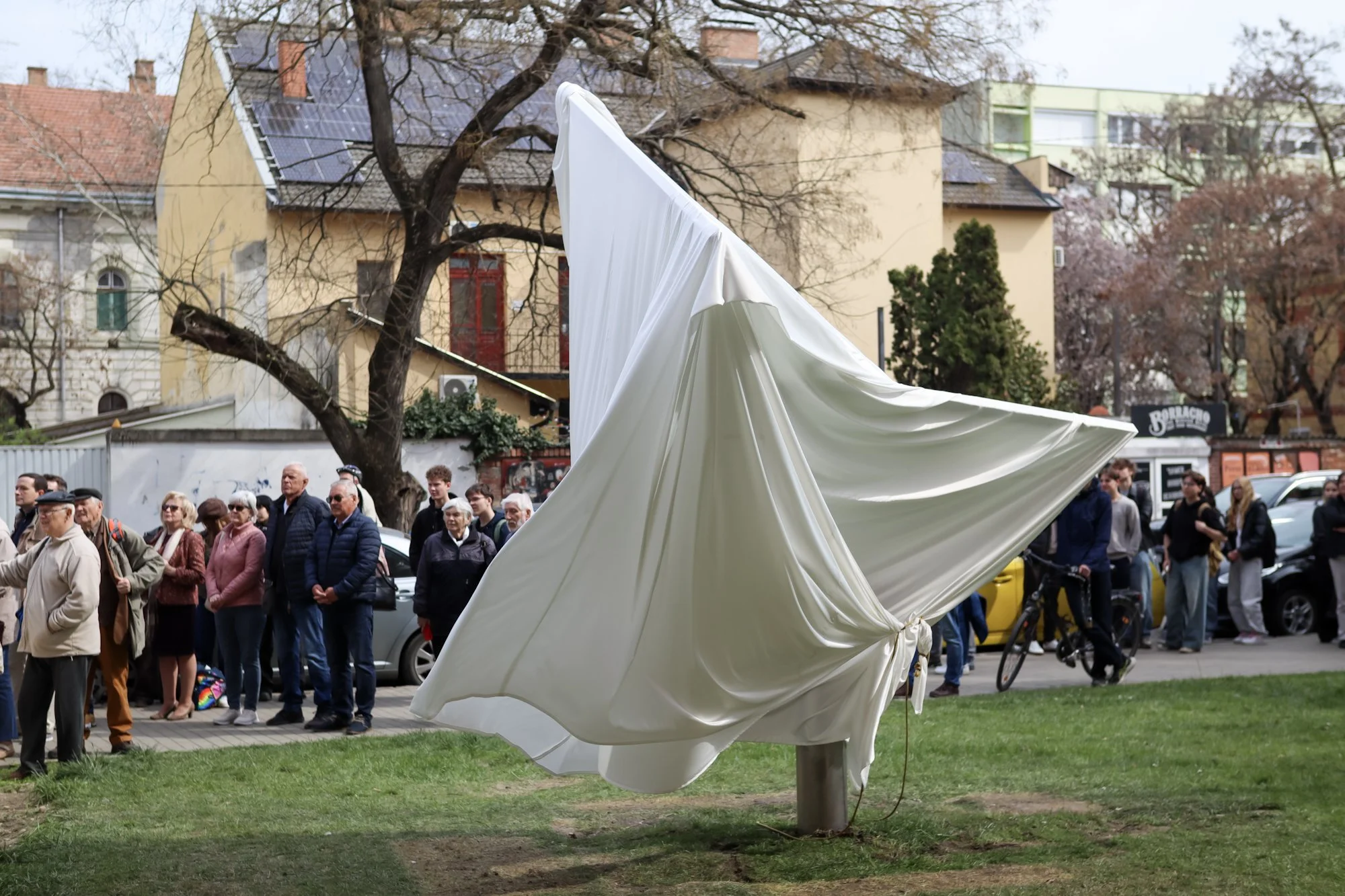
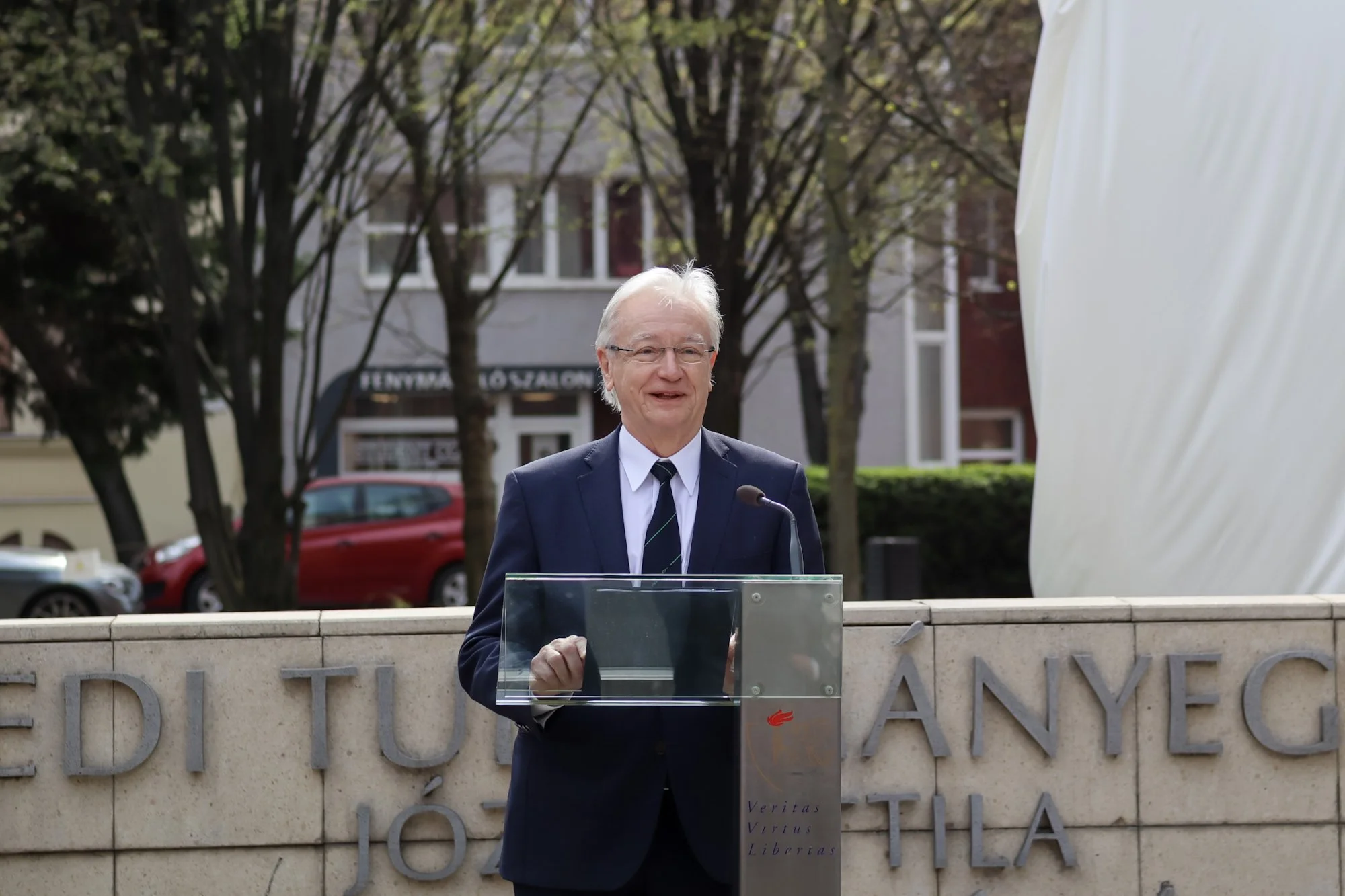
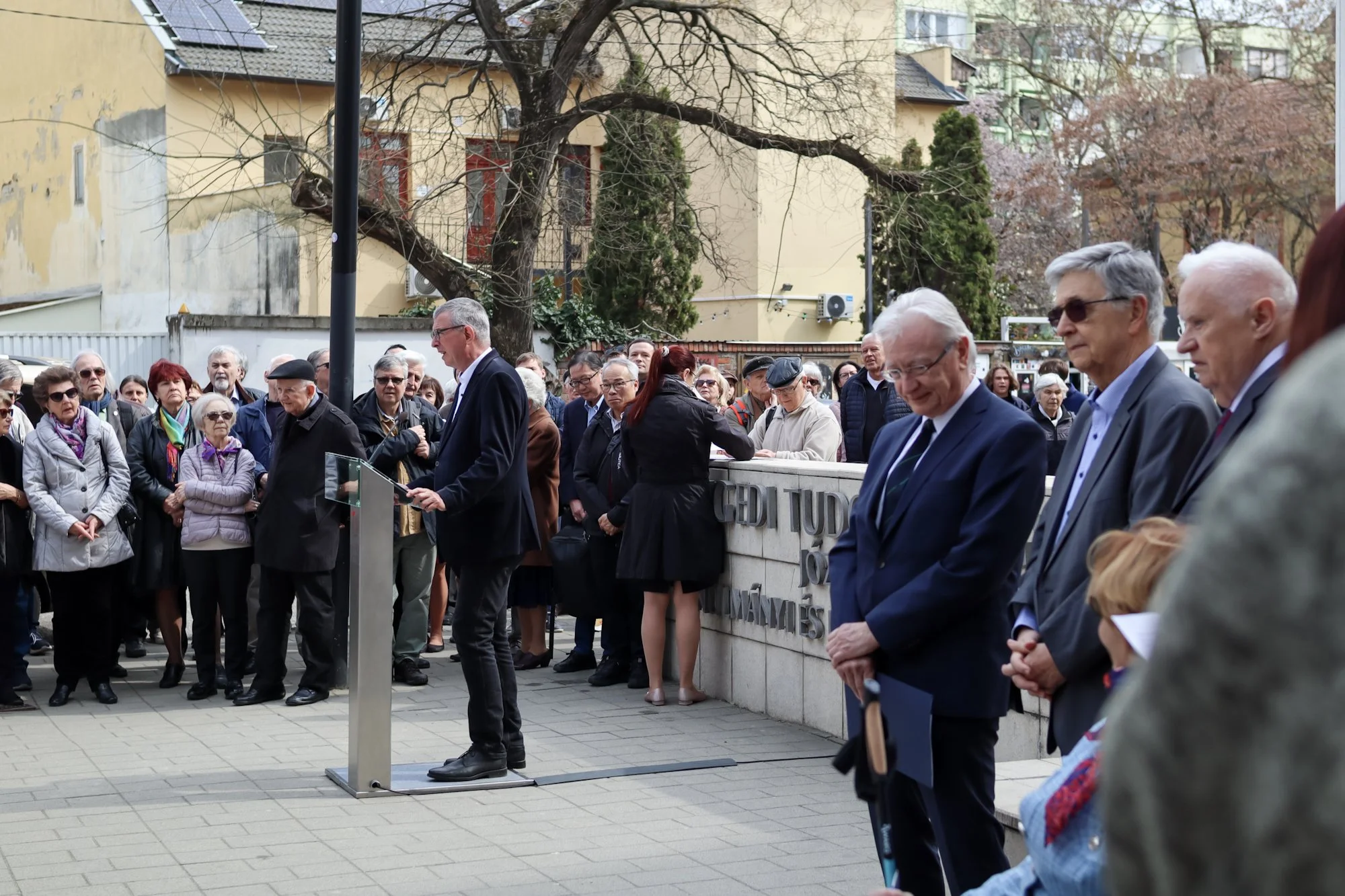
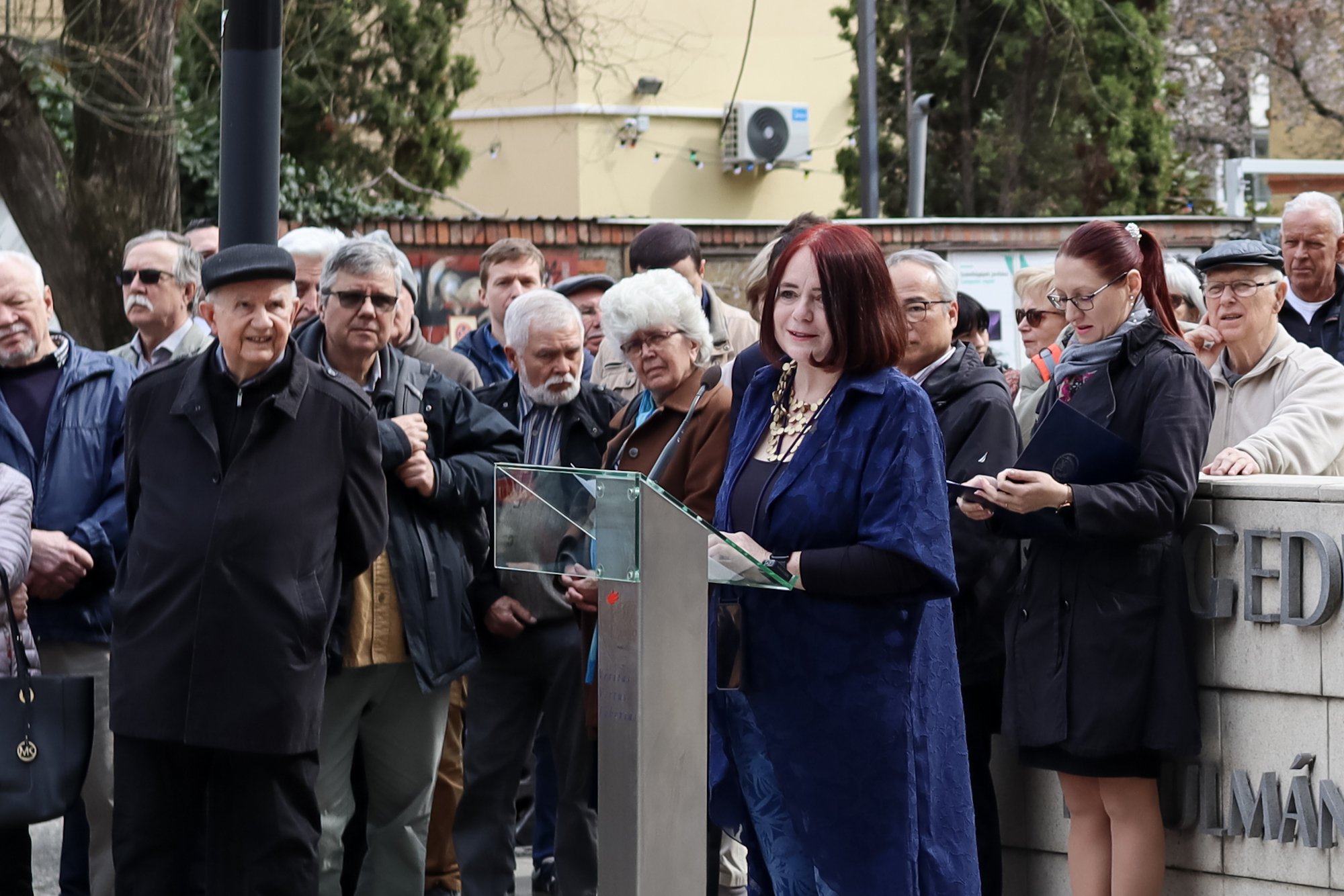
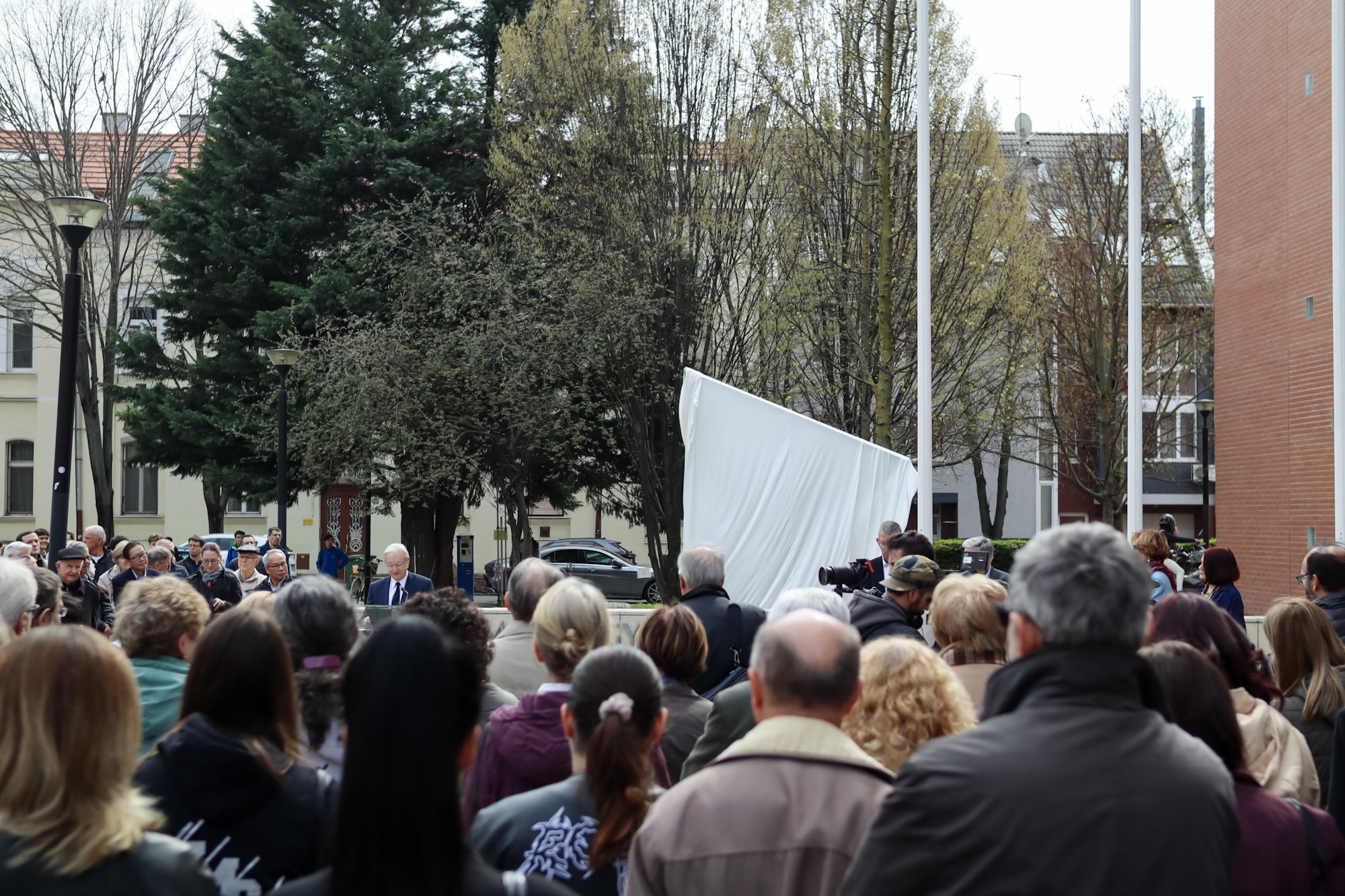
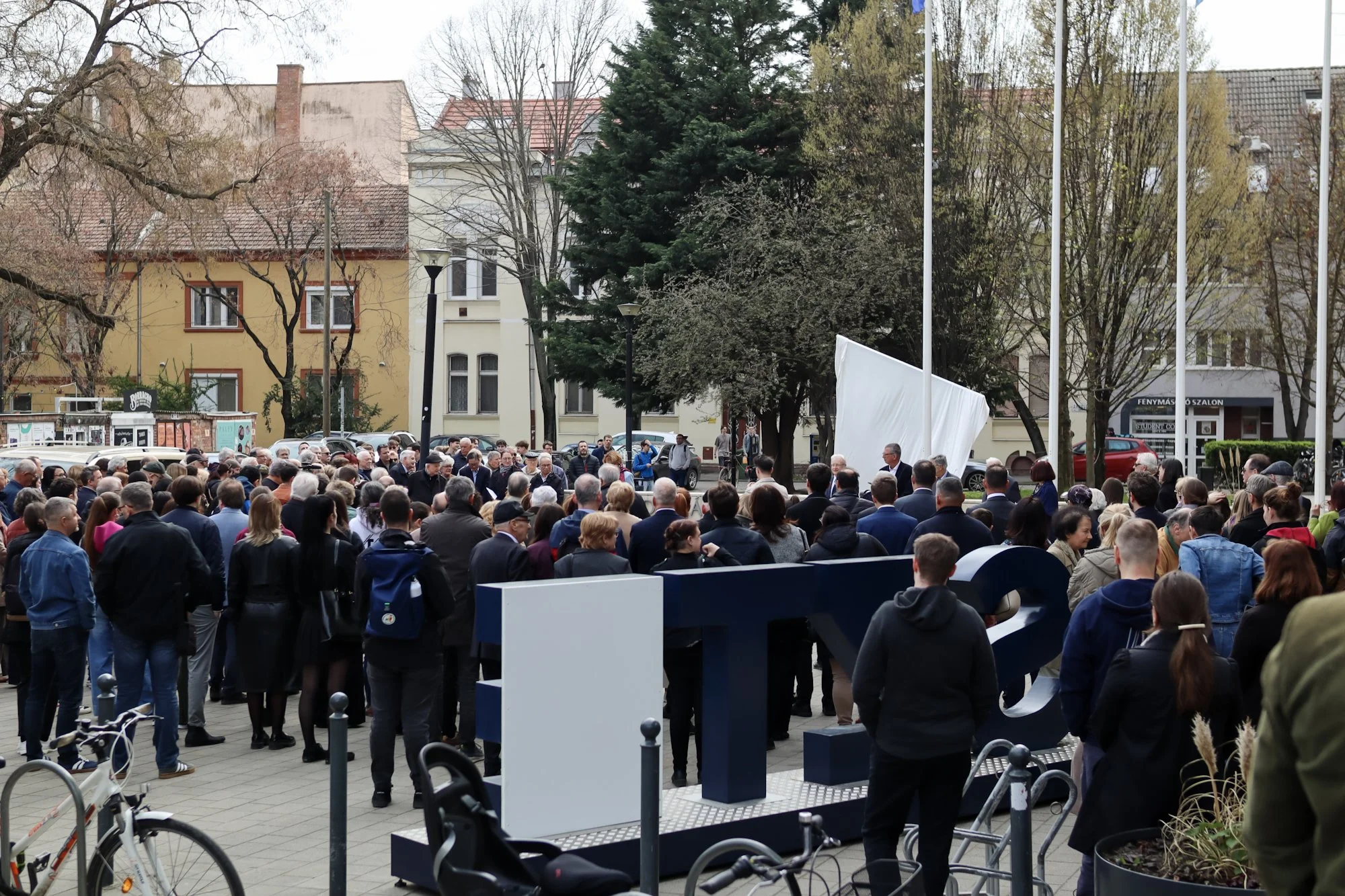
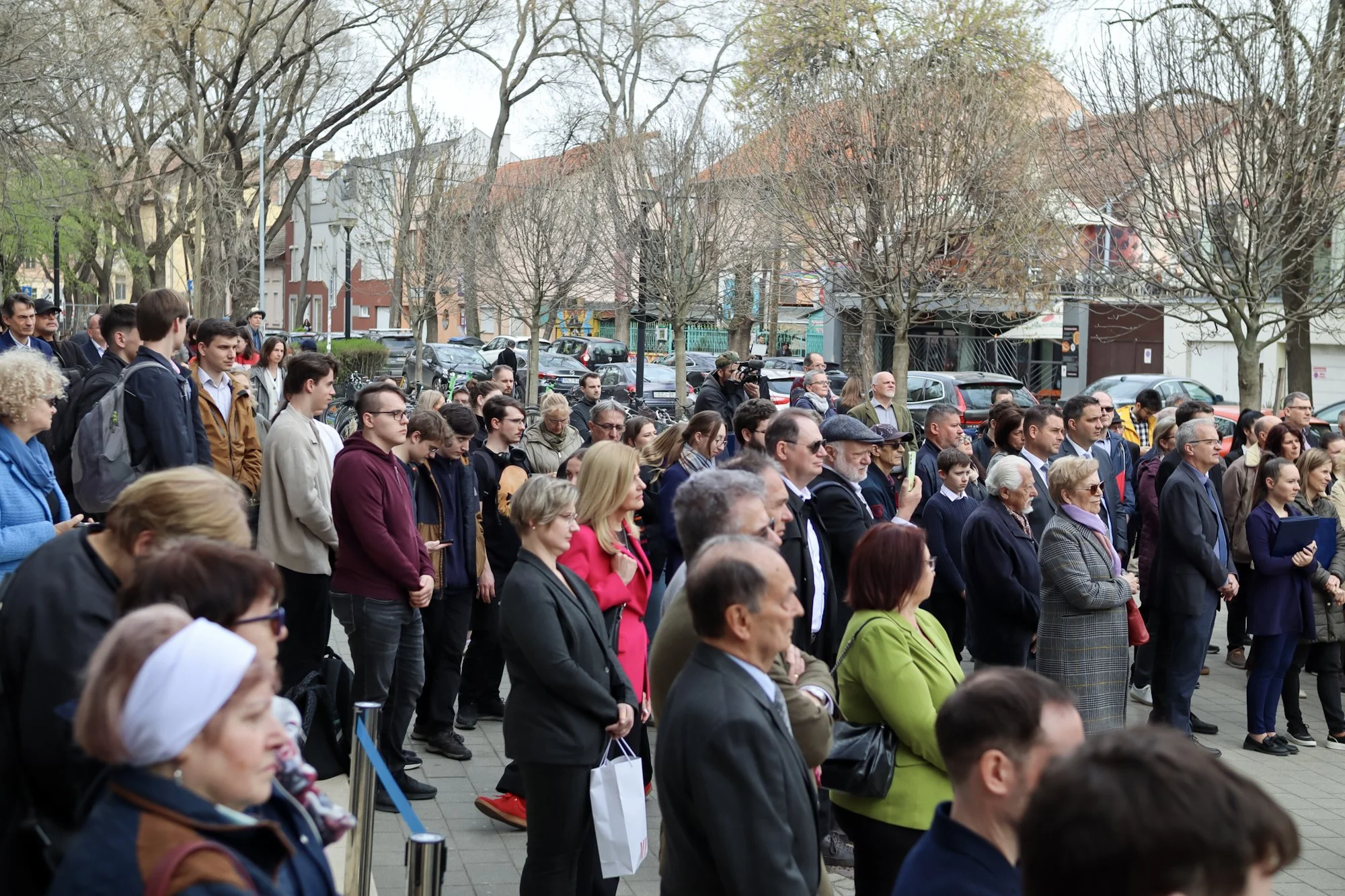
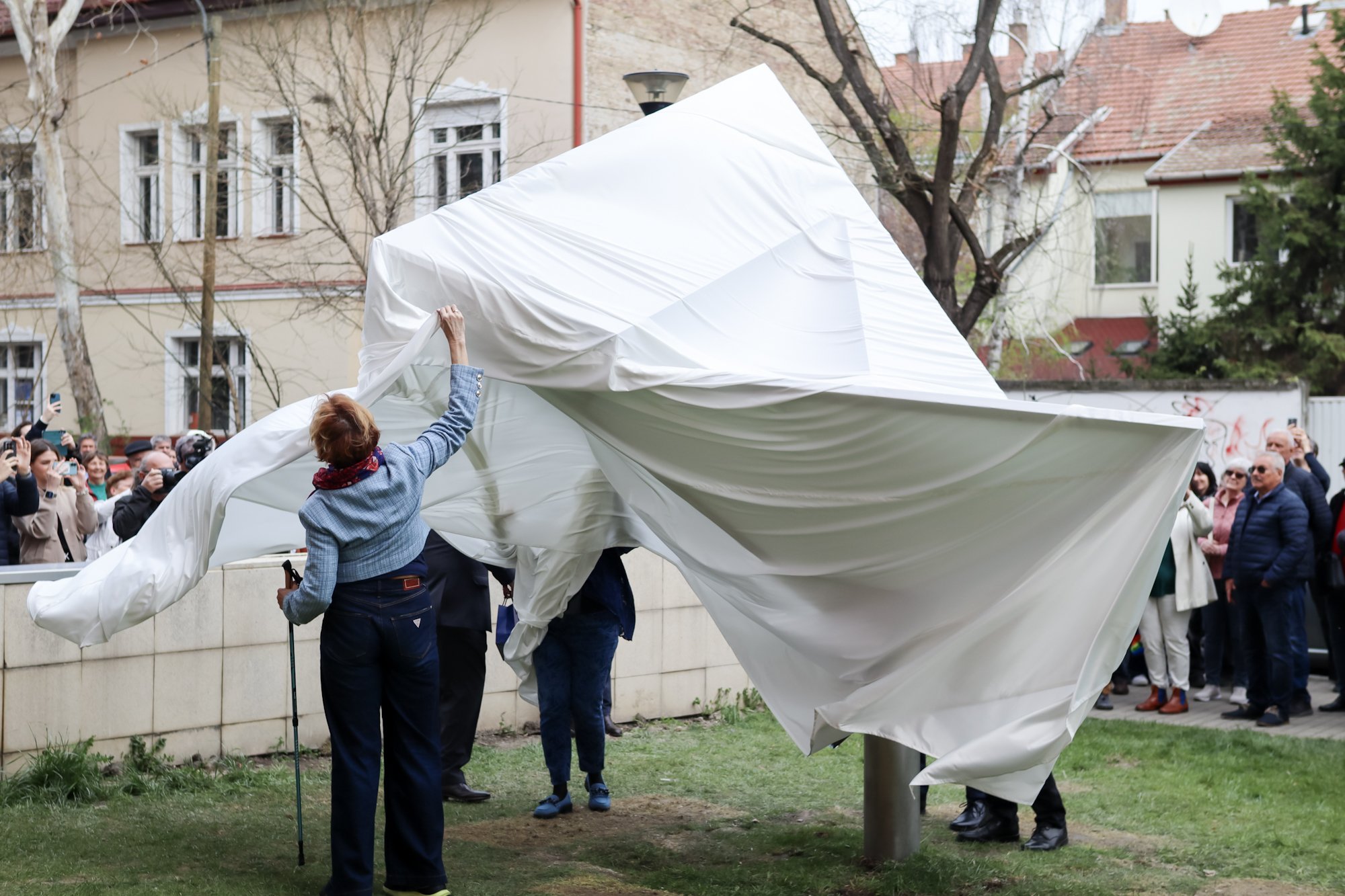
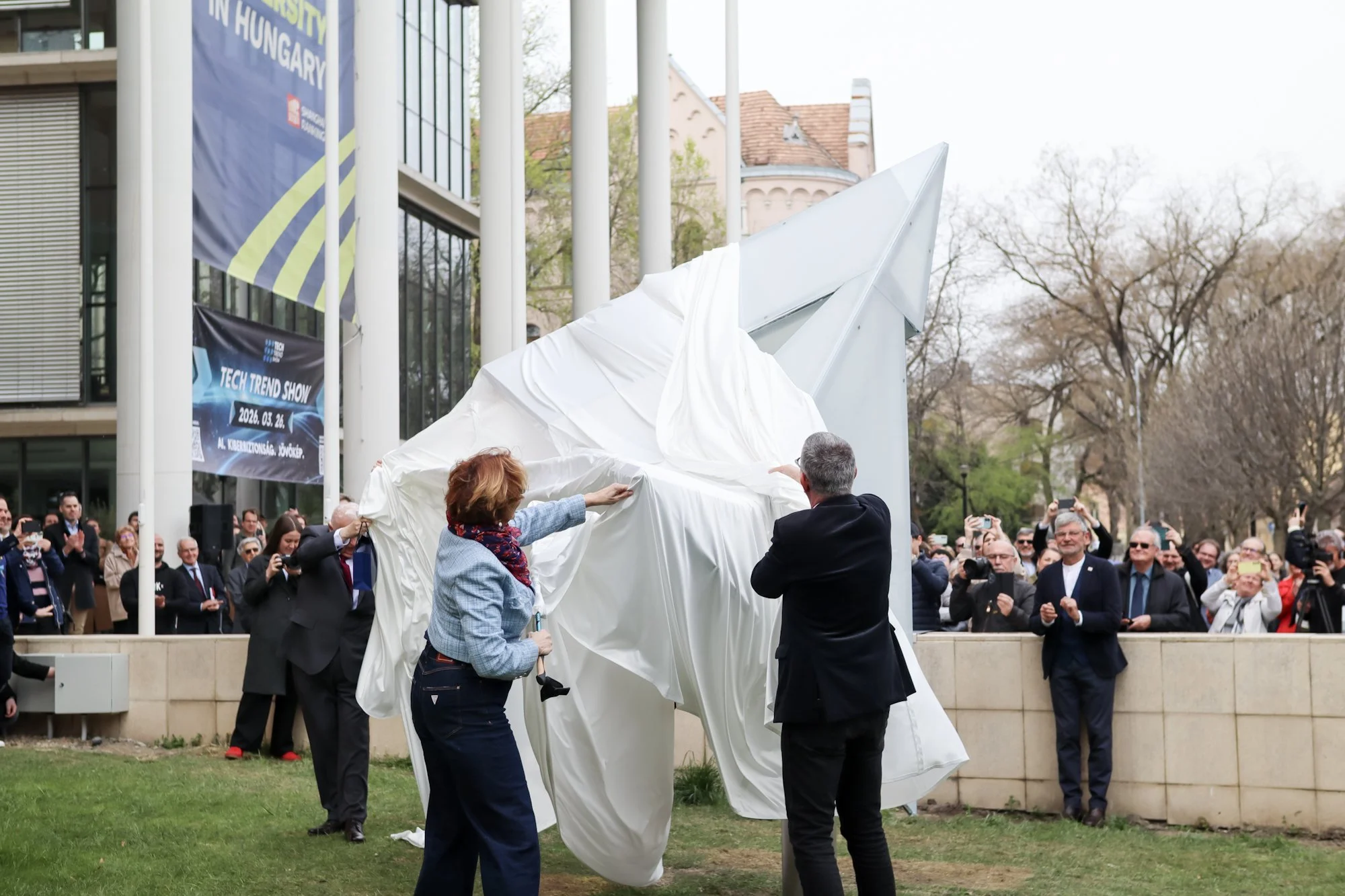
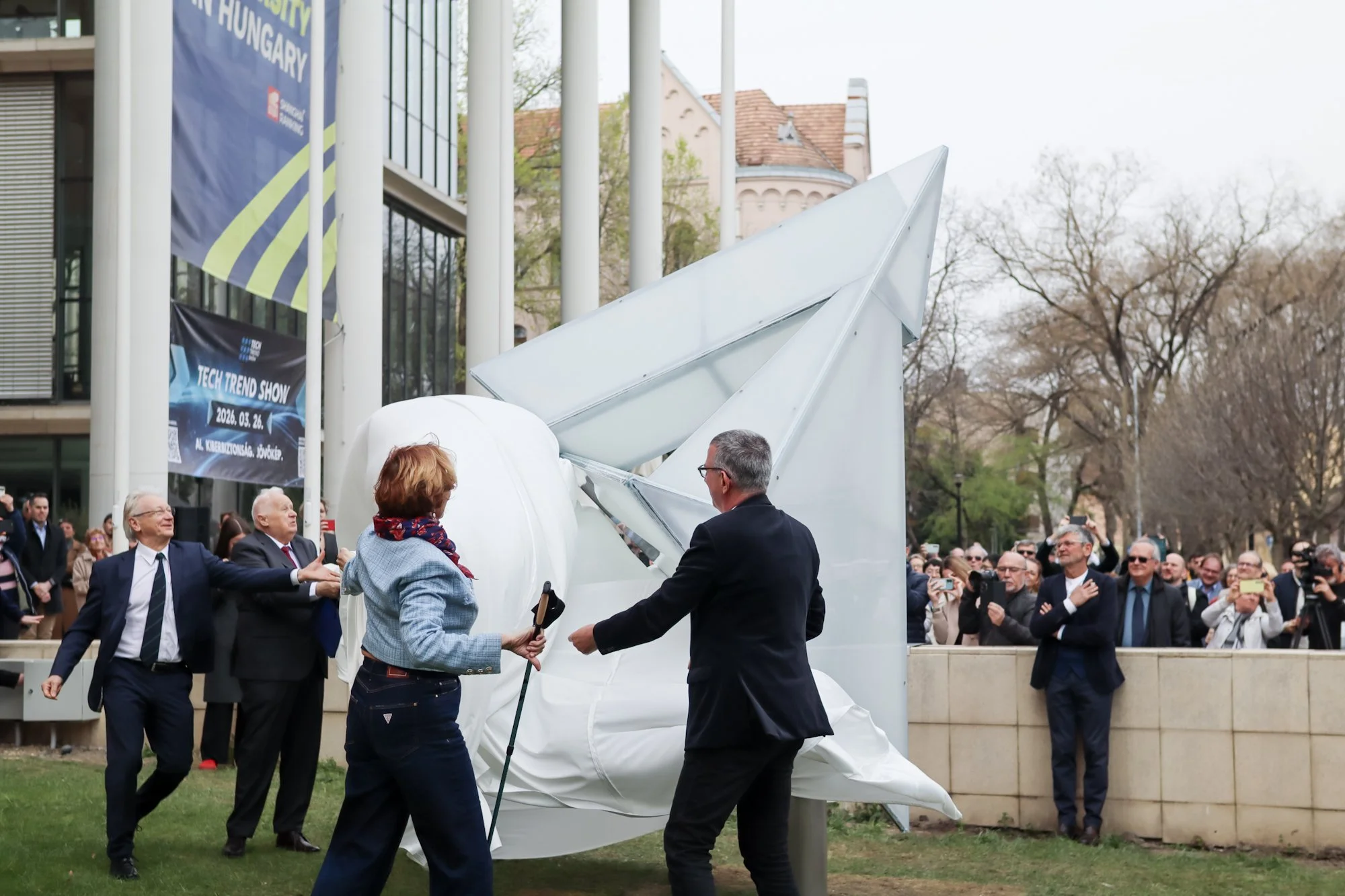
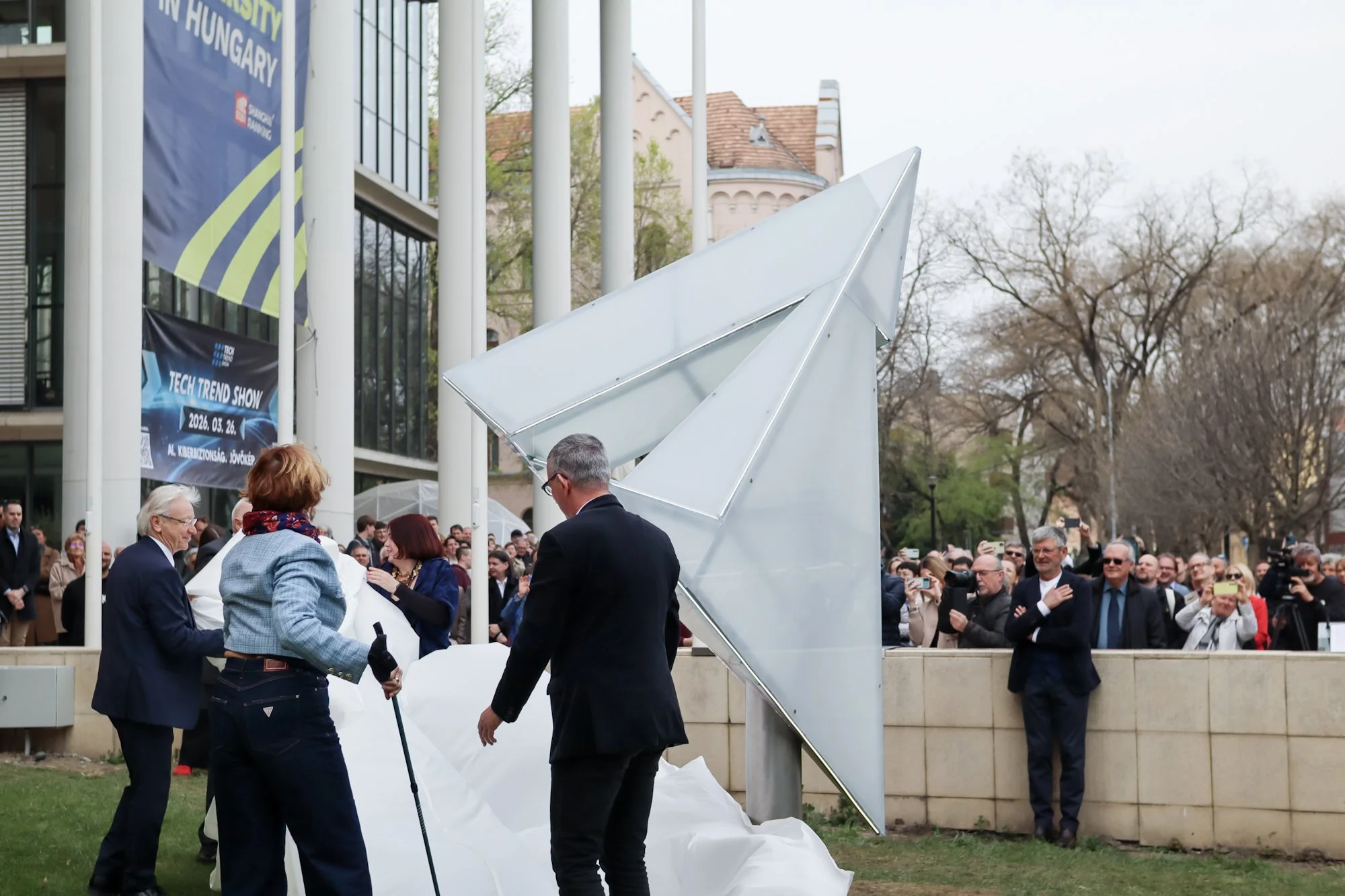
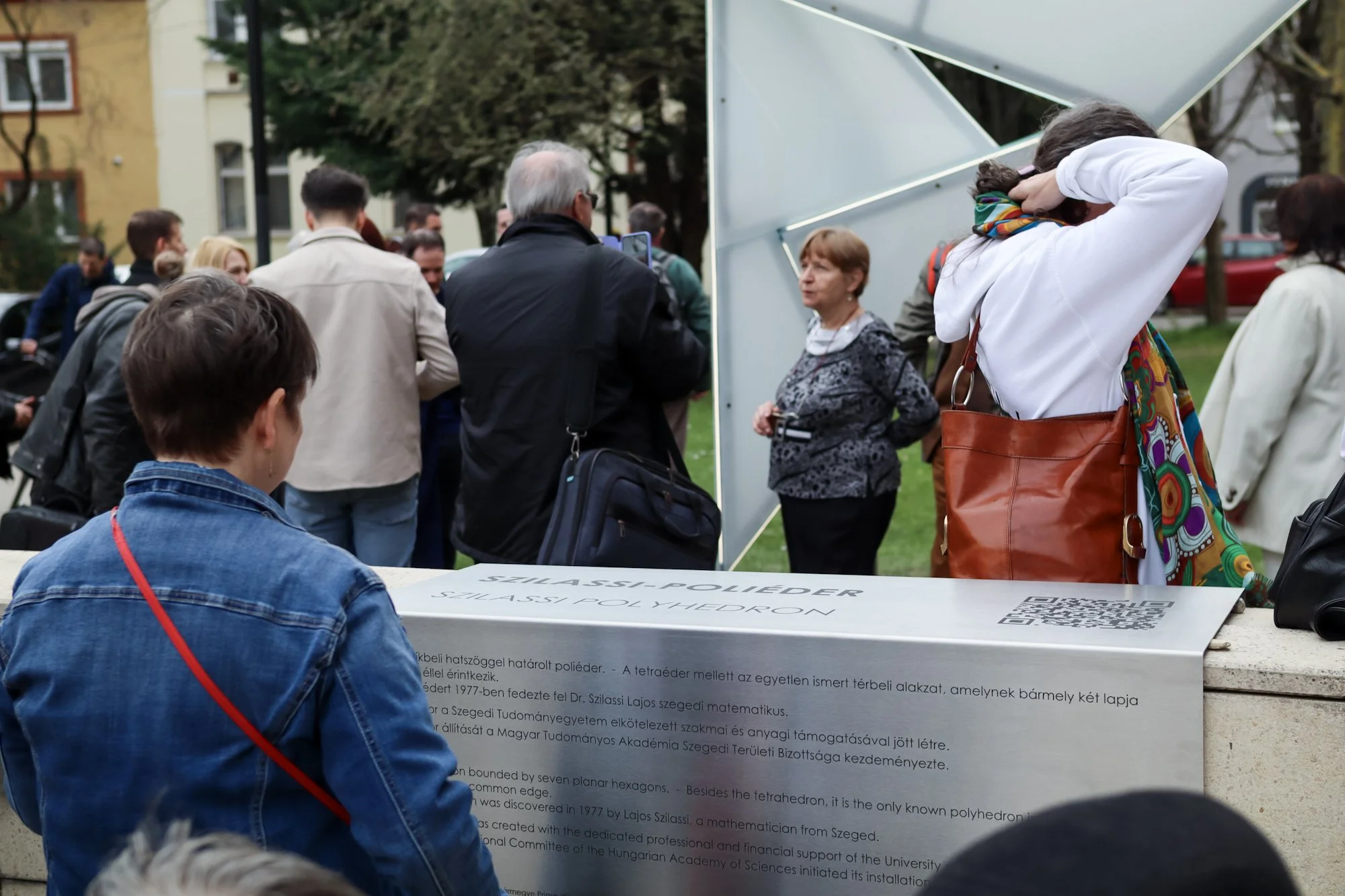
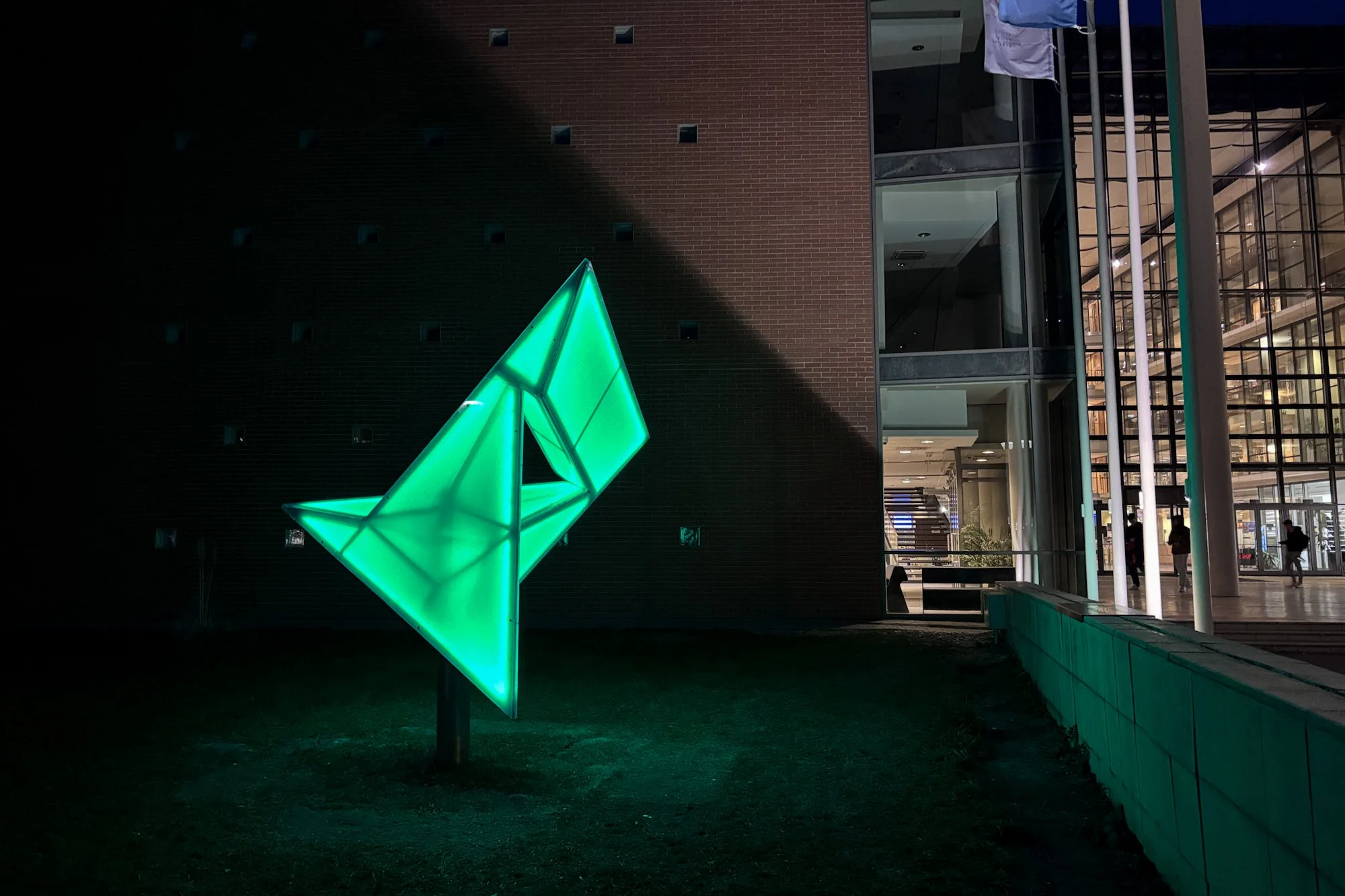
SZEGED, Hungary — A public sculpture based on the Szilassi polyhedron, a globally recognized mathematical discovery, was unveiled on March 26, 2026, in front of the University of Szeged’s József Attila Study and Information Center (JATIK).
The glass-and-steel installation commemorates the work of Hungarian mathematician Lajos Szilassi, who discovered the unique geometric form in 1977. The unveiling was part of anniversary events marking the 65th anniversary of the Szeged Regional Committee of the Hungarian Academy of Sciences and the bicentenary of the Hungarian Academy of Sciences.
The Szilassi polyhedron is known for a rare property: all seven of its faces share an edge with every other face, making it unique among known polyhedra apart from the tetrahedron. The discovery gained international attention after it was featured in Scientific American by science writer Martin Gardner.
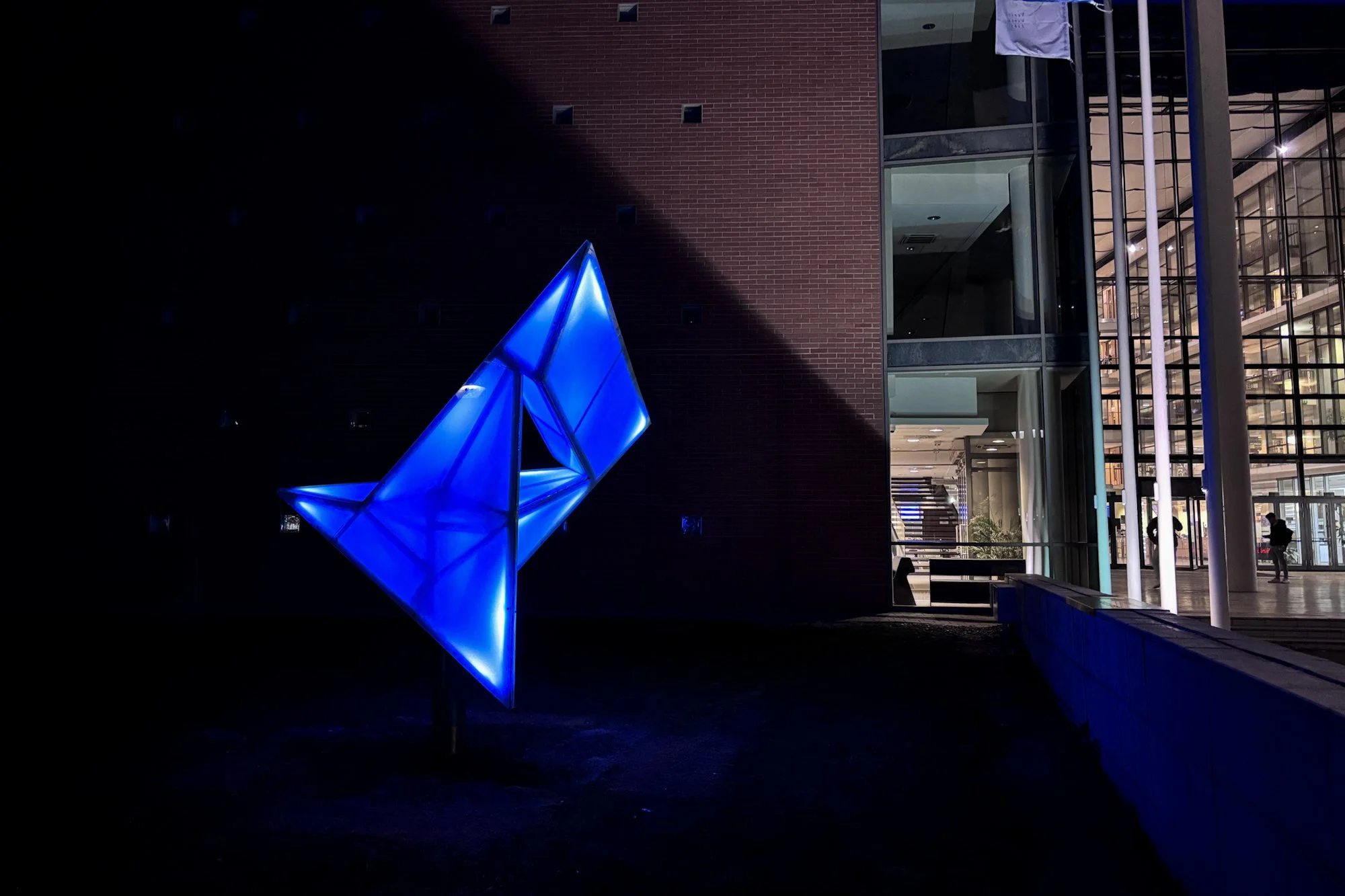
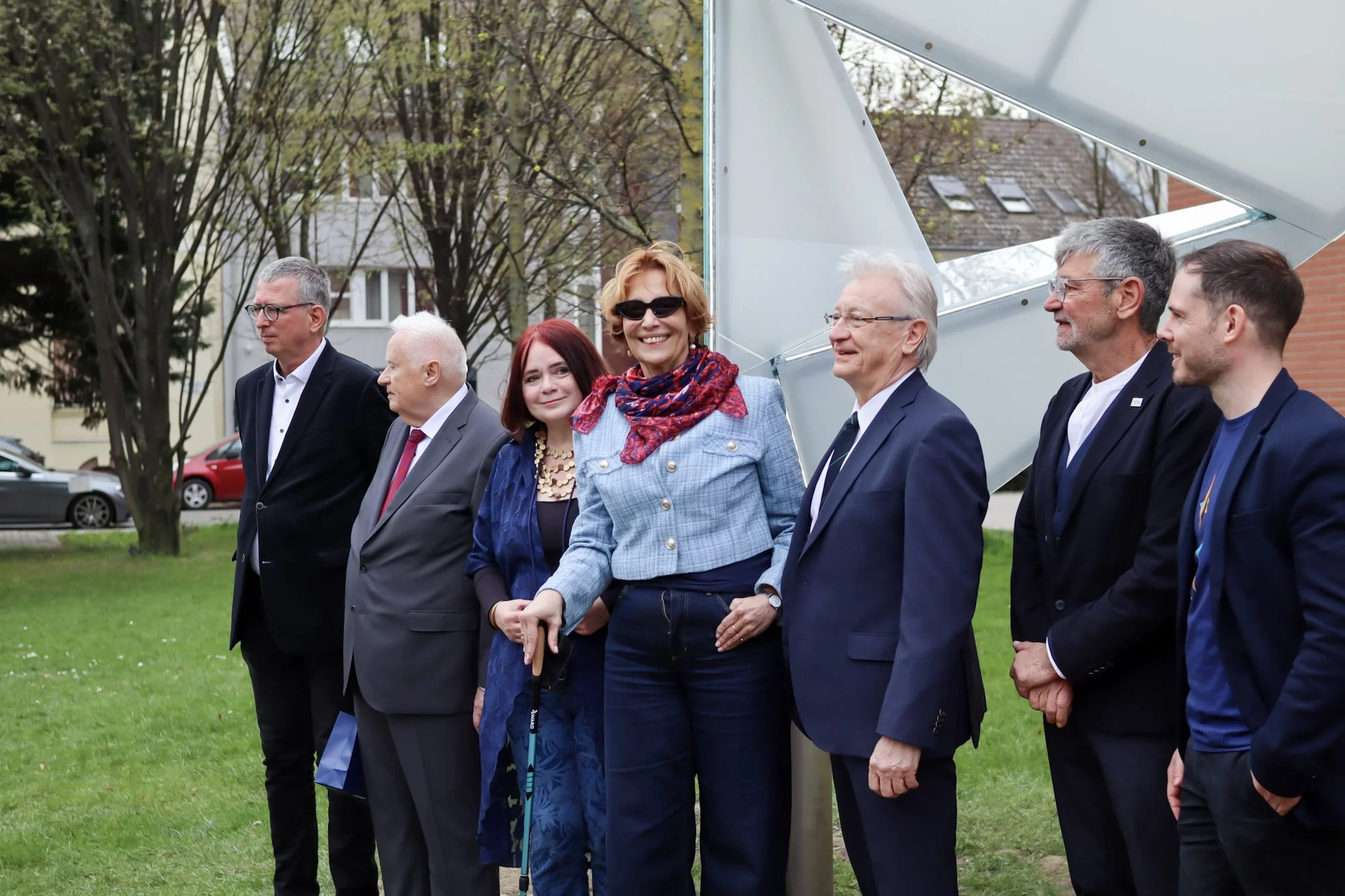
The sculpture was created by glass artist Dorka Borbás, in collaboration with architects Péter Vesmás and Tamás Szögi. Its translucent structure is designed to interact with light, allowing the form to appear differently depending on viewing conditions.
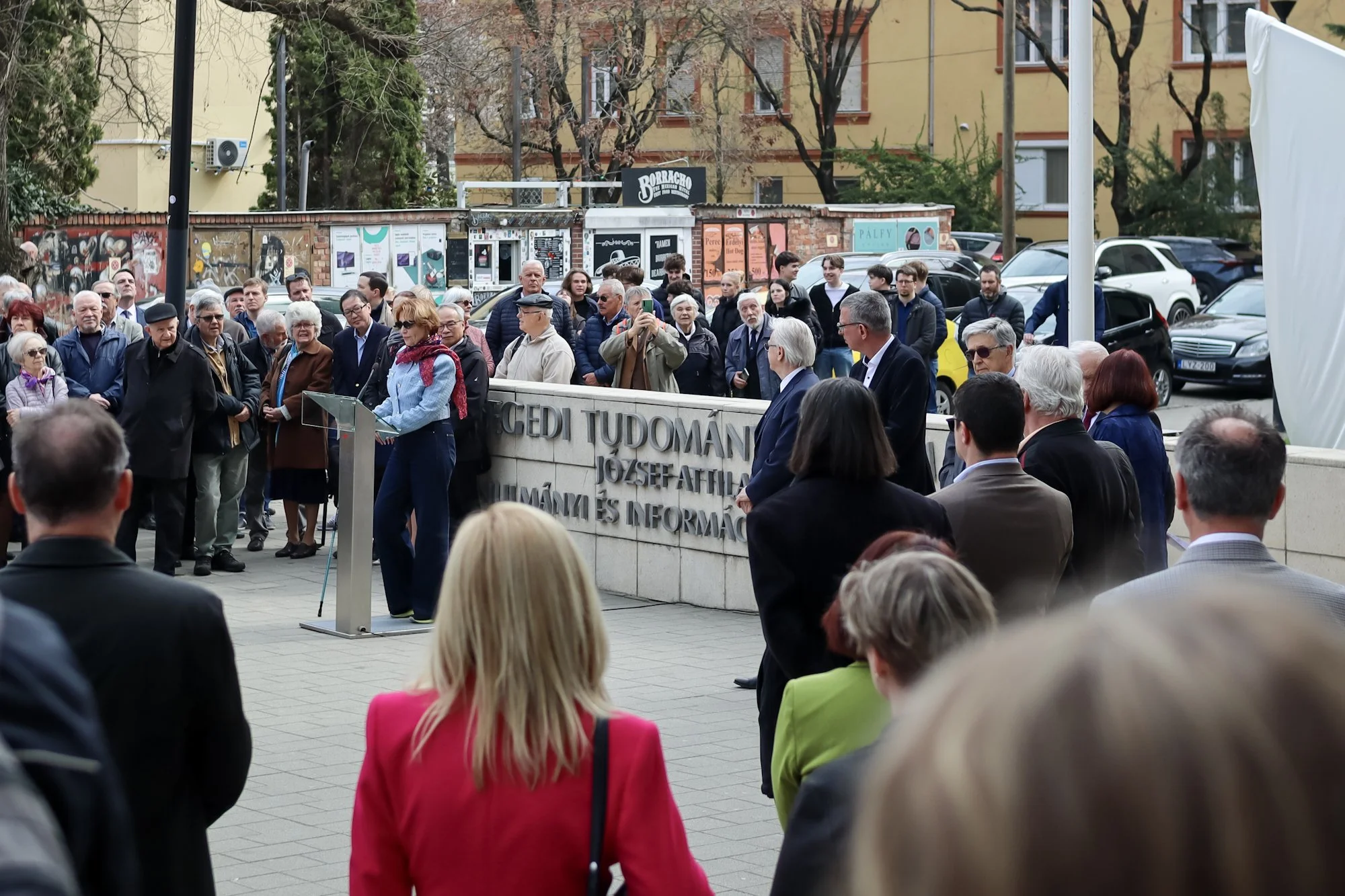
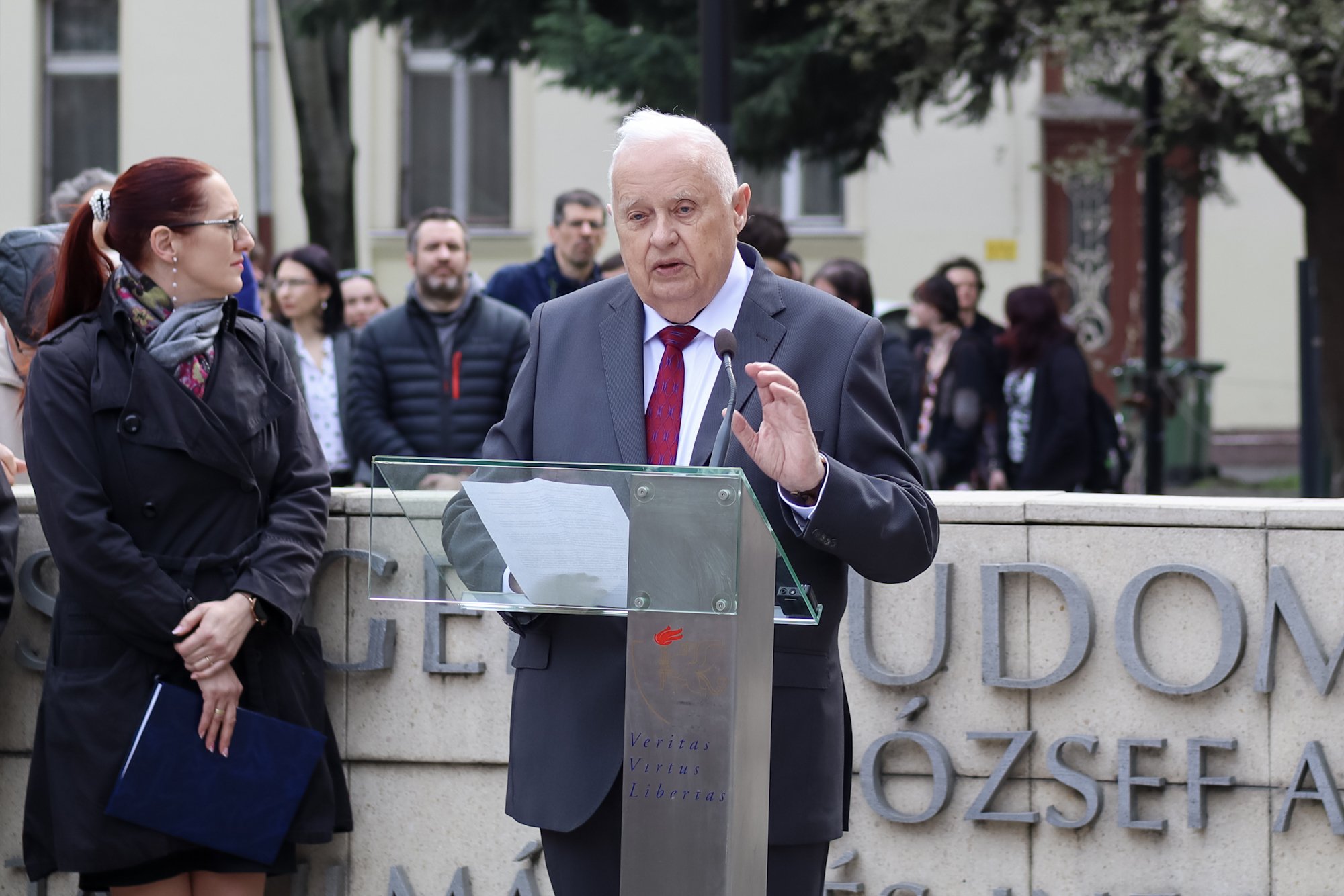
Speaking at the ceremony, University of Szeged Chancellor Judit Fendler said the sculpture represents not only a mathematical achievement but also the role of creativity and persistence in scientific discovery.
Tibor Krisztin, president of the regional academic committee, said the installation was intended to bring science into public space and make it more accessible. He noted that similar representations of the polyhedron can already be found on three continents.
Vice-Rector Péter Zakar said the sculpture may inspire curiosity among students and visitors, emphasizing the role of questioning in scientific progress.
The initiative to install the sculpture was led by the regional committee of the Hungarian Academy of Sciences, with support from the University of Szeged and the city of Szeged.
An accompanying exhibition showcasing stainless steel models of related polyhedra opened the same day at the committee’s headquarters, offering visitors additional insight into the relationship between mathematical structures and visual form.
Photos: Szilvia Molnar / Szegedify
