Hungary heads to the polls in closely watched national election
Hungary will hold a national election on Sunday, April 12, in a vote that is drawing heightened attention both domestically and internationally, with observers describing it as one of the most closely followed contests in recent years.
Voters will elect members of parliament who will determine the country’s next government. The election comes at a time of continued debate over Hungary’s economic outlook, its relationship with the European Union, and broader questions about governance, public services and cost of living.
For international audiences, Hungary operates a mixed electoral system that combines single-member districts with party lists. This means voters typically cast ballots both for individual candidates in their constituencies and for national party lists, which together determine the final composition of parliament.
The campaign period has seen intensified political messaging, high turnout expectations and strong engagement across media platforms. Analysts note that the outcome could have implications not only for domestic policy but also for Hungary’s positioning within the EU and its relations with international partners.
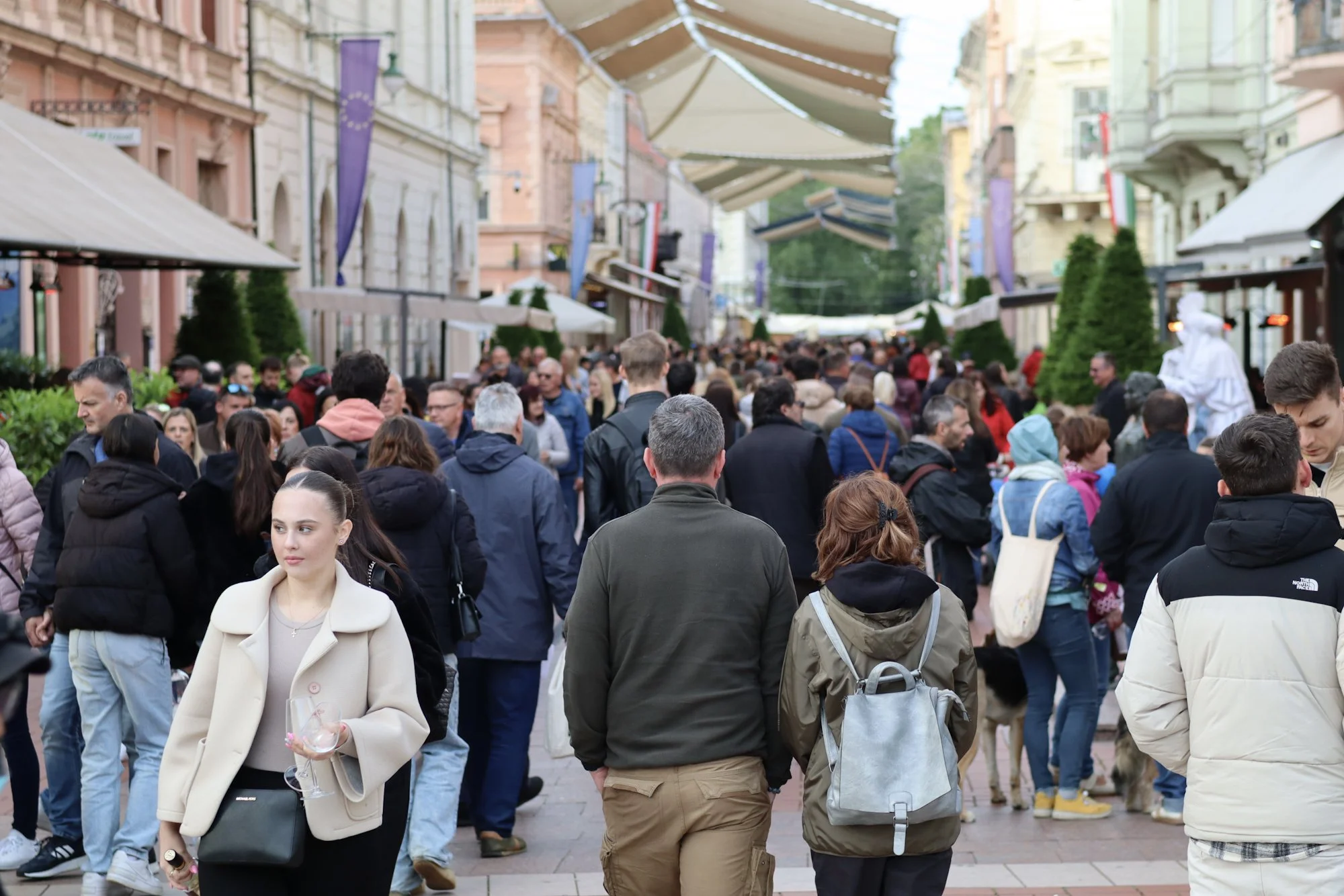
In Szeged, public interest in the election is particularly visible. Cafés, bars and community spaces across the city are expected to host informal gatherings on Sunday evening, where residents – including international students and expatriates – will follow the results as they come in.
Preliminary results are typically released throughout the evening after polls close, with near-final outcomes often becoming clear later that night, although official certification may take longer.
For foreign residents in Hungary, eligibility to vote depends on citizenship and residency status, but many in the international community continue to follow the election closely due to its potential impact on daily life, economic conditions and the country’s future direction.
As Hungary prepares for decision day, turnout levels and voter sentiment will be key indicators of how engaged the electorate is – and how decisive the result may ultimately be.
Featured image: Ballot boxes at a press briefing presenting the printing of ballot papers for the April 12 parliamentary election at the Halom Street facility of ANY Security Printing Company in Budapest, March 23, 2026. Photo: Zoltán Balogh/MTI
Related