New tradition launched on University Day as SZTE hosted the first-ever JATE Award Gala
November 15, 2025, was a milestone day in Szeged’s academic life, as the University of Szeged marked its heritage and future with two major celebrations: the University Day ceremony in the morning and the inaugural JATE Award Gala in the evening. The events highlighted 150 years since the birth of former culture minister Kuno Klebelsberg, 25 years since the creation of the unified University of Szeged (SZTE), and the launch of a new tradition founded by Nobel laureate Katalin Karikó.
Celebrating 150 years of vision and 25 years of integration
The University of Szeged marks University Day on the Saturday closest to November 11 to commemorate the date in 1872 when teaching began at its legal predecessor, the University of Cluj (Kolozsvár).
At the University Day ceremony, Rector László Rovó emphasized the dual anniversary: the 150th birthday of Kuno Klebelsberg – who played a key role in shaping Szeged into a regional scientific and cultural hub – and the 25 years since SZTE adopted its integrated structure.
Klebelsberg, Rovó said, was a statesman with a long-term vision for Hungary’s intellectual and scientific development. His efforts led to the construction of many of the university’s emblematic buildings and clinical facilities, and his commitment to attracting leading scholars brought Nobel laureate Albert Szent-Györgyi to Szeged.
Rovó noted that the 2025–2026 academic year is especially significant: the integration carried out 25 years ago created a coherent, interconnected university “functioning like a living organism.” Today, SZTE’s twelve faculties operate on a shared platform built on merit, providing strong support for young researchers preparing to enter the international scientific arena.
Despite the loss of access to several EU-supported programs, Rovó said the integrated structure helps SZTE maintain international collaborations. The university now partners with leading institutions worldwide, including the World Health Organization, the Pasteur Network, and the EUGLOH association.
He highlighted the university’s expanding infrastructure – particularly the Science Park – where cutting-edge laboratories and equipment allow SZTE to participate in new domestic and global research networks. Rovó added that having “three world-class institutions side by side” inevitably leads to a fourth, expressing hope that this principle will also apply to SZTE’s growing list of Nobel laureates.
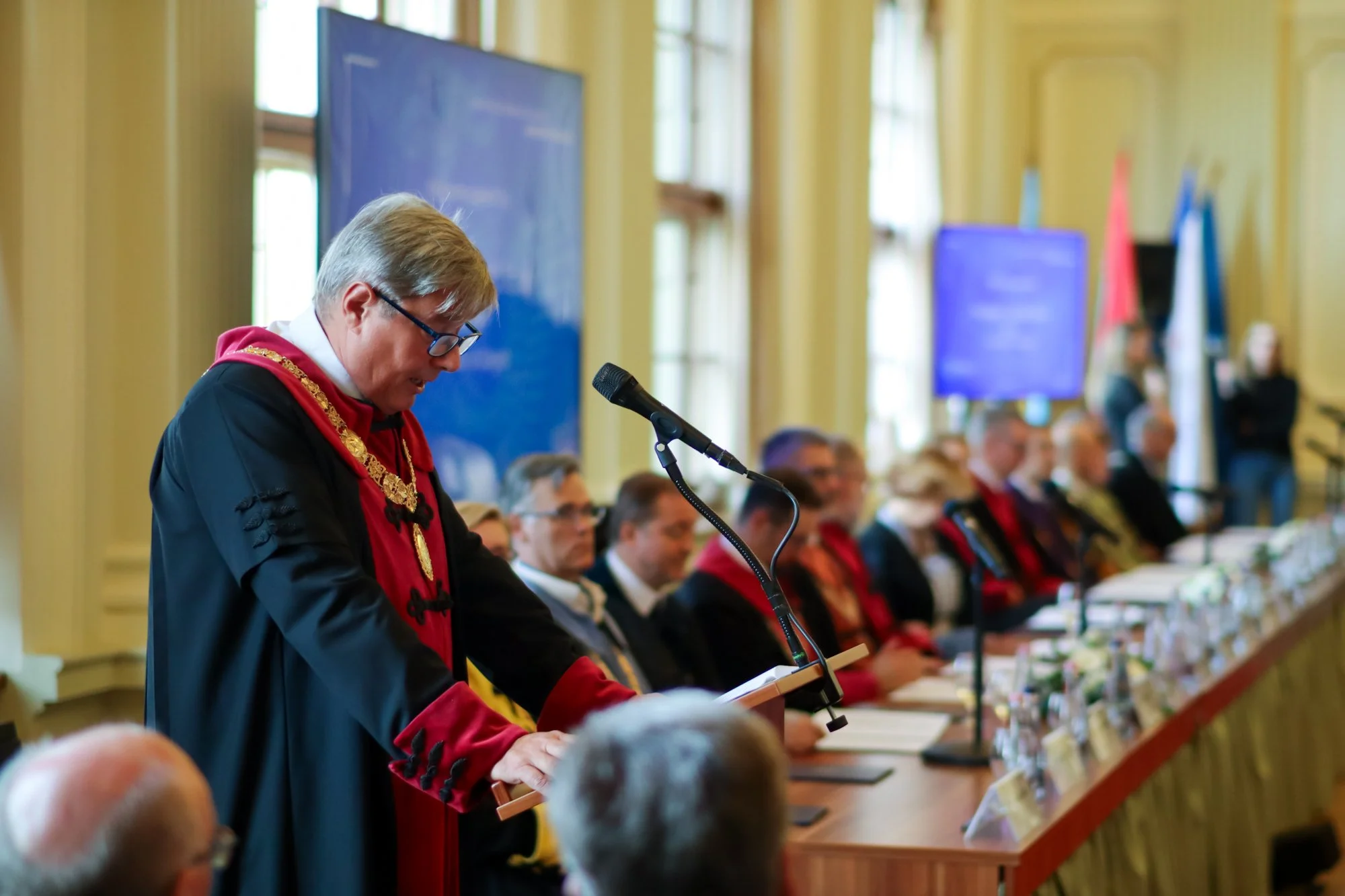
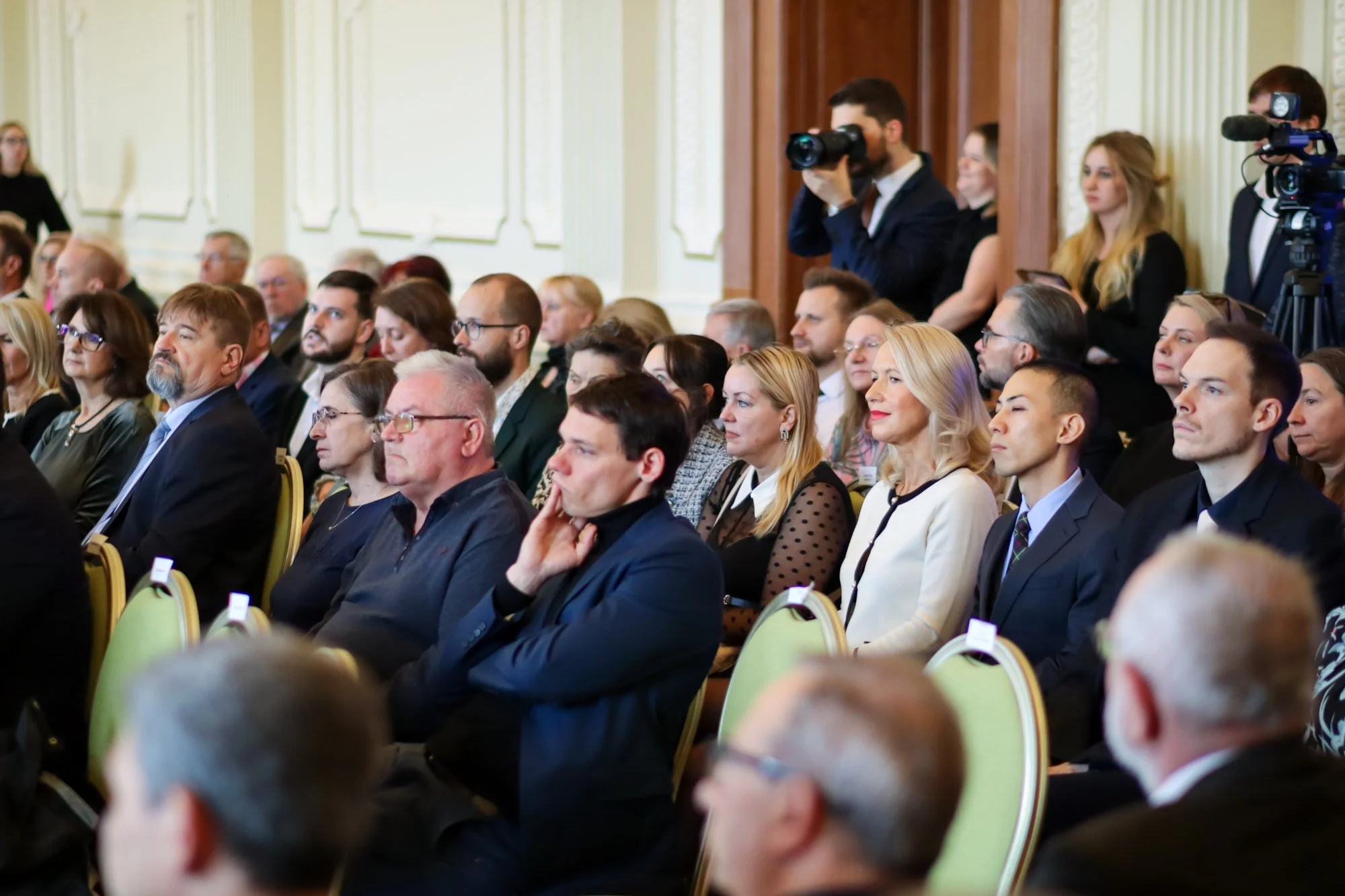
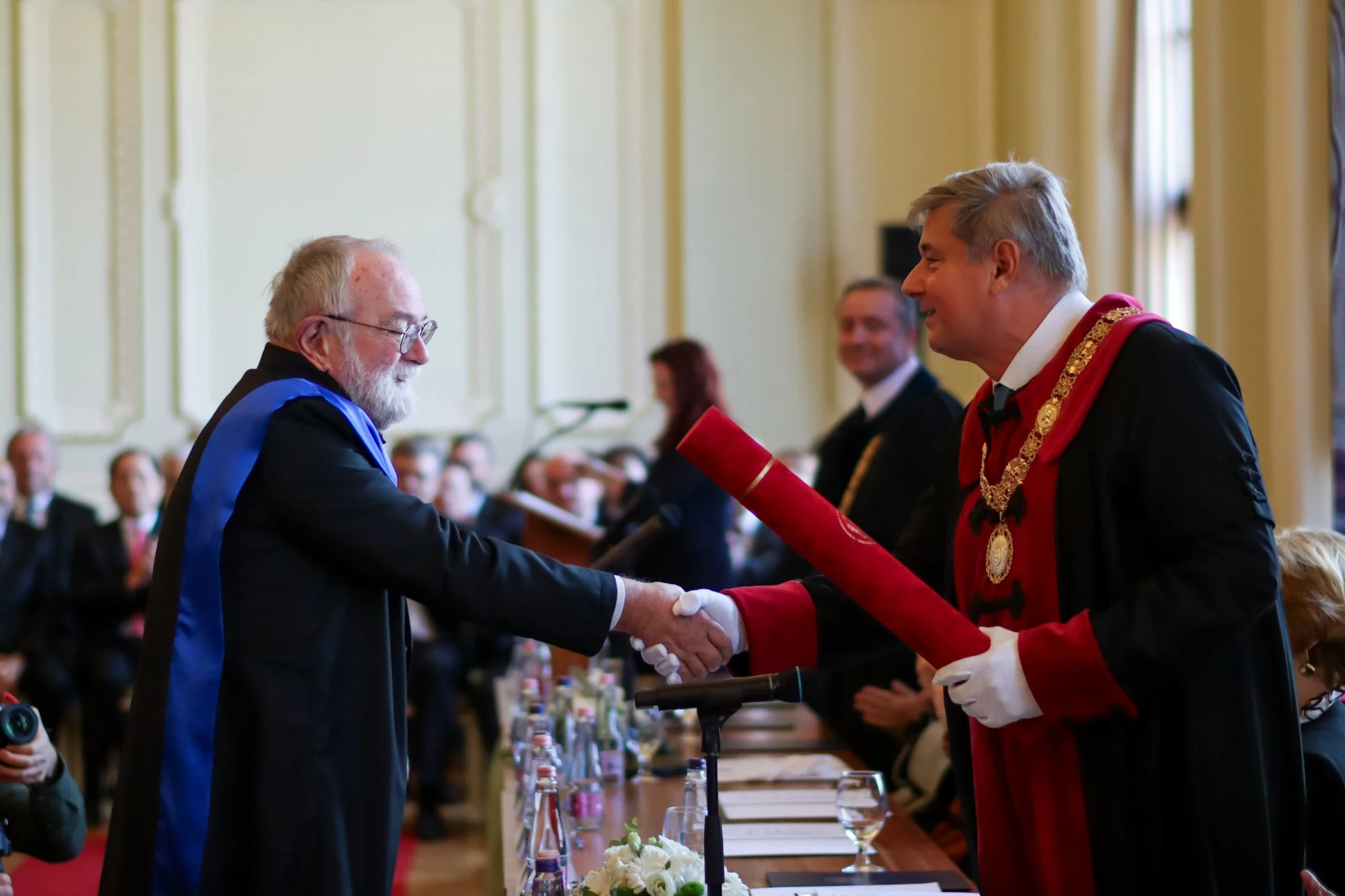
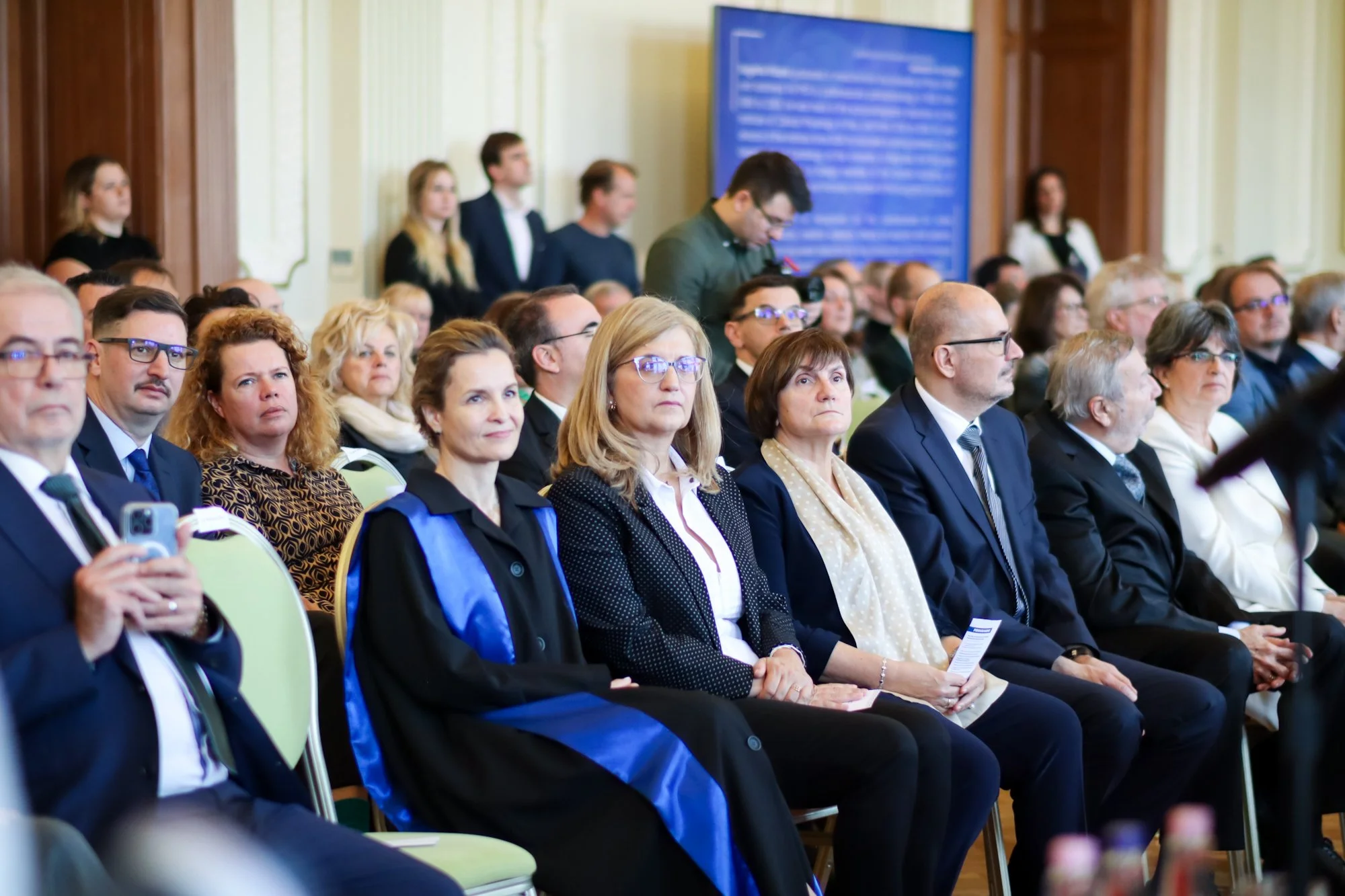
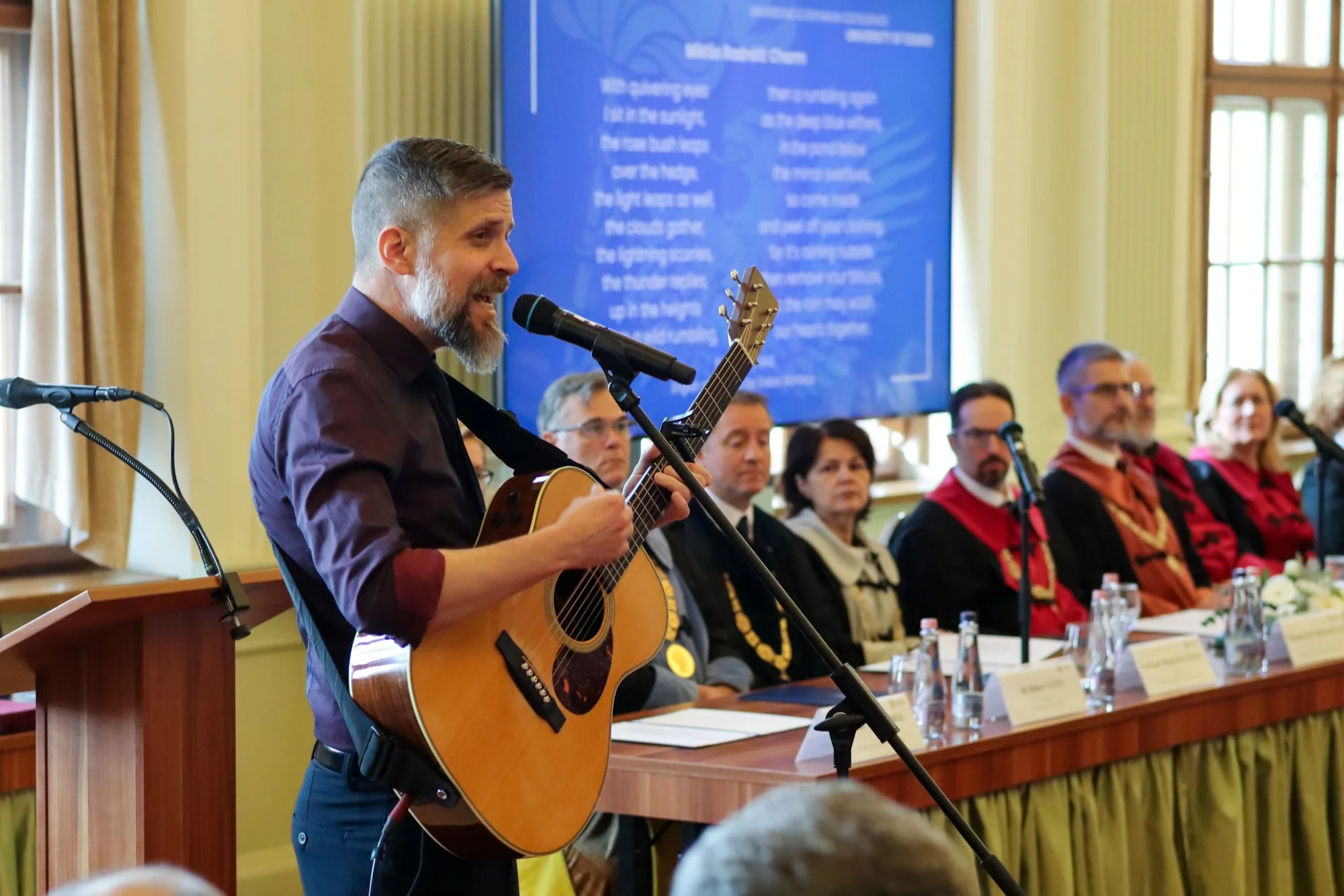
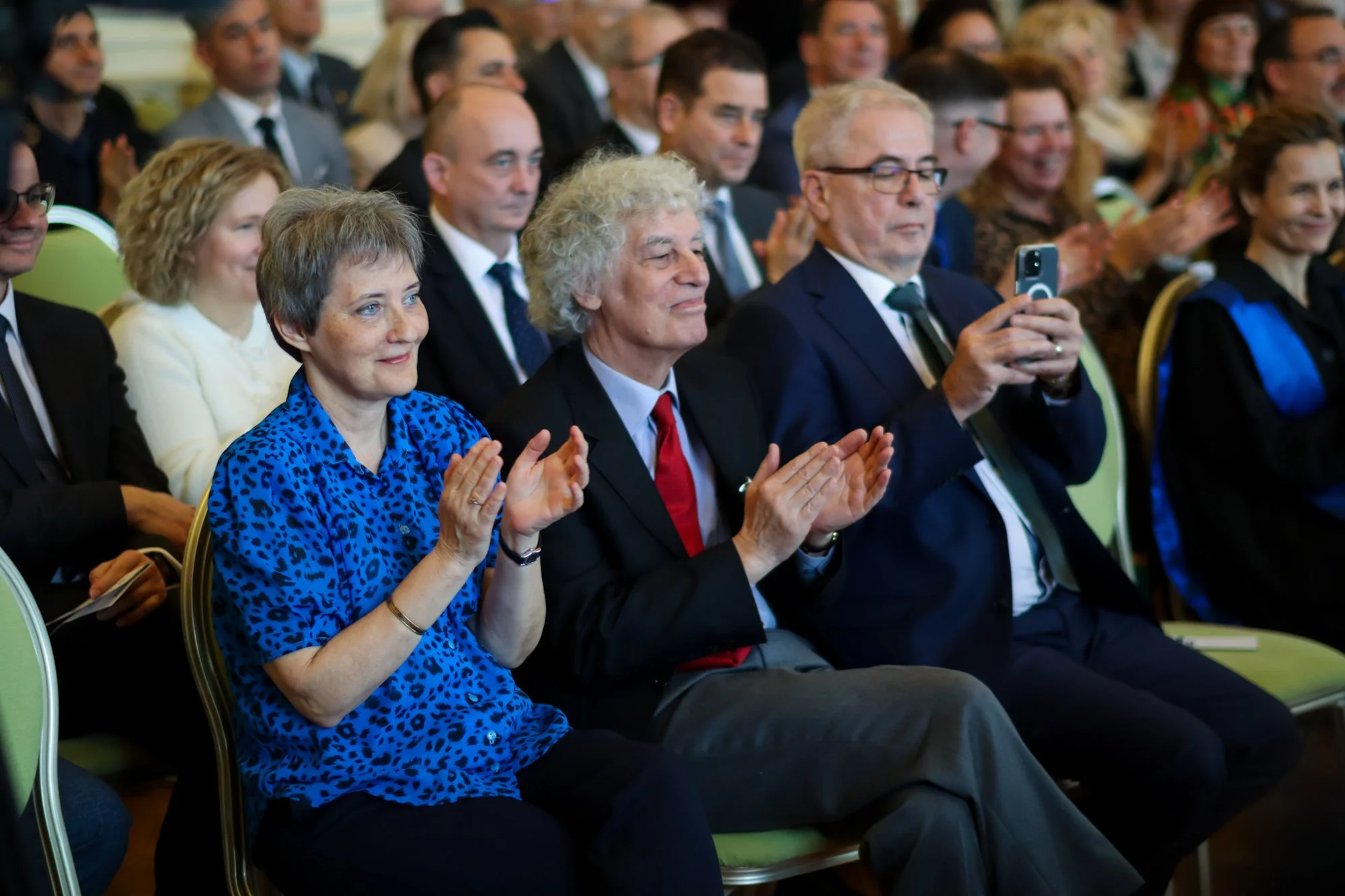
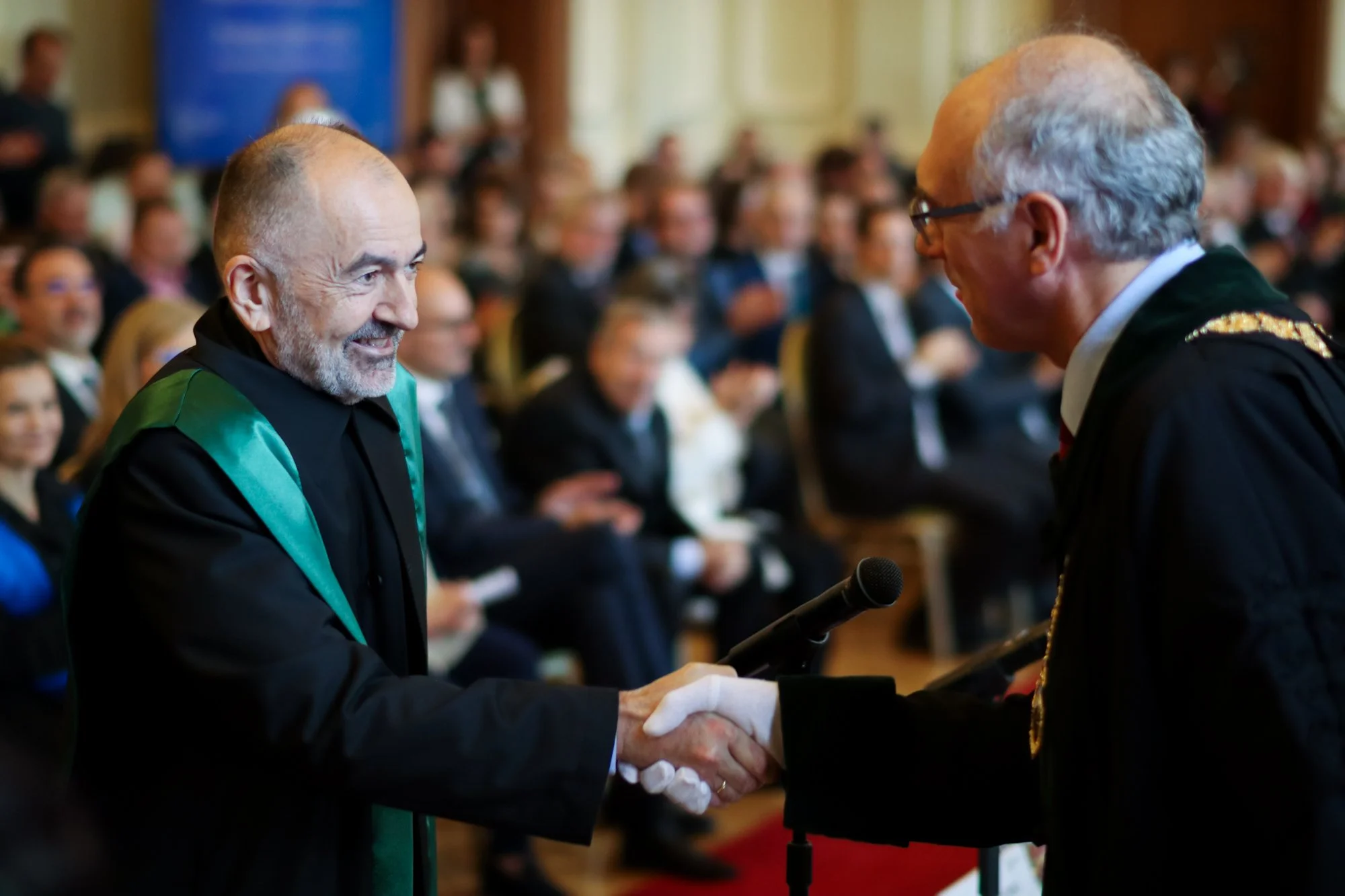
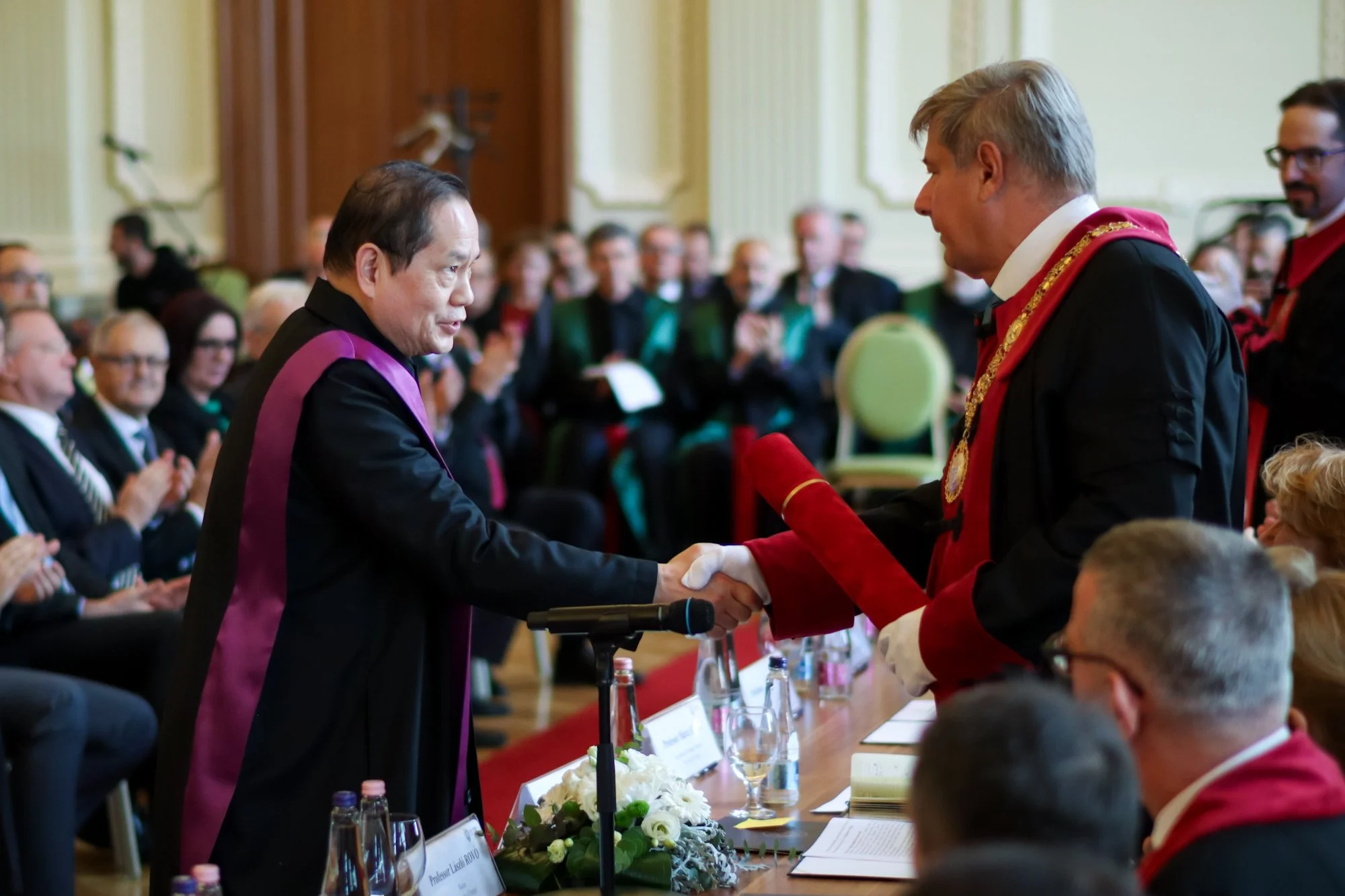
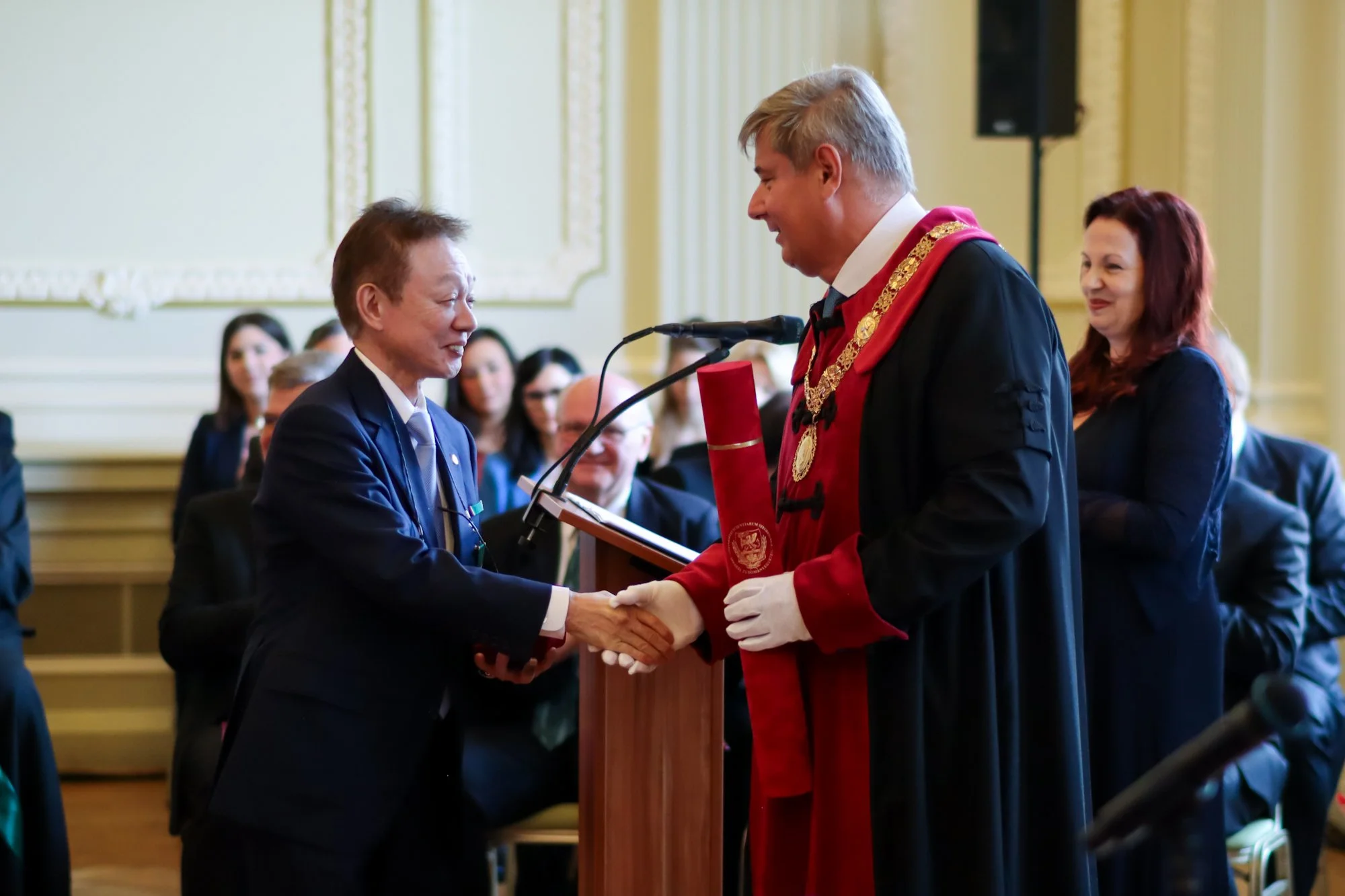
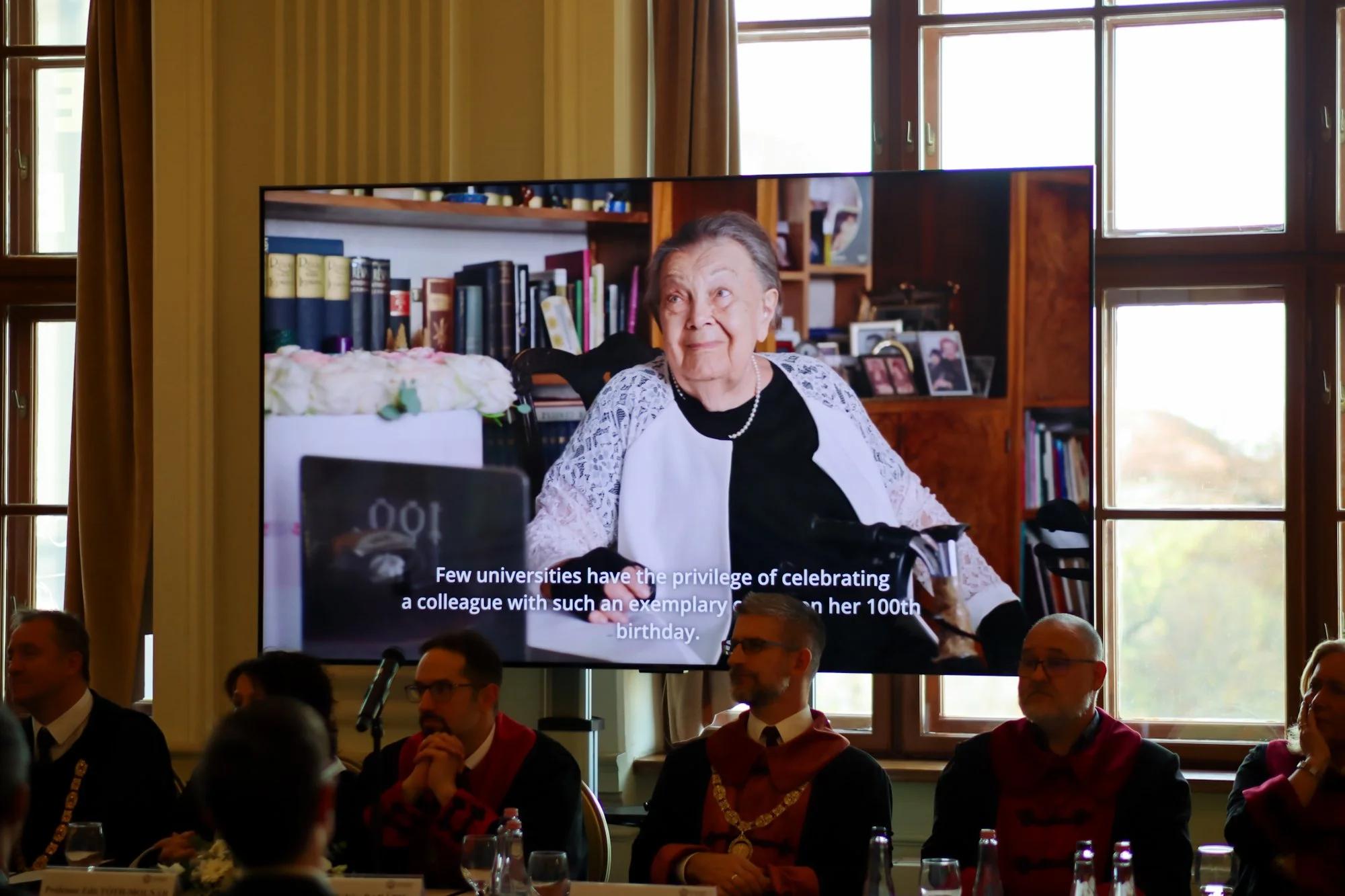
Photos: Szilvia Molnar / Szegedify
Honoring excellence
The ceremony also featured the university’s annual awards. New honorary doctorates were presented to Hungarian psychologist and linguist Csaba Pléh; Italian cardiologist Eugenio Picano; Romanian-Dutch immunologist Mihai G. Netea; Taiwanese-American dental professor Hom-Lay Wang; and chemist Róbert Vajtai of Rice University, an SZTE alumnus.
The Csengery János Memorial Medal was awarded to Tamás Freund, president of the Hungarian Academy of Sciences.
The 2025 Pro Universitate Awards recognized individuals who have significantly strengthened the university’s reputation, including Hideya Ishikura, former president of the Foundation of Hungarian Medical Universities.
A short commemorative film, shot on her 100th birthday, honored the late Professor Ilona Béládi, internationally recognized virologist and interferon researcher who was the first woman to head a department at SZTE. Performances by singer Balázs Szabó and pianist Sándor Czingel highlighted the ceremony, followed by a standing reception after the presentation of all 32 awards.
A new tradition begins: The first JATE Award Gala
Saturday evening saw a historic first for the university: the inaugural JATE Award Gala, founded by Nobel laureate Katalin Karikó. A former student of József Attila University (JATE) – SZTE’s legal predecessor – Karikó donated the replica of her Nobel Prize in Physiology or Medicine and more than 500,000 dollars in prize money to her alma mater in 2023. The JATE Award was created from this donation to honor the legacy of the former university and to recognize excellence across the SZTE community.
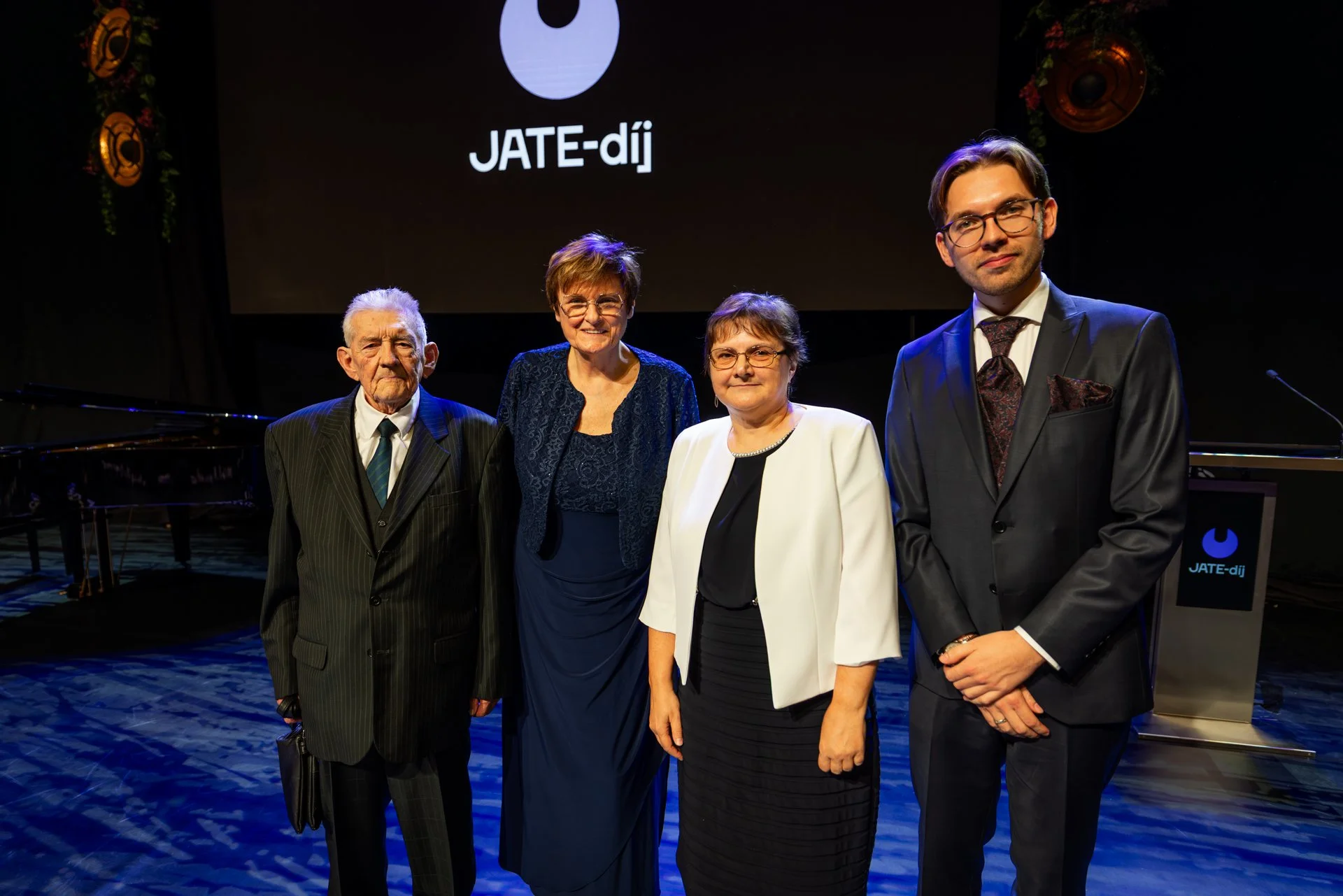
Photo: István Sahin-Tóth / University of Szeged
Karikó told the audience she has always been proud to have studied at JATE. For those who attended the university between the 1960s and 1990s, she said, it was more than just a school – it shaped their shared fate and way of life. She added that she often meets JATE alumni around the world, and their shared background creates instant trust. In recent years, she has celebrated with former classmates and peers in cities across the globe. Professor Karikó highlighted that several Hungarian ambassadors, the country’s president, and László Krasznahorkai, the recipient of the 2025 Nobel Prize in Literature, all studied at JATE.
Three categories, three honorees
Rector Rovó noted that the JATE Award blends tradition and innovation: its name honors the past, while its community-driven nomination process brings a new, inclusive structure. The award covers three categories representing the full university community – students, faculty and alumni.
The winner of this year’s student category is Márton Simon Czikkely, an SZTE-trained medical doctor and current PhD student researching bacterial genome engineering and antibiotic resistance. He has ten publications in leading journals and is active in science communication.
Chemistry professor Ágota Tóth, head of the Department of Physical Chemistry and Materials Science received the 2025 JATE Award in the faculty category. A leading researcher in nonlinear chemical dynamics, she has co-authored 117 internationally indexed papers with more than 2,100 citations and has won the university’s Golden Chalk teaching award three times.
The JATE Award in the alumni category has been awarded to literary historian Mihály Ilia, often described as a “one-man institution” in Szeged. Connected to the university since 1953, he has authored major studies on the Nyugat publication’s first generation and on poets Gyula Juhász and Endre Ady, while his empathetic literary criticism and long editorial career – including his legendary tenure at Tiszatáj – have left a lasting mark on Hungarian literature.
Each honoree received a certificate, a symbolic statuette representing the spirit of the award and a 5,000-dollar cash prize.
A day that showcased heritage and ambition
Together, the two events presented a compelling portrait of the University of Szeged’s identity: a deep respect for its past, a celebration of its present-day excellence and a confident vision for the future. From honoring legends of Hungarian scholarship to launching a new award founded by one of the university’s most celebrated alumni, the day highlighted the institution’s growing international profile – and its enduring role as a center of scientific and cultural life in Central Europe.
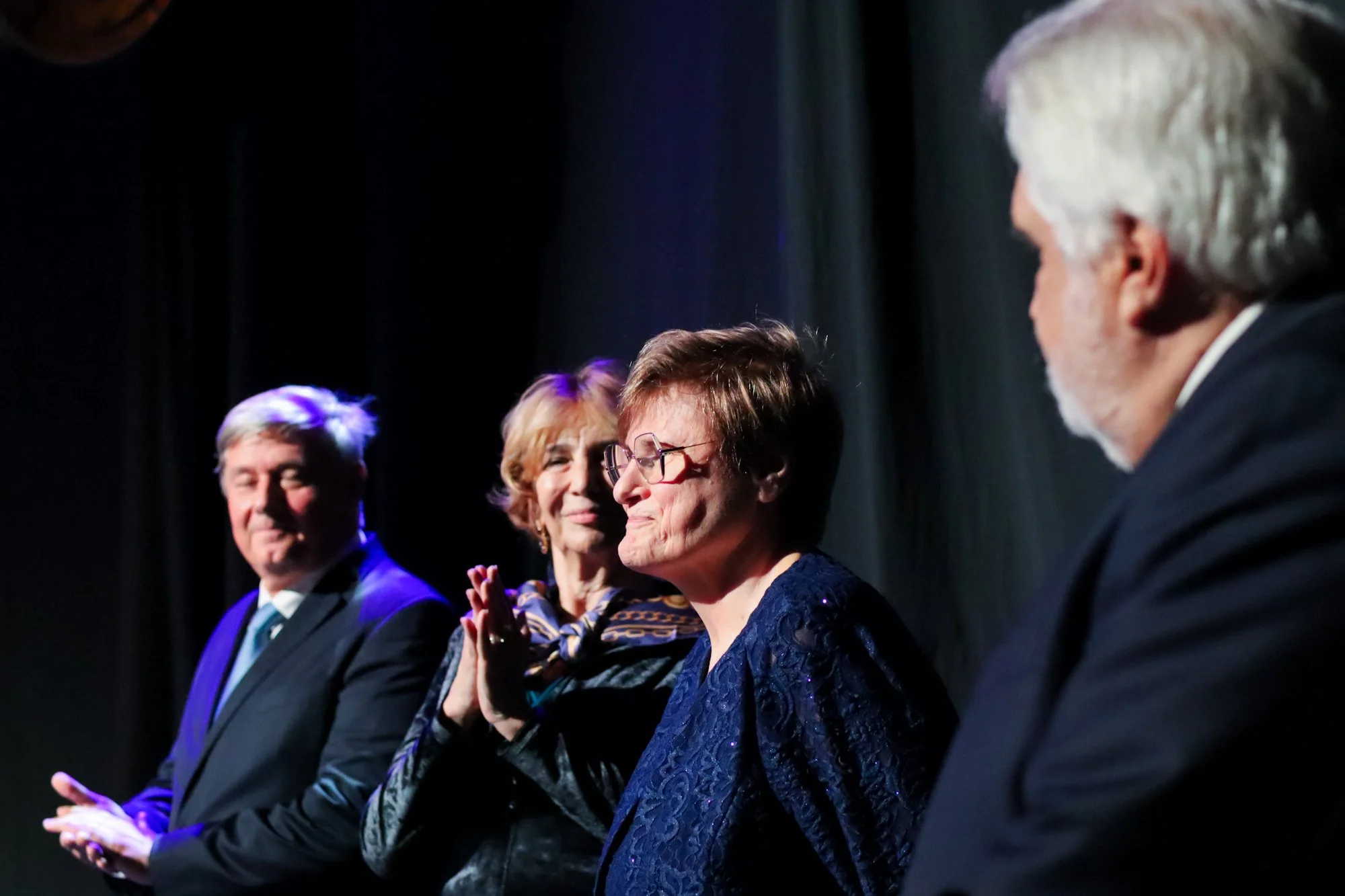
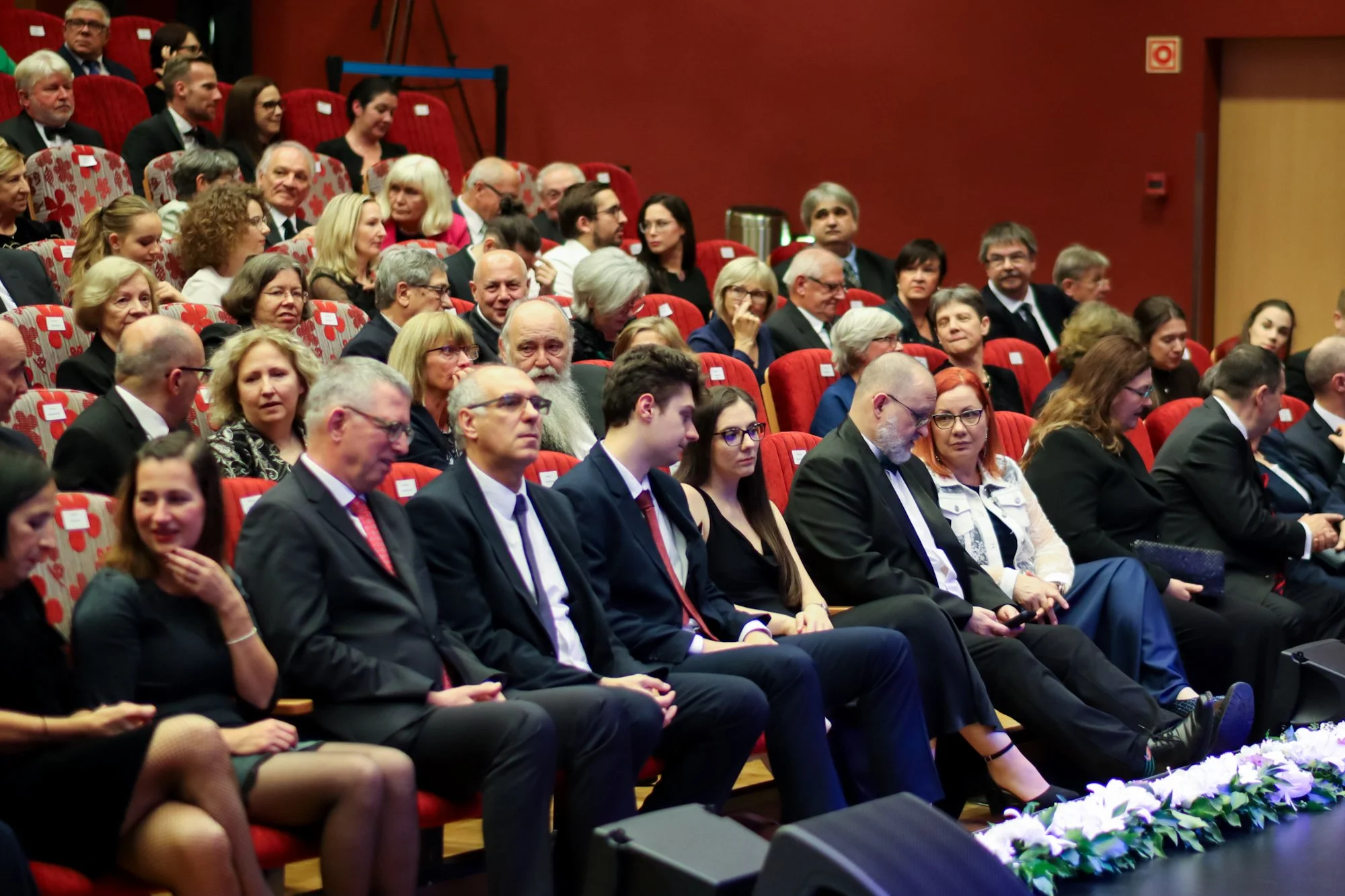
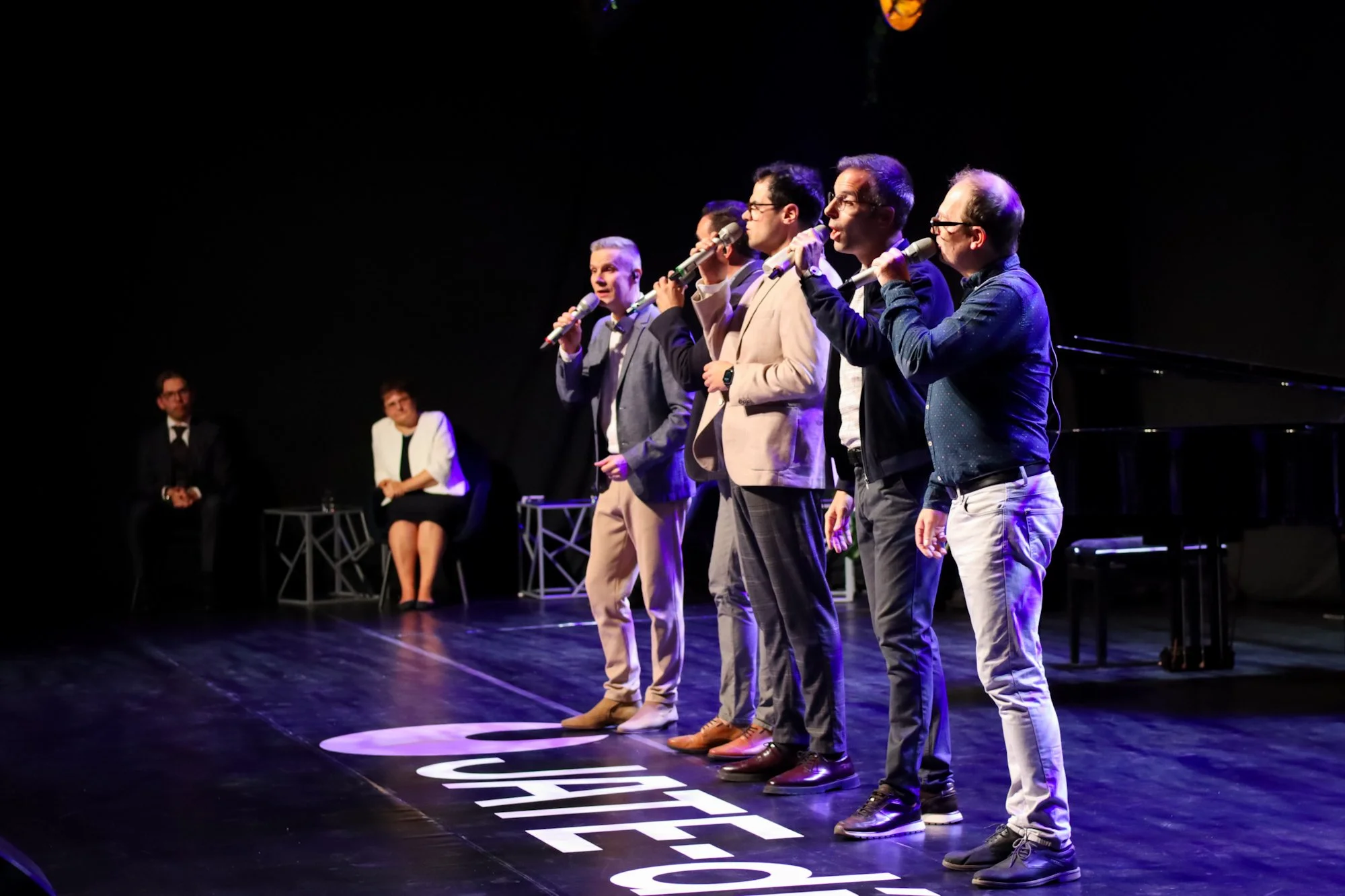
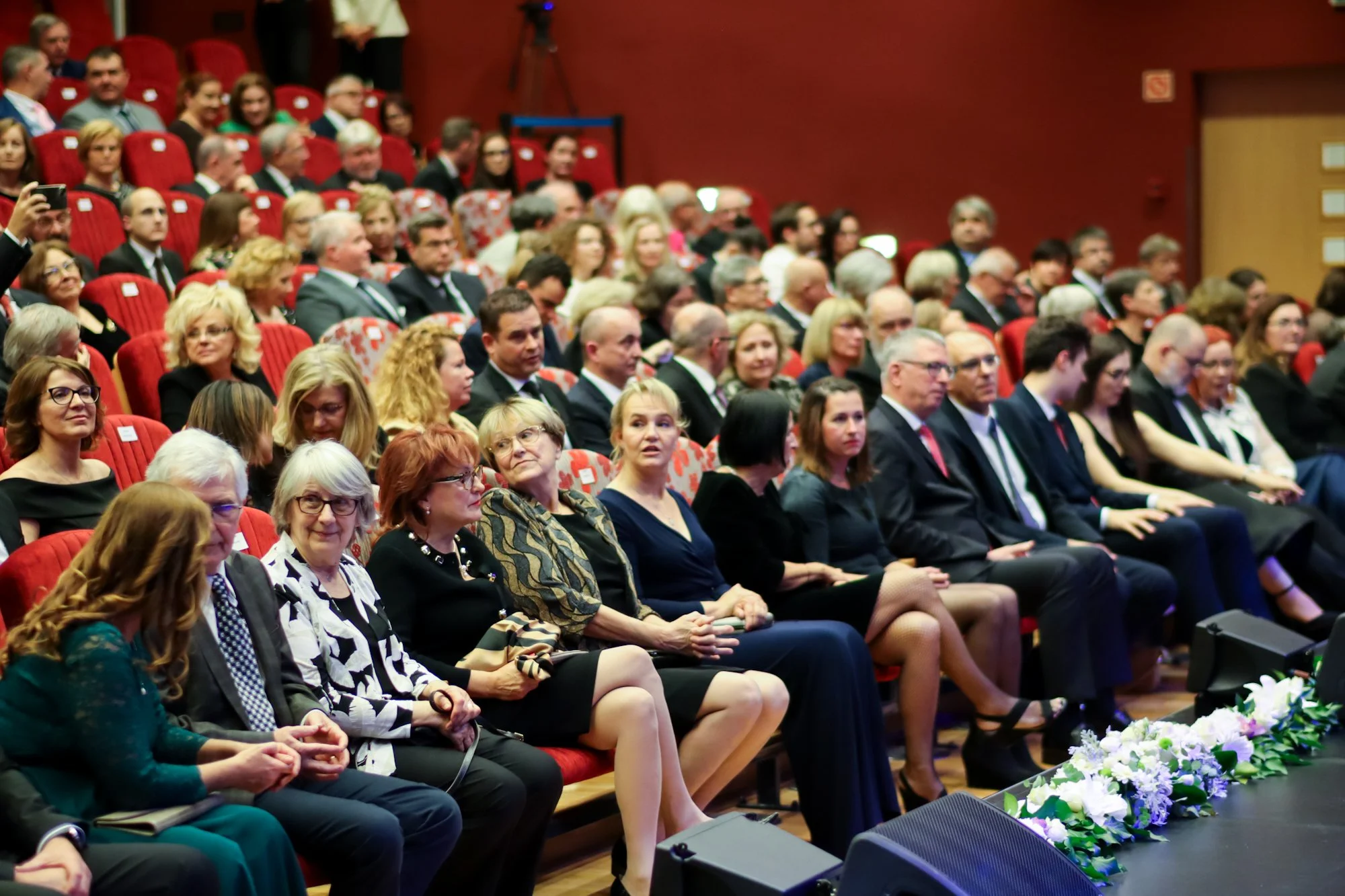
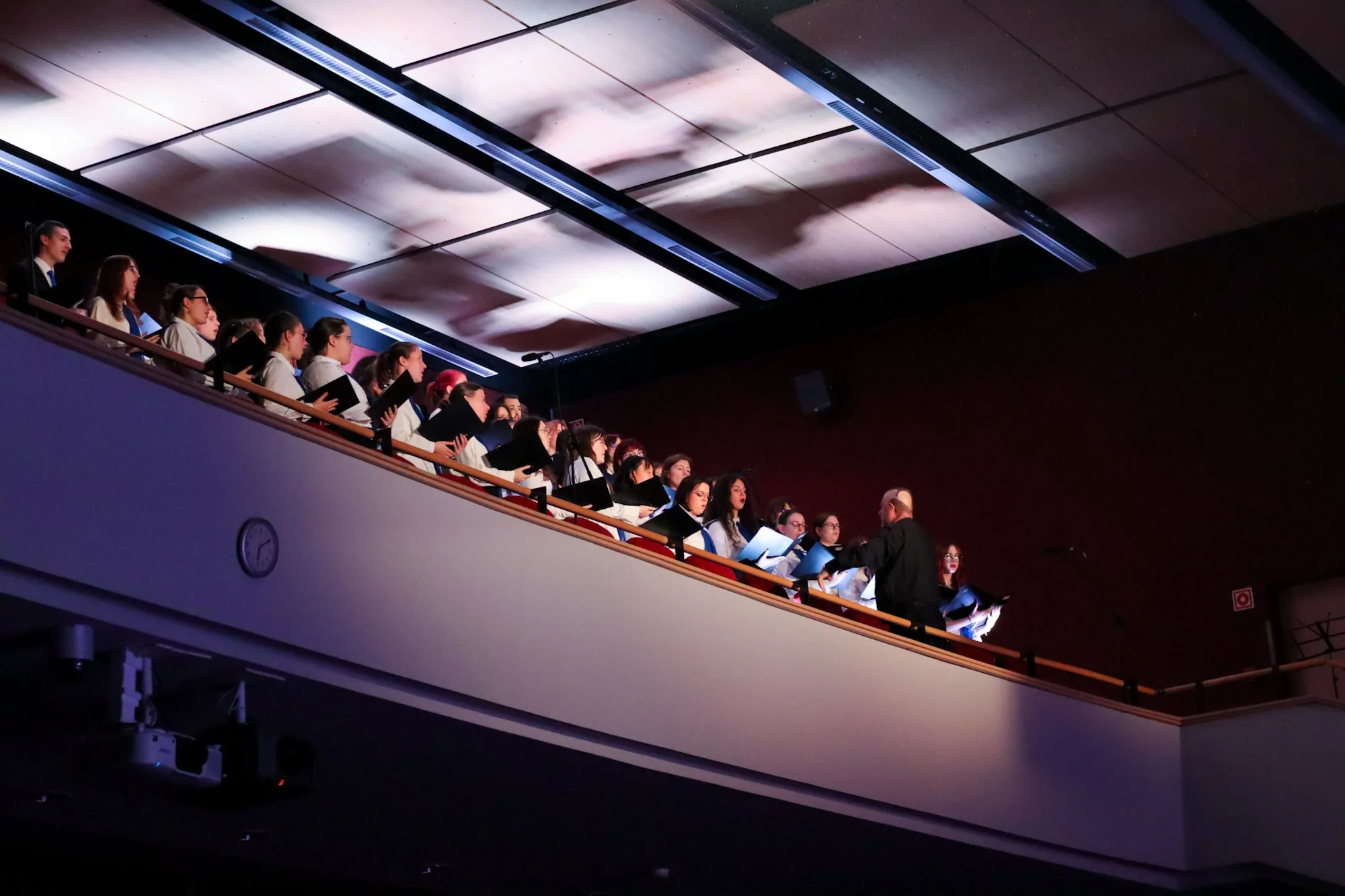
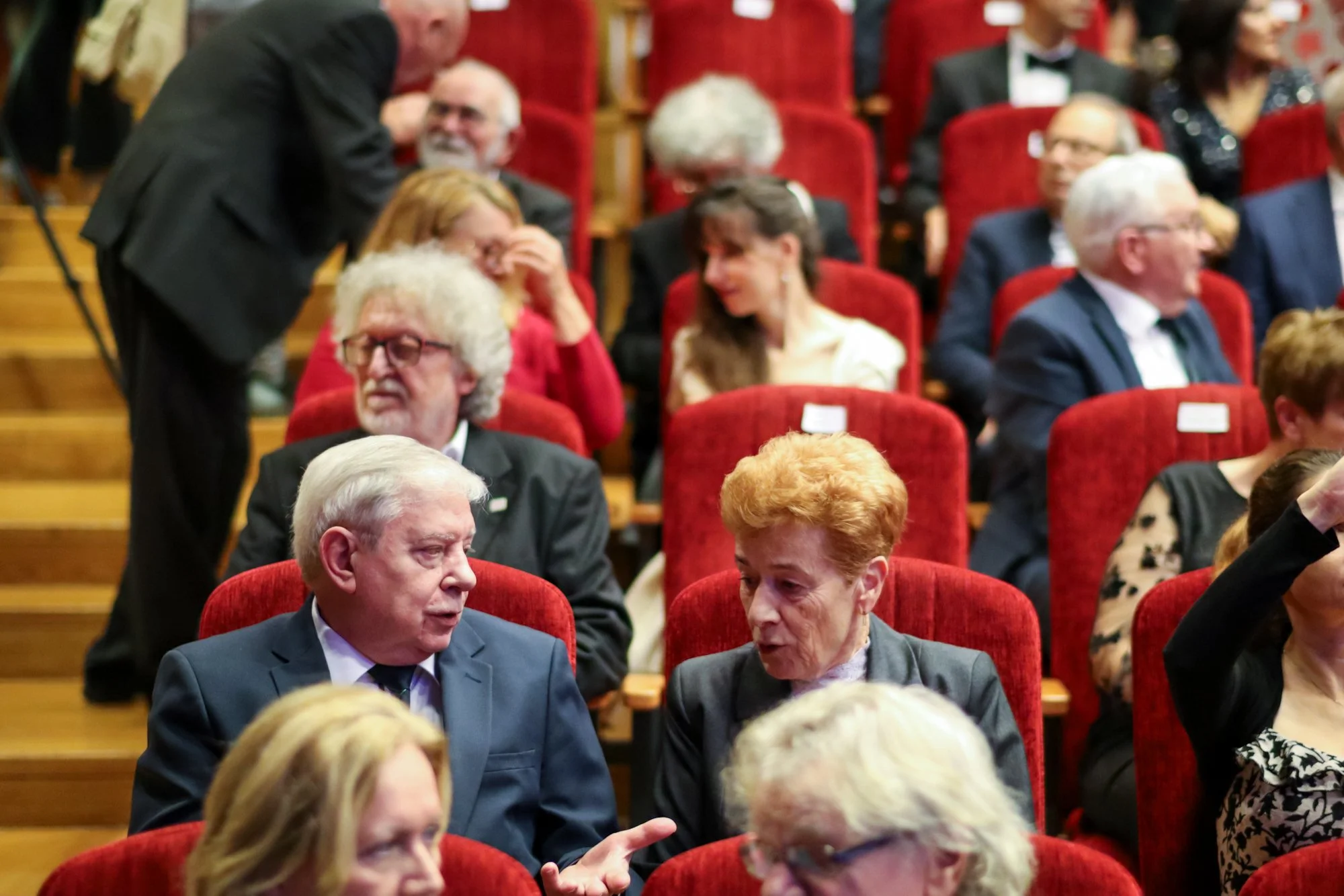
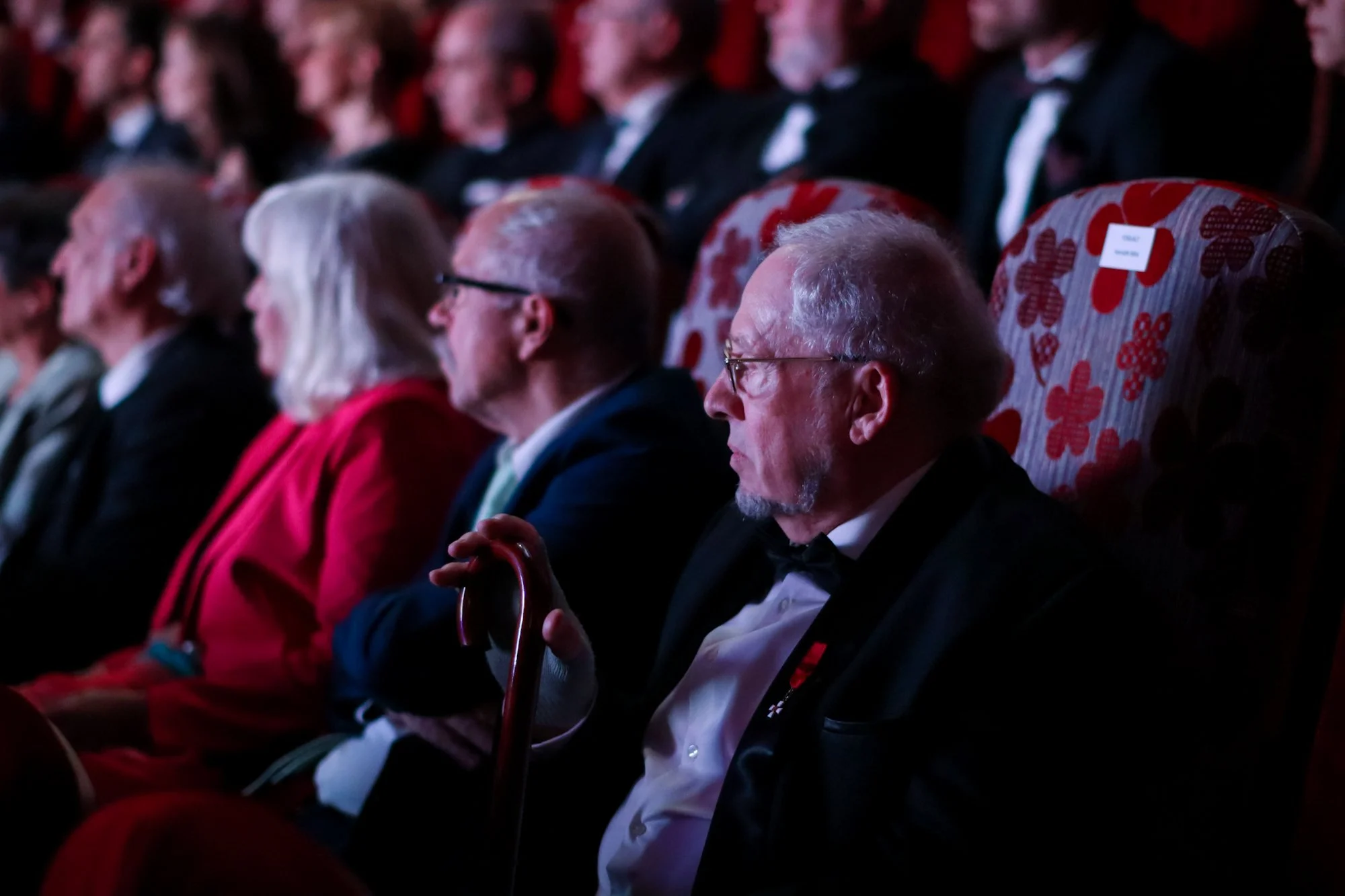
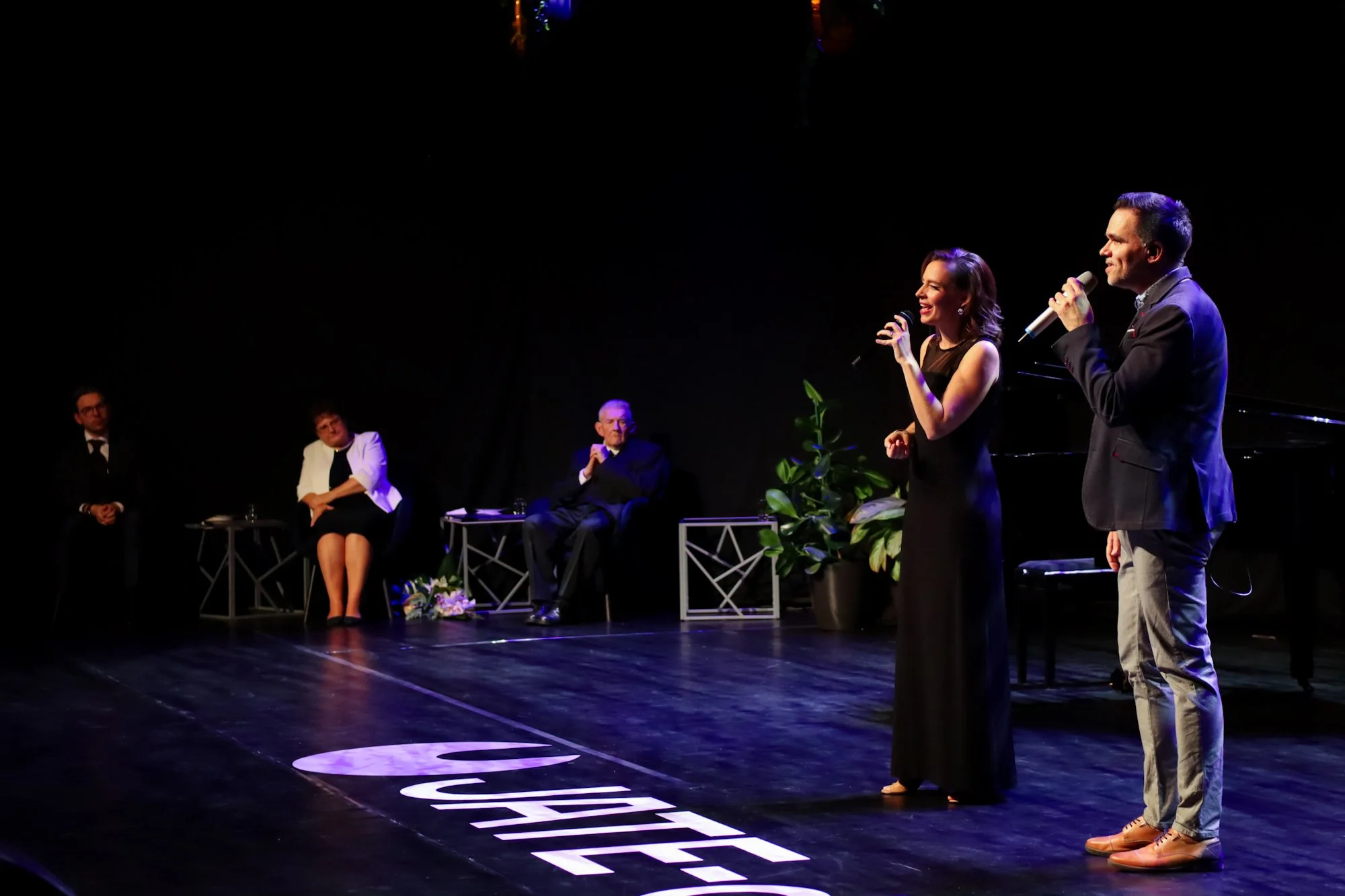
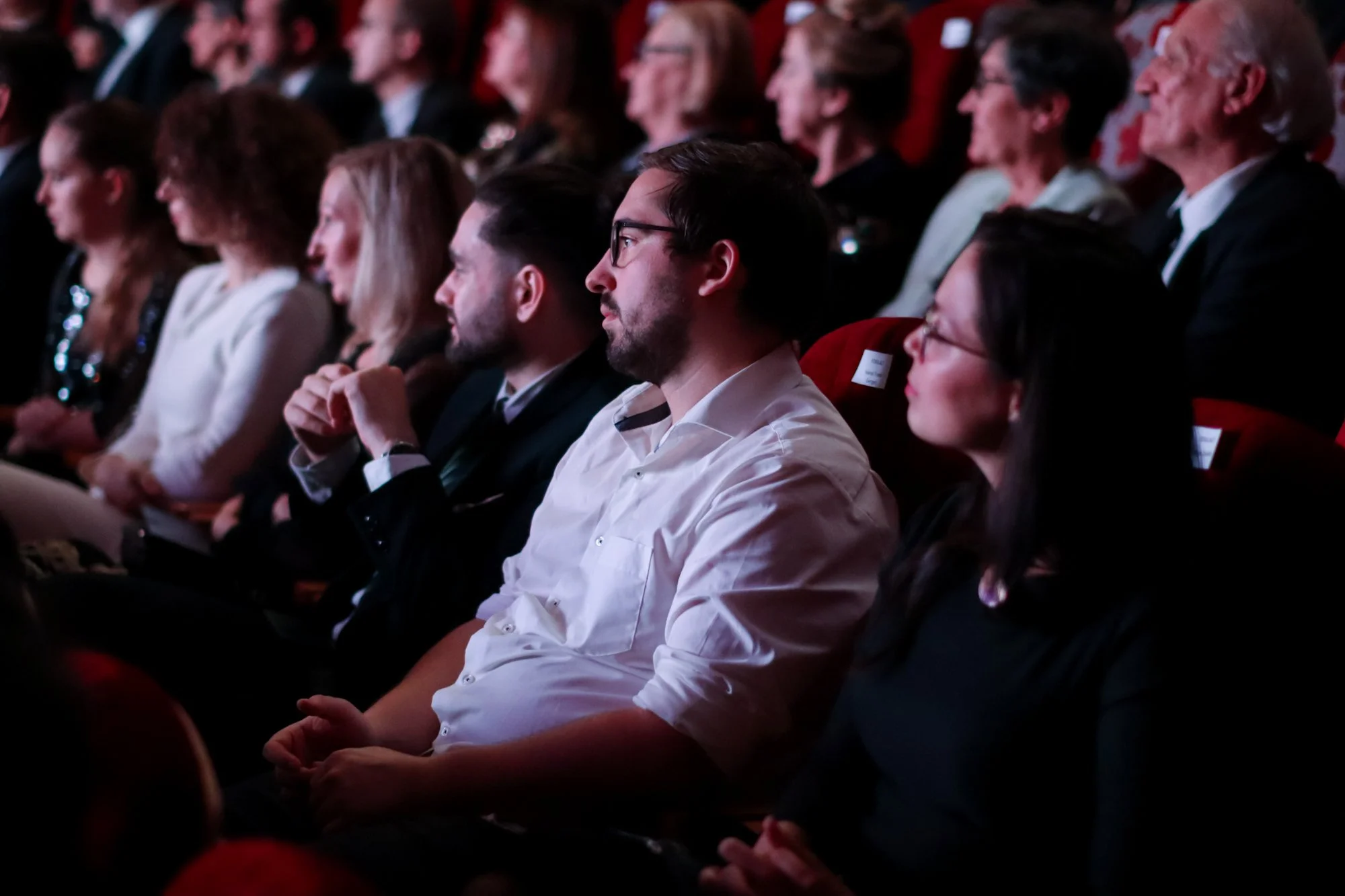
Photos: Szilvia Molnar / Szegedify
